
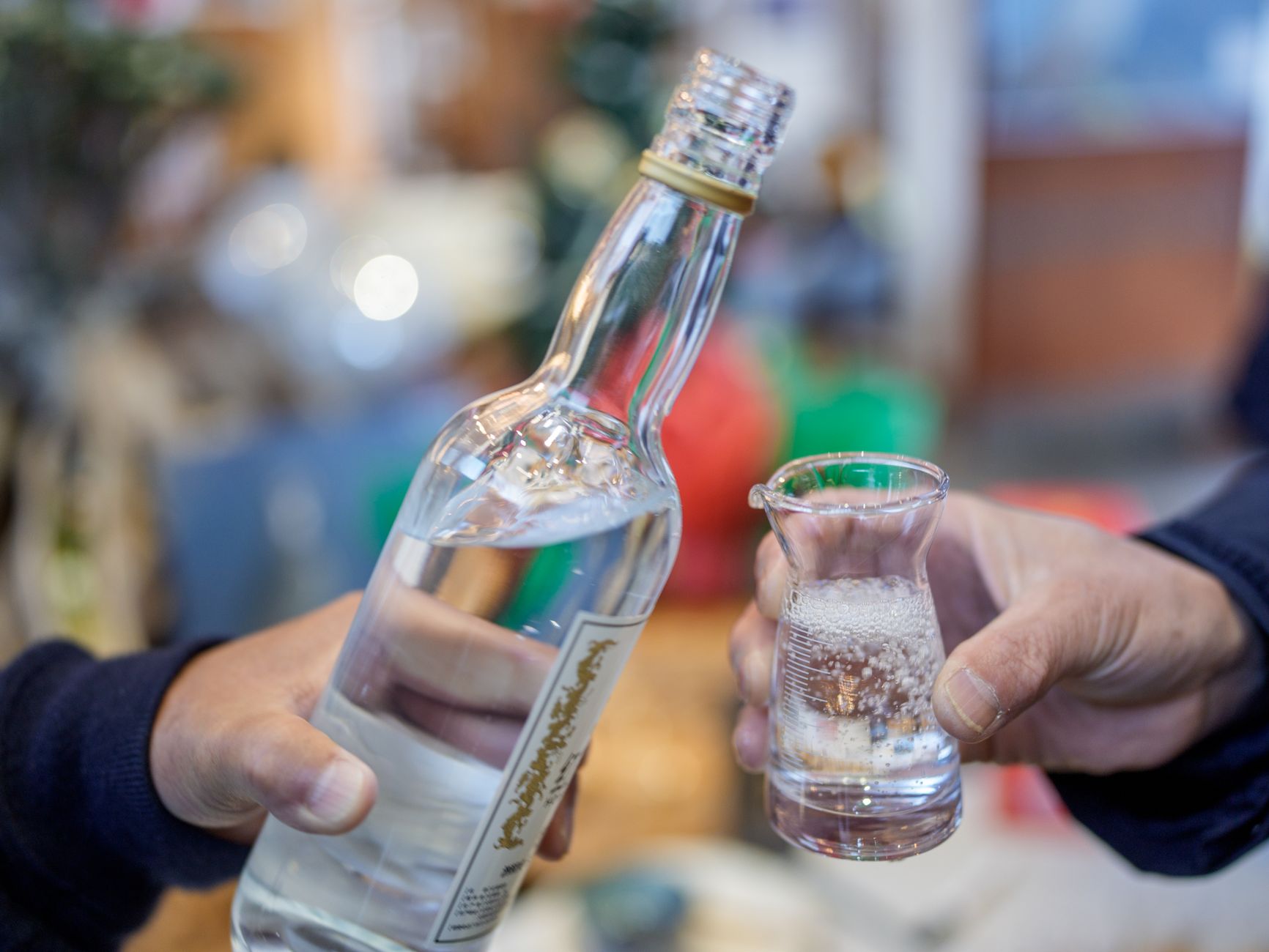
Sake, pronounced as “sa-ke” in Japanese, is a traditional Japanese alcoholic beverage made from fermented rice. With a unique production method, it offers a range of flavors and aromas that make it distinct. Sake is often enjoyed both warm and chilled and has become popular worldwide, serving as a staple in Japanese cuisine.
This article delves into the taste, texture, and various culinary uses of sake, providing insights that enhance your appreciation for this cherished drink.
What Is Sake in Japanese?
Sake is a fermented beverage made primarily from three essential ingredients: rice, water, and koji mold. In Japanese, it is often referred to as “nihonshu,” which translates to “Japanese alcohol.” The term “sake” can also be used more broadly to refer to any alcoholic drink in Japan, but in the context of this article, we focus specifically on nihonshu.
The Taste of Sake
Sake is celebrated for its diverse flavor profile, greatly influenced by factors such as rice variety, water quality, and brewing methods. The primary tasting notes can include flavors ranging from sweet to dry, fruity to earthy, and subtle to robust. The tasting experience can be broken down into a few key components:
Flavor Profiles
- Fruity: Notes of melon, banana, and apple are common, especially in unfiltered sake.
- Floral: Some varieties may exhibit delicate aromas reminiscent of flowers.
- Earthy: A more robust sake may have nutty or rice-like flavors.
- Umami: Well-crafted sake often displays an umami character, enhancing its overall complexity.
Sweetness and Dryness
Sake is also categorized by its sweetness levels, which are measured in terms of Sake Meter Value (SMV). A negative SMV indicates a sweeter sake, while a positive SMV indicates dryness. This metric helps consumers choose a sake that aligns with their taste preferences.
Texture of Sake
The texture of sake can vary significantly, ranging from light and smooth to rich and creamy. The mouthfeel is influenced by the brewing process and the particular strain of rice used. Clarified sake is typically lighter, while unfiltered varieties, like nigori sake, are thicker and cloudier.
The Brewing Process of Sake
Understanding how sake is made helps demystify its characteristics and flavors. The brewing process involves several steps:
Ingredients
- Rice: The primary ingredient, with specific varieties such as Junmai or Yamadanishiki being popular.
- Water: High-quality water is crucial, and many breweries source it from pristine locations.
- Koji mold: This is used to convert starches in rice into sugars, initiating fermentation.
- Yeast: Fermentation occurs through yeast, which converts sugars into alcohol.
The Brewing Steps
- Rice Polishing: Rice grains are polished to remove the outer layers, influencing flavor and quality.
- Washing and Soaking: The polished rice is washed and soaked to achieve the correct moisture content.
- Steaming: The soaked rice is steamed until perfectly gelatinized.
- Koji Cultivation: Steamed rice is inoculated with koji mold and allowed to ferment into koji.
- Fermentation: Yeast is added to the koji and steamed rice mixture, culminating in a two- or three-step fermentation process.
- Pressing: The fermented mash is pressed to separate liquid sake from solid remains.
- Filtration and Pasteurization: The sake is filtered, and some varieties are pasteurized to improve shelf stability.
- Aging: Sake is often aged for a period to refine the flavors before bottling.
Culinary Uses of Sake
Beyond being a popular drink, sake has various culinary applications. Its unique flavors enhance numerous dishes, making it a versatile ingredient in the kitchen.
Cooking with Sake
Sake is often used in Japanese cuisine to add depth and flavor to various dishes. Here are some common culinary uses:
- Marinades: Use sake in marinades for fish, chicken, or tofu to tenderize and enhance flavor.
- Soups and Stews: Add sake to broths or stews for a depth of flavor and umami.
- Sauces: Incorporate sake into soy sauce or glaze for a rich taste.
- Cooks’ Secret: It can be used to mask or reduce unwanted odors in seafood dishes.
Pairing Sake with Food
Choosing the right sake to pair with different foods can elevate both the beverage and the meal. Here are some pairing suggestions:
- Sushi and Sashimi: Choose a clean, crisp sake like Junmai Ginjo to complement delicate fish flavors.
- Grilled Meats: A richer sake, such as Junmai Daiginjo, pairs beautifully with grilled meats.
- Spicy Dishes: Opt for a sweeter sake to balance spiciness, such as Nigori sake.
- Cheeses: Creamy cheeses can be complemented by a fruity sake.
Creating Sake Cocktails
Sake can be blended into cocktails, offering a unique twist to traditional drinks. Here are a couple of ideas:
- Sake Martini: Mix sake with gin or vodka and garnish with cucumber for a refreshing twist.
- Sake Mojito: Combine sake with muddled mint, lime juice, and soda water for an Asian-inspired mojito.
Types of Sake
Sake is categorized into various types based on factors such as rice polishing, brewing method, and flavor profile. Understanding these distinctions can aid in selecting the proper sake for your palate or dish.
Common Varieties
- Junmai: Pure rice sake with no added alcohol, known for its full-bodied flavor.
- Ginjo: Made from rice polished to at least 60%, offering fruity and floral notes.
- Daiginjo: Even more polished (50% or less), resulting in elegant flavors and aromas.
- Nigori: Unfiltered sake with a cloudy appearance and a creamy texture.
- Futsushu: Regular sake that’s often inexpensive; good for cooking and casual drinking.
Choosing and Storing Sake
Selecting the right sake can significantly enhance your drinking experience. Consider these tips when choosing and storing sake:
How to Choose Sake
- Know your taste: Do you prefer sweet or dry? Understand the SMV to guide your choice.
- Check the label: Look for details about the type and rice polishing ratio.
- Visit a specialty store: Explore a curated selection at a wine or sake shop, where knowledgeable staff can offer recommendations.
Storage Tips
Proper storage of sake preserves its quality and flavor:
- Keep it cool: Store unopened sake in a cool, dark place, ideally between 5-15°C (41-59°F).
- Avoid light exposure: Keep sake away from sunlight and fluorescent lighting.
- Seal it tight: Once opened, refrigerate and consume it within a week for optimal flavor.
Common Mistakes and Troubleshooting
Sake can be intimidating for newcomers, so here are some tips to avoid common mistakes:
Misconceptions
- Temperature: Many believe that sake should always be served warm, but not all varieties benefit from heat. Familiarize yourself with temperature recommendations.
- Pouring: Do not fill the cup to the brim. Pouring sake into a glass should be done gently and to about 70-80% fullness.
Troubleshooting Tips
If your sake experience isn’t as expected, consider the following:
- Taste: If the flavor is off, check the freshness and storage conditions.
- Aroma: If it smells unpleasant, the sake may be spoiling. Check the shelf life and packaging.
Conclusion
Sake is a multifaceted beverage that plays a significant role in Japanese culture and cuisine. With its diverse flavors, potential culinary applications, and cultural significance, exploring sake opens up a world of enjoyment. Remember to choose thoughtfully, store correctly, and enjoy the rich experience that sake has to offer.
Discover additional flavors and techniques by exploring related content such as what molasses is made from or how soy sauce is made.