
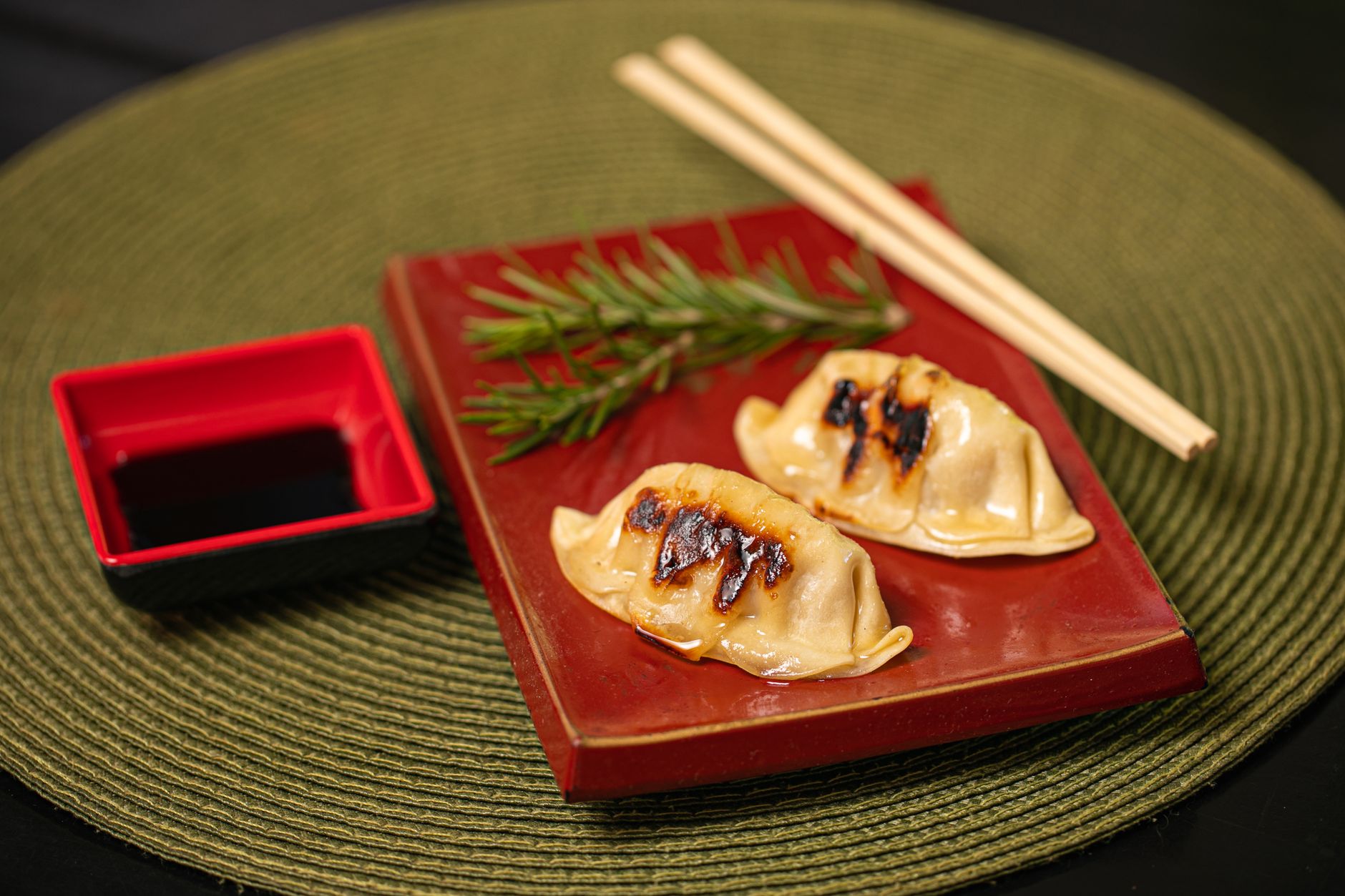
Tamari soy sauce is a traditional Japanese condiment closely related to regular soy sauce but with some distinct differences. Renowned for its rich, umami flavor, tamari is often favored by those who seek a gluten-free alternative to standard soy sauce.
This article explores what tamari soy sauce is, its taste and texture, its culinary applications, and how to use it in your kitchen.
What Is Tamari Soy Sauce?
Tamari soy sauce is a fermented condiment made from soybeans, and it typically contains little to no wheat, making it a popular choice for those with gluten sensitivities. It originates from Japan, where it has been produced for centuries as a by-product of miso paste fermentation.
Unlike regular soy sauce, which is usually made with a combination of soybeans, wheat, water, and salt, tamari is primarily derived from soybeans, offering a richer flavor profile. The absence or minimal presence of wheat gives tamari a slightly thicker consistency compared to its counterparts.
Taste and Texture of Tamari Soy Sauce
The taste of tamari soy sauce is complex and robust, often characterized by a deeper umami flavor. It provides a savory profile with a hint of sweetness and a subtle saltiness that enhances various dishes without overwhelming them.
In terms of texture, tamari soy sauce is generally thicker than regular soy sauce, thanks to its higher soy protein content. This makes it an excellent addition to marinades and dips, allowing for better adherence to food.
Flavor Comparison
When comparing tamari to traditional soy sauce, you’ll notice that tamari is less sharp and more mellow, which can make it a better choice for delicate dishes. For those seeking gluten-free options, it’s an ideal substitute without sacrificing flavor.
Culinary Uses of Tamari Soy Sauce
Tamari soy sauce is highly versatile and can be used in various culinary applications, ranging from marinades to dressings. Here are some popular ways to incorporate tamari into your cooking:
- Marinades: Use tamari in place of soy sauce in marinades for meats, tofu, and vegetables. The umami depth it adds enhances grilled or roasted dishes.
- Stir-fries: Add tamari to stir-fried vegetables and proteins for a robust flavor boost, ideal for Asian-inspired dishes.
- Soups and Stews: Enhance the flavor of soups and stews with tamari, contributing to the overall depth and richness of your dish.
- Dipping Sauce: Combine tamari with ingredients like garlic, ginger, or sesame oil for a delicious dipping sauce for dumplings or sushi.
- Salad Dressings: Whisk tamari with olive oil, vinegar, and spices to create a savory salad dressing.
- Glazes: Use it as a glaze on grilled meats or vegetables to add a glossy finish and flavorful kick.
How to Use Tamari Soy Sauce in the Kitchen
Integrating tamari soy sauce into your cooking is straightforward. Here’s a step-by-step guide to effectively use it:
1. Choosing Quality Tamari
When purchasing tamari, look for products labeled “gluten-free” and with minimal additives. Some brands may include additional flavorings or preservatives that can affect the taste, so opt for those with a short ingredient list.
2. Storing Tamari
Store tamari soy sauce in a cool, dark place, preferably in the refrigerator after opening. This helps preserve its flavor and prevents spoilage. Unopened bottles can be shelf-stable.
3. Measuring and Substituting
When substituting tamari for regular soy sauce, you can generally use a 1:1 ratio. However, because tamari tends to have a stronger flavor, you may want to start with slightly less and adjust to taste.
4. Cooking Techniques
Incorporate tamari into your cooking early on, so its flavors meld with other ingredients. For marinades, allow proteins to marinate for at least 30 minutes to absorb the flavors effectively. When making sauces or dressings, whisk tamari with other liquids for even distribution.
Common Mistakes When Using Tamari Soy Sauce
While tamari is easy to use, a few common mistakes can diminish its flavor potential:
- Over-marinating: Marinating proteins in tamari for too long can lead to overly salty dishes. Stick to recommended marinating times.
- Ignoring Composition: Not all tamari is gluten-free. Always check the label if gluten is a concern.
- Underusing: Tamari can enhance flavors significantly; don’t be afraid to be generous with your application.
Substitutions and Alternatives
If tamari soy sauce is unavailable, here are some practical alternatives:
- Regular Soy Sauce: Use in equal quantities if gluten is not a concern. Expect a slightly different flavor and thinner consistency.
- Coconut Aminos: A gluten-free option derived from coconut sap that lends a similar sweet and savory flavor; use it in equal amounts.
- Homemade Soy Sauce Substitute: Combine equal parts of liquid aminos and water for a similar flavor profile.
Health Considerations
Although tamari is gluten-free, it’s still essential to enjoy it in moderation due to its sodium content. Here are a few health-related considerations to keep in mind:
- Low-Sodium Options: Some brands offer low-sodium tamari, which can be better for those monitoring their salt intake.
- Allergies: Those with soybean allergies should avoid tamari altogether.
- Dietary Concerns: Always check labels for additional ingredients or allergens, especially if you have dietary restrictions.
Delicious Recipes Featuring Tamari Soy Sauce
Here are a few simple recipes showcasing tamari soy sauce as a key ingredient:
Stir-Fried Vegetables with Tamari
This easy dish makes an excellent side or main course:
- Ingredients:
- 2 cups mixed vegetables (broccoli, bell peppers, carrots)
- 1 tablespoon olive oil
- 2 tablespoons tamari soy sauce
- 1 clove garlic, minced
- Optional: sesame seeds for garnish
- Heat olive oil in a skillet over medium-high heat.
- Add mixed vegetables and garlic, tossing occasionally for about 5 minutes.
- Pour tamari over the vegetables and stir for an additional 2 minutes.
- Serve garnished with sesame seeds if desired.
Tamari Marinade for Grilled Chicken
This marinade infuses a savory depth to grilled chicken:
- Ingredients:
- 1/4 cup tamari soy sauce
- 2 tablespoons honey
- 2 cloves garlic, minced
- 1 tablespoon grated ginger
- 4 chicken breasts
- In a bowl, whisk together tamari, honey, garlic, and ginger.
- Add chicken breasts to the marinade, ensuring they are fully coated. Cover and refrigerate for at least 30 minutes.
- Grill marinated chicken until cooked through, approximately 6-7 minutes per side.
Final Tips
To fully enjoy the benefits of tamari soy sauce, consider these final tips:
- Experiment: Use tamari in various cuisines, such as additions to Mediterranean or fusion dishes.
- Flavor Balancing: Combine tamari with acidic components like lime juice or vinegar to create well-rounded dishes.
- Homemade Variety: If you’re feeling adventurous, consider making your own tamari at home using basic fermentation techniques.
Tamari soy sauce is a flavorful and versatile ingredient that caters to a variety of diets. Its unique flavor can elevate many dishes while ensuring a gluten-free alternative is available for those who need it. Whether you’re grilling meats, stir-frying vegetables, or making dressings, tamari can play an essential role in your culinary arsenal.
Explore more about how soybean sauces are made or check out an eel sauce recipe for an interesting culinary adventure.