
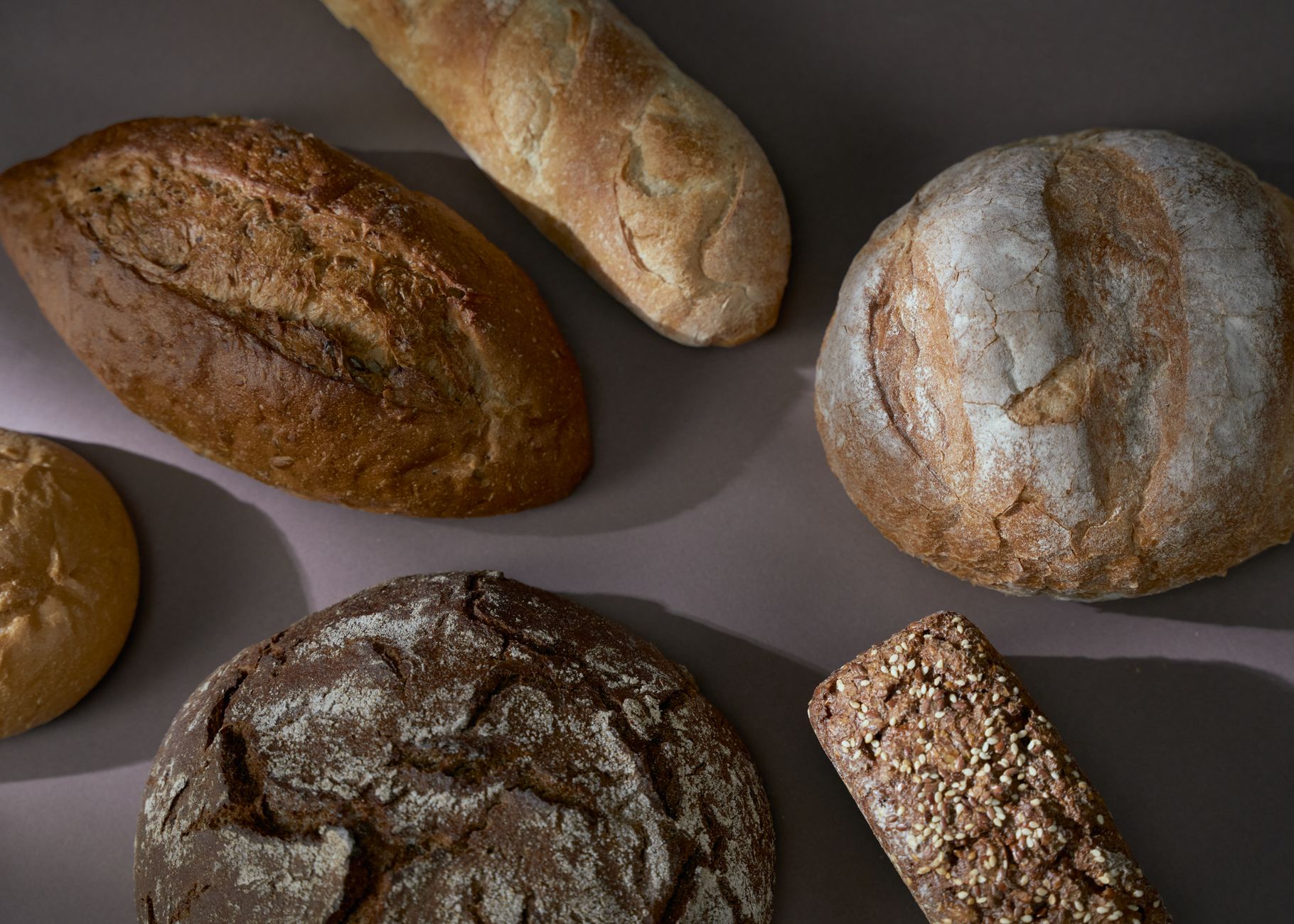
Spelt bread has gained popularity as a nutritious alternative to traditional wheat bread. Made from spelt, an ancient grain, this bread offers a unique flavor, numerous health benefits, and versatility in various recipes. It’s suitable for a range of dietary preferences and provides an excellent way to introduce whole grains into your diet.
This article explores what spelt bread is, its ingredients, flavor profile, and how to serve it effectively. Whether you’re a seasoned baker or simply curious about this whole grain, read on to discover everything you need to know about spelt bread.
What Is Spelt Bread?
Spelt bread is made from spelt flour, which is milled from the spelt grain (Triticum spelta). This ancient grain is a distant relative of common wheat but has distinct characteristics and nutritional benefits. Spelt bread is often praised for its nutty flavor, chewy texture, and its ability to retain moisture, making it a delightful addition to any meal.
The growing trend toward whole grain alternatives has led to increased interest in spelt and its products. Spelt offers a unique combination of flavors and health benefits that can enhance various culinary creations, making it a favorite among health-conscious consumers and bread enthusiasts alike.
Ingredients in Spelt Bread
The ingredients for spelt bread are straightforward. Below is a list of the basic components needed to make spelt bread at home:
- Spelt flour (whole or white)
- Water
- Yeast (active dry or fresh)
- Salt
- Optional sweeteners (such as honey or maple syrup)
- Optional fats (like olive oil or butter)
While the above list represents a basic spelt bread recipe, ingredients can be modified to suit different tastes and preferences. The type and proportion of flour, sweeteners, and fats contribute to the overall flavor and texture of the finished bread.
Types of Spelt Flour
It is worth noting that there are two major types of spelt flour: whole spelt flour and white spelt flour. Whole spelt flour retains the bran and germ of the grain, making it rich in nutrients and fiber. It provides a denser loaf and often has a slightly nuttier taste.
White spelt flour, on the other hand, is made from the inner part of the grain and has had the bran and germ removed. It has a lighter texture and milder flavor and can be used similarly to all-purpose flour in traditional bread recipes.
Flavor Profile of Spelt Bread
The flavor of spelt bread is one of its standout features. It has a mild, slightly sweet, and nutty taste, which distinguishes it from standard wheat breads. Many who try spelt bread appreciate its complexity and find that it complements a wide variety of toppings and spreads.
The texture of spelt bread can vary based on the type of flour used and how it is prepared. Whole spelt bread tends to be denser and chewier, while white spelt bread is lighter and has a softer crumb. The use of additional ingredients like honey or seeds can further enhance the flavor and create a unique taste experience.
How to Serve Spelt Bread
Spelt bread is incredibly versatile and can be served in numerous ways. Here are some popular serving suggestions:
- Sandwiches: Use spelt bread for sandwiches with your favorite fillings, from classic turkey and cheese to vegetarian options with hummus and roasted vegetables.
- Toppings: Spread with butter, nut butter, or preserves for a quick snack or breakfast option. The nutty flavor pairs well with honey or avocado.
- Toast: Toast slices of spelt bread for a crispy texture. Top with eggs, smoked salmon, or fresh tomatoes for a satisfying brunch.
- Soups and Salads: Serve alongside soups or salads, using spelt bread to soak up flavors and add a nutritious element to the meal.
- Bread-based Dishes: Use it as a base for bread puddings or savory strata for a hearty dish.
How to Make Spelt Bread
If you’re inspired to bake your own spelt bread, here’s a simple recipe to get you started. This recipe yields one loaf and requires about 2 hours and 30 minutes total, including preparation, rising, and baking time.
Ingredients:
- 3 cups whole spelt flour (or use half whole and half white spelt flour)
- 1 ½ cups warm water (about 110°F or 43°C)
- 2 teaspoons active dry yeast
- 1 tablespoon honey (or any sweetener of choice)
- 1 teaspoon salt
- 2 tablespoons olive oil (optional)
Essential Equipment:
- Mixing bowl
- Measuring cups and spoons
- Wooden spoon or dough whisk
- Loaf pan
- Kitchen towel
- Oven
Step-by-Step Instructions:
- In a mixing bowl, combine warm water, yeast, and honey. Let it sit for about 5-10 minutes until the mixture is frothy.
- Add in the whole spelt flour, salt, and olive oil (if using). Mix until a rough dough forms.
- Knead the dough on a floured surface for about 8-10 minutes until it becomes smooth and elastic. Add a little extra flour if the dough is too sticky.
- Place the kneaded dough into a greased bowl, cover it with a kitchen towel, and let it rise in a warm place for about 1 hour or until it has doubled in size.
- Once risen, punch down the dough to release air bubbles and shape it into a loaf. Place it in a greased loaf pan.
- Cover the loaf pan with a towel and let the dough rise again for about 30-45 minutes until it has risen to the top of the pan.
- Preheat your oven to 375°F (190°C). Bake the loaf for 30-35 minutes until the bread is golden brown and sounds hollow when tapped on the bottom.
- Remove from the oven and allow to cool in the pan for 10 minutes before transferring it to a wire rack to cool completely.
Practical Substitutions
There are several ways to customize your spelt bread recipe. Here are some common substitutions and their potential impact on the bread:
- Flour: While spelt flour provides the characteristic flavor, you can substitute half or all with whole wheat flour; just note that the texture and flavor will change slightly.
- Sweeteners: Honey, maple syrup, or agave can all be used interchangeably. The choice of sweetener can influence the flavor profile and color of the bread.
- Fats: Olive oil can be replaced with other vegetable oils or melted butter. Each fat type will impart its unique flavor to the bread.
Common Mistakes to Avoid
When baking spelt bread, avoid these common pitfalls that can lead to undesirable results:
- Over-kneading: Kneading too long can make the bread tough. Stop when the dough is smooth and elastic.
- Incorrect Yeast Activation: Ensure your water temperature is warm but not hot. Too hot can kill the yeast, while too cold can slow it down.
- Insufficient Rising: Allow the dough ample time to rise. Rushing this step can hinder texture and flavor development.
Storage of Spelt Bread
Proper storage is essential to maintain the quality of your spelt bread. Here’s how to store it:
- Keep the bread in a cool, dry place at room temperature for up to 3 days. Use a bread box or paper bag to maintain freshness.
- For longer storage, wrap the bread tightly in plastic wrap or aluminum foil and freeze it for up to 3 months. Thaw in the refrigerator or at room temperature.
Reheating Spelt Bread
If you’re enjoying leftover spelt bread, reheating it can help restore its texture and flavor. Here’s how:
- Oven: Preheat the oven to 350°F (175°C). Wrap the bread in foil to prevent drying and heat for about 10-15 minutes.
- Toaster: Toast slices directly in your toaster or toaster oven for a few minutes until warm and crispy.
Health Benefits of Spelt Bread
Spelt bread offers several health benefits, which contribute to its appeal as a bread choice:
- Dietary Fiber: Spelt is rich in dietary fiber, promoting digestive health and potentially aiding in weight management.
- Nutrients: It contains essential vitamins and minerals, including B vitamins, iron, magnesium, and zinc, supporting overall health.
- Easier to Digest: Many individuals find spelt bread easier to digest compared to regular wheat bread, partially due to its unique gluten structure.
Environmental Impact of Spelt
Spelt is considered more environmentally sustainable than modern wheat varieties. It requires less fertilizer and pesticide, making it a healthier option for both consumers and the environment. By choosing spelt products, consumers can support sustainable agriculture and promote biodiversity.
Conclusion
Spelt bread is a delicious and nutritious alternative to traditional wheat bread that brings both flavor and health benefits to the table. With its unique taste and texture, it serves a variety of uses, from sandwiches to toast. By following the tips and recipes provided, even novice bakers can create their own spelt bread at home.
Explore more on how to incorporate healthy grains into your meals with options like einkorn bread or classic honey wheat bread recipes to enrich your culinary repertoire.