
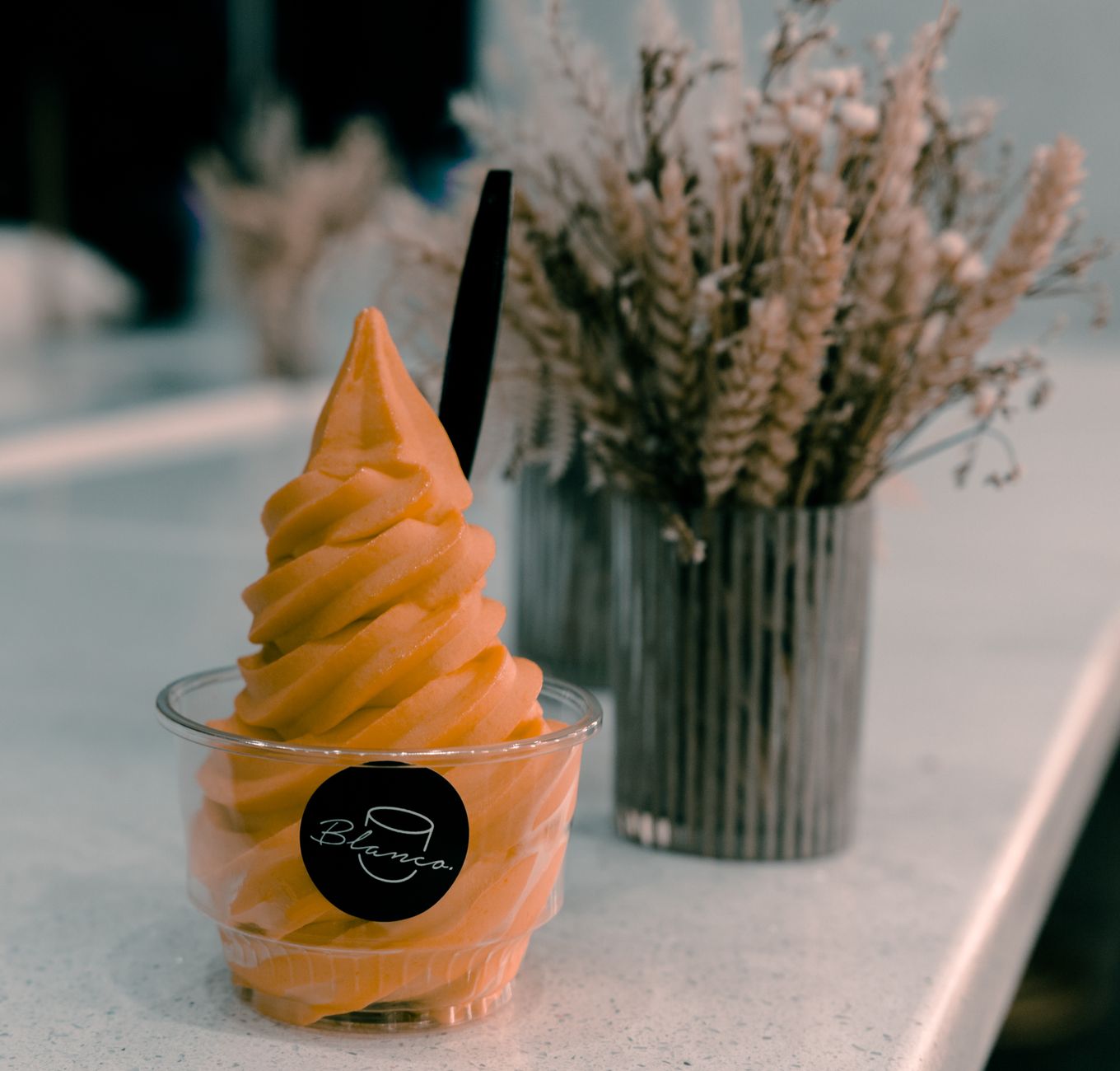
Soft serve ice cream is a beloved treat, known for its creamy texture and delightful flavors. Unlike traditional ice cream, which is churned and frozen more slowly, soft serve is served straight from a machine and has a lighter, airier consistency. This unique preparation method allows it to be dispensed easily and creates that signature swirl most people love.
The product’s charm lies not only in its texture but also in its versatility. It can be enjoyed plain, adorned with colorful sprinkles, or as part of elaborate sundaes. In this comprehensive guide, we’ll explore the ingredients, preparation, and various uses of soft serve ice cream, helping you understand and appreciate this fun dessert.
What Is Soft Serve Ice Cream?
Soft serve ice cream is a type of ice cream characterized by its smooth texture and lower-fat content compared to regular ice cream. It is made by combining cream, milk, sugar, and flavorings, which are then super-chilled and whipped to introduce air into the mixture. This process creates a lighter and fluffier dessert than traditional ice cream.
Ingredients of Soft Serve Ice Cream
Understanding the ingredients in soft serve ice cream is crucial to mastering its preparation. Here is a breakdown of the primary components:
- Milk and Cream: The base of soft serve usually contains a blend of whole milk and cream. The cream contributes richness and a smooth mouthfeel.
- Sugar: Granulated sugar sweetens the mixture. Some variations may use other sweeteners, but sugar is the most common.
- Stabilizers: Ingredients like guar gum or carrageenan are often added to improve texture and prevent ice crystals from forming.
- Flavorings: Common flavors include vanilla, chocolate, and strawberry, but you can use any flavoring, including fruit purees or extracts.
- Air: Unlike traditional ice cream, soft serve contains more air, which contributes to its light texture. This is known as overrun.
The Preparation Process
Making soft serve ice cream involves several key steps that require precise temperature control and the right equipment. Here’s a detailed look at how it’s typically prepared:
- Mixing the Base: Combine the milk, cream, sugar, and stabilizers in a large bowl or mixer until all ingredients are well integrated. This mixture is often called the ice cream base.
- Pasteurization: Heat the mixture to pasteurize it, typically between 165°F to 180°F (74°C to 82°C). This step helps kill off any harmful bacteria.
- Cooling: Rapidly cool the mixture to a temperature between 40°F to 45°F (4°C to 7°C) to prevent the growth of bacteria during the freezer process.
- Churning: Pour the cooled mixture into a soft serve machine. The machine churns the mixture while freezing it, incorporating air and creating that signature soft texture.
- Serving: Once the desired consistency is reached, serve the soft serve directly from the machine into cones or cups, topping with sprinkles or sauces if desired.
Delicious Variations of Soft Serve Ice Cream
Soft serve ice cream is incredibly versatile. Here are some popular variations that highlight different flavors and styles:
- Cone Swirls: The classic soft serve served in a cone, swirled high and often topped with rainbow sprinkles.
- Milkshakes: Blend soft serve with milk for a creamy milkshake that can be customized with various flavors and toppings.
- Sundaes: Top soft serve with hot fudge, caramel, or fruit toppings, along with whipped cream, nuts, and cherries.
- Frozen Yogurt: A healthier alternative, soft serve can be made with yogurt instead of cream for a tangy flavor.
- Soft Serve with Mix-Ins: Add cookie crumbs, candy bits, or fruit directly to the soft serve for a crunchy and flavorful experience.
How to Use Soft Serve Ice Cream
Soft serve ice cream is not just for cones and sundaes; it can be incorporated into various desserts and dishes. Here’s how you can make the most of it:
Dessert Bowls
Create a delicious dessert bowl by layering soft serve with chocolate sauce, fruit slices, and a sprinkle of nuts. This combination of textures and flavors makes for an inviting treat that’s perfect for parties or family gatherings.
Ice Cream Sandwiches
Use soft serve to create ice cream sandwiches by placing a generous scoop between two cookies. Potential combinations include chocolate chip cookies with vanilla soft serve or peanut butter cookies with chocolate soft serve.
Banana Splits
Elevate your dessert game by preparing a classic banana split. Cut a banana lengthwise and place scoops of soft serve in between. Drizzle with chocolate syrup, add nuts, and finish with whipped cream and a cherry on top.
Soft Serve Floats
Soft serve can also be used to make floats. Simply add a scoop of soft serve to a glass filled with soda or fruit juice for a refreshing drink that’s perfect for hot days.
Common Mistakes When Making Soft Serve
When preparing soft serve ice cream, several common pitfalls can impact the final result. Here’s how to avoid them:
- Not Fully Chilling the Mixture: Failing to cool the base thoroughly before churning can lead to undesirable textures and increased ice crystals.
- Over- or Under-Churning: Neglecting to monitor the churning process may result in soft serve that is either too hard (over-churned) or too runny (under-churned).
- Inaccurate Temperatures: Not maintaining the right temperatures during both pasteurization and freezing may compromise flavor and texture.
Storing Soft Serve Ice Cream
Soft serve ice cream is best enjoyed fresh, but if you need to store leftovers, follow these guidelines:
- Immediate Use: Soft serve can be served immediately after churning for the best texture and flavor. Aim to consume it right away.
- Freezing: If you must store it, transfer it to a freezer-safe container and cover it tightly. This will help prevent ice crystal formation.
- Refreezing Issues: Repeated thawing and refreezing can lead to a grainy texture, so try to avoid this if possible.
Soft Serve Ice Cream Equipment
If you’re interested in making soft serve ice cream at home or serving it commercially, you’ll need a few essential pieces of equipment:
- Soft Serve Machine: A specialized machine that churns and freezes the mixture simultaneously, creating the characteristic soft serve texture.
- Ice Cream Mixer: Useful for combining the ingredients and ensuring smooth mixtures before freezing.
- Freezer: A deep freezer is ideal for storing soft serve at the right temperature before use.
Conclusion
Soft serve ice cream offers a unique treat that can be enjoyed in numerous ways. Understanding its ingredients and preparation process equips you to create delicious soft serve at home or appreciate its delightful variations when served elsewhere. With a bit of practice, you can explore various recipes and applications to elevate your dessert experience.
Explore our recipes for homemade desserts or fun variations like a Ninja Creami recipe and discover how to make a delightful frosty dessert to satisfy your cravings.