
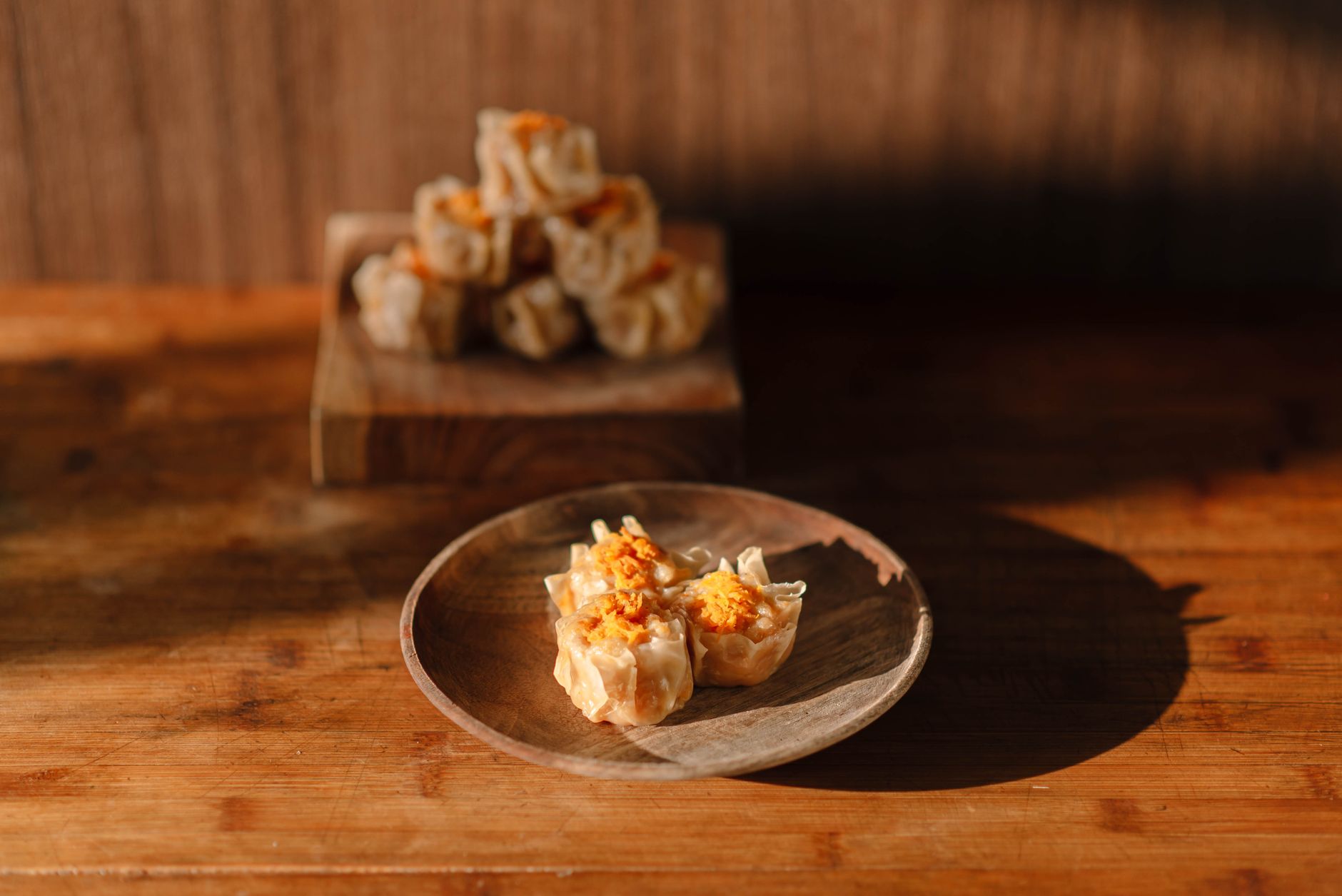
Siu Mai, also known as shaomai or shumai, is a popular type of Chinese dumpling that has won the hearts of food enthusiasts around the globe. Traditional siu mai is known for its open-top shape, thin dumpling wrapper, and delicious, savory filling, often found in dim sum offerings. In this article, we’ll explore the ingredients, flavors, and optimal ways to serve siu mai, making it easier for you to enjoy this exceptional dish.
Rich in flavor and texture, siu mai can be made with various fillings, allowing for endless variations. Whether you are a novice cook or a seasoned chef, understanding siu mai’s components and serving styles can elevate your culinary skills. Let’s dive into the details and make your next meal memorable!
What Is Siu Mai?
Siu Mai is a traditional Chinese dumpling variant that is typically filled with ground pork or shrimp, along with aromatic seasonings and vegetables. Its origin can be traced back to various regions in China but is particularly associated with Cantonese cuisine.
The dumpling is characterized by its unique open-top appearance which displays its savory filling. Steamed to perfection, siu mai are often found being served in bamboo steamers. Their versatile flavor profile and easy preparation make them an essential dish in dim sum restaurants.
Ingredients in Siu Mai
The basic components of siu mai include the dumpling wrappers and the filling mixture. Here’s a detailed look at each.
Dumpling Wrapper
Siu mai wrappers are typically made from a simple dough composed of:
- All-purpose flour
- Water
- Salt
The dough is rolled out into thin rounds, which makes them pliable and easy to work with. Store-bought wrappers can also be used to save time.
Filling Mixture
The filling is the heart of siu mai. While recipes can vary widely, a classic siu mai filling generally consists of:
- Ground pork
- Chopped shrimp (usually raw)
- Chopped green onions
- Garlic, minced
- Ginger, minced
- Soy sauce
- Sesame oil
- Salt and pepper
- Optional: water chestnuts or mushrooms for added texture
This mixture offers a combination of savory, slightly sweet, and umami flavors, delivering a delicious bite with each siu mai dumpling.
Flavor Profile of Siu Mai
Siu Mai has a complex flavor profile that is a delightful blend of various tastes and textures. The main flavors come from the sodium in the soy sauce, the fragrant essence of sesame oil, and the natural sweetness of pork and shrimp. These ingredients harmoniously combine to create a comforting and satisfying dish.
The addition of ginger and garlic gives siu mai a mild spiciness and depth of flavor, while green onions add freshness and crunch. This balance makes siu mai a pleasant option for those who enjoy nuanced flavors.
How to Serve Siu Mai
Siu Mai can be enjoyed on its own or paired with an array of complementary ingredients. Here’s how to serve it perfectly:
Serving Suggestions
Siu Mai is best served hot, straight from the steamer. Consider these serving suggestions:
- Serve with soy sauce or a special dipping sauce made with vinegar, soy sauce, and chili oil for an extra kick.
- Add a sprig of cilantro or a slice of chili on top for a pop of color and flavor.
- Pair with other dim sum dishes like har gow (shrimp dumplings) and char siu bao (barbecue pork buns) for a complete meal.
- Garnish with a sprinkle of black sesame seeds for added visual appeal and flavor.
Dipping Sauces
A variety of dipping sauces can enhance the flavor of siu mai. Try these options:
- Simple soy sauce with chopped green onions.
- Chili oil mixed with vinegar.
- A sesame-based dipping sauce with tahini, soy sauce, and sugar.
- Homemade dumpling dipping sauce, which you can find in our dumpling dipping sauce recipe.
Making Siu Mai at Home
Ready to try your hand at making siu mai? Below are step-by-step instructions for crafting these delightful dumplings.
Equipment Needed
- Bamboo steamer or steamer basket
- Rolling pin
- Mixing bowl
- Knife and chopping board
- Measuring cups and spoons
Step-by-Step Instructions
- Prepare the Dumpling Wrappers: If making from scratch, combine 2 cups of all-purpose flour, 1/2 cup of water, and a pinch of salt in a bowl. Knead until smooth and let it rest for 30 minutes. Roll out the dough and cut rounds approximately 3 inches in diameter.
- Make the Filling: In a mixing bowl, combine 1 cup of ground pork, 1/2 cup of chopped shrimp, 2 tablespoons of chopped green onions, 2 minced garlic cloves, and 1 teaspoon each of ginger, soy sauce, sesame oil, salt, and pepper. Mix well until all ingredients are fully incorporated.
- Assemble the Siu Mai: Place a wrapper in the palm of your hand. Spoon about 1-2 tablespoons of the filling into the center. Gently gather the edges of the wrapper and pinch them to form a cup around the filling. Ensure the top remains open.
- Prepare the Steamer: Fill a pot with water and bring it to a boil. Line the bamboo steamer with parchment paper to prevent sticking. Place the siu mai into the steamer, leaving some space between each.
- Steam the Siu Mai: Reduce the heat to medium and steam for 8-10 minutes or until the filling is cooked through. The pork should reach an internal temperature of 160°F (71°C).
- Serve: Carefully remove the steamer from the pot. Serve the siu mai hot with your preferred dipping sauce.
Tips for Perfect Siu Mai
To achieve the best results when making siu mai, consider these practical tips:
- Keep your filling moist: Adding a little water or chicken stock can help keep the mixture juicy.
- Do not overfill the dumplings; this can cause them to burst while cooking.
- Use fresh wrappers if possible: Freshly made wrappers may enhance the taste and texture.
- Experiment with fillings: Feel free to substitute ground pork with chicken or turkey, or include vegetables for a vegetarian option.
Common Mistakes and Troubleshooting
Even experienced cooks can run into issues when making siu mai. Here are some potential problems and solutions:
- Wrappers tearing: If your dough is too thin or dry, it may tear. Ensure it is well-hydrated and cover it with a cloth to keep it moist.
- Filling leaking: This can happen if you overstuff the dumpling or if the wrapper is not properly sealed. Practice pinching the dough gently to avoid leaks.
- Filling not cooked through: Ensure that your steam time is adequate and check the internal temperature with a food thermometer.
Storing and Reheating Siu Mai
Proper storage can help maintain the quality of siu mai. Here are some guidelines:
Storage
Cooked siu mai can be stored in an airtight container in the refrigerator for up to three days. For longer storage, freeze the dumplings in a single layer on a baking sheet before transferring them to a freezer-safe bag.
Reheating
To reheat frozen siu mai, there’s no need to thaw them first. Simply steam the dumplings for about 10-12 minutes or until heated through. Alternatively, you can microwave them covered with a damp paper towel to retain moisture.
Conclusion
Siu Mai is a versatile and flavorful dish that showcases the beauty of Chinese cuisine. With its rich history and delicious taste, it’s no wonder it has become a favorite around the world. By understanding its components, following the preparation steps, and implementing the tips provided, you can create your very own siu mai at home.
Ready to get started? Explore our siomai recipe for step-by-step guidance and try your hand at making this delightful dumpling today!
For more culinary exploration, check out our guides on cooking techniques and recipes to enhance your food experience.