
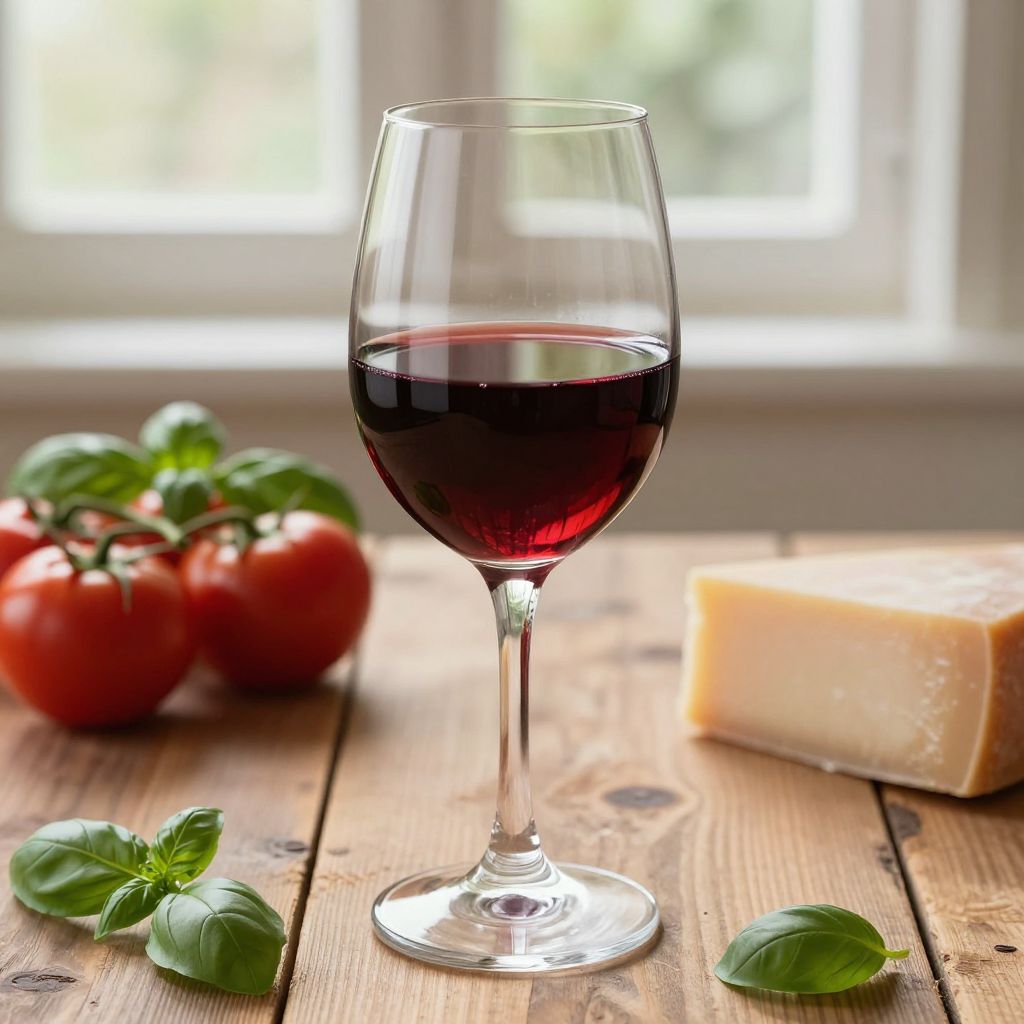
Sangiovese is a robust and versatile grape variety that plays a pivotal role in Italian winemaking, particularly known as the backbone of iconic wines like Chianti and Brunello di Montalcino. This article explores the essence of Sangiovese, delving into its flavor profile, food pairings, and how to best enjoy it.
From its origins to its characteristics and ideal serving suggestions, understanding Sangiovese not only enhances your appreciation of Italian wines, but also equips you to confidently choose the right bottle for any occasion.
What Is Sangiovese?
Sangiovese is a red grape variety originating from Italy, renowned for its signature tart cherry flavors and its ability to reflect the terroir of its growing region. It is the predominant grape in Tuscany and is often blended with other varietals, but stands beautifully on its own.
History and Origins of Sangiovese
Sangiovese’s history traces back to ancient Roman times, believed to have been cultivated since at least the 16th century. While its exact origins are still debated, the grape is widespread throughout Italy, with Tuscany being its most famous region. The Doc regulations established throughout the 20th century helped shape the modern understanding and articulation of Sangiovese wines.
Characteristics of Sangiovese
Sangiovese grapes are medium to large, with a dark, thick skin that contributes to the grape’s unique flavor profile and acidity. Let’s break down the primary characteristics that define this varietal.
Color
The wines produced from Sangiovese typically display a garnet hue, indicative of their age, with younger wines showcasing a bright ruby red.
Aromas and Flavors
Sangiovese is celebrated for its complex aromas and flavors. Common tasting notes include:
- Tart cherry
- Raspberry
- Plum
- Tomato leaf
- Earthiness
- Herbal notes, like oregano or thyme
- Spice, such as cinnamon and clove
The flavor profile can vary significantly depending on the region where it is grown. For example, the warmer regions produce riper fruits with a fuller body, while those from cooler climates retain more acidity and structure.
Acidity and Tannins
A signature of Sangiovese is its high acidity, which contributes to its freshness and aging potential. The tannin structure can also vary, from softer, lighter styles to more robust, tannic wines found in some Brunello di Montalcino or Chianti riserva.
Styles of Sangiovese
While the most recognized styles of Sangiovese are found in Tuscany, it has developed various interpretations across Italy. Here are some of the notable styles:
- Chianti: A light to medium-bodied wine, often with bright cherry flavors and distinct acidity.
- Brunello di Montalcino: A full-bodied, age-worthy wine made from a specific clone of Sangiovese known as Sangiovese Grosso.
- Vino Nobile di Montepulciano: A robust and elegant style made from Prugnolo Gentile, another clone of Sangiovese.
- Super Tuscan: A style that may blend Sangiovese with international varietals like Cabernet Sauvignon or Merlot for a more complex profile.
Pairing Sangiovese with Food
The high acidity and fruity notes of Sangiovese make it a versatile companion to various dishes. Here are some classic pairings:
Pizza and Pasta
Sangiovese’s acidity cuts through the richness of tomato-based sauces, making it an outstanding choice for pizza and pasta dishes. Look for Chianti or Sangiovese blends to enjoy with your next margherita or bolognese.
Italian Dishes
Classic Italian cuisine such as lasagna, osso buco, and grilled sausages are natural partners for Sangiovese, as the wine embodies the spirit of the region.
Grilled Meats
Barbecue or grilled meats benefit greatly from Sangiovese’s tannins, which help balance the richness of dishes like steak or lamb shoulder. The herbal notes in the wine echo the flavors of grilled herbs.
Cheese
Hard cheeses such as Pecorino or Parmigiano-Reggiano work beautifully with Sangiovese. The acidity in the wine contrasts with the saltiness and fat in the cheese, while enhancing its flavor.
How to Serve Sangiovese
Serving Sangiovese correctly enhances its aromas and flavors. Here are key points to remember:
Temperature
Red wines, including Sangiovese, are best served at a temperature of 60°F to 65°F (15°C to 18°C). This allows the wine’s complex flavors to shine without being masked by excessive warmth.
Glassware
Opt for a medium-sized red wine glass that allows for proper aeration. The bowl should be broad enough to let aromas develop while the tapered rim gently focuses them towards the nose.
Aeration
Sangiovese can benefit from aeration, particularly older vintages or full-bodied styles like Brunello di Montalcino. Allow the wine to breathe for about 30–60 minutes before serving, to enhance its complexity.
Storing Sangiovese
Proper storage is crucial to maintain the quality of Sangiovese. Here are essential points to consider:
Temperature
Store Sangiovese between 50°F and 55°F (10°C to 13°C) in a dark, temperature-controlled environment, avoiding fluctuations that can damage the wine.
Orientation
Keep bottles lying down to ensure the cork remains moist, preventing air from seeping in and spoiling the wine.
Duration
Most Sangiovese wines are best enjoyed within 3 to 10 years of bottling, depending on the style. However, high-quality wines like Brunello can age gracefully for 10-30 years or more.
Common Mistakes to Avoid
Understanding the nuances of Sangiovese can enhance your experience, but there are common pitfalls to be aware of:
Overchilling the Wine
While slightly cooler serving temperatures are ideal for some wines, excessive chilling can mask Sangiovese’s complexity. Keep it within the recommended range for optimal flavor.
Pairing Incorrectly
Steering clear of overly sweet or heavily spiced foods is essential. The high acidity and tannins make Sangiovese pair well with savory dishes, but sweet profiles can clash.
Ignoring Vintage Differences
Sangiovese can vary year by year due to climate and growing conditions. Pay attention to reputable vintages that are known for quality production in specific regions.
Conclusion
Exploring Sangiovese opens a world of rich flavors and memorable pairings that enhance any dining experience. Whether you opt for a classic Chianti with your pasta or a more robust Brunello with grilled meats, understanding this grape elevates your wine selection and complements your meals. For your next occasion, consider adding a bottle of Sangiovese to the table; it may just become a new favorite.
For more insightful articles on food and drink pairings, cooking tips, and recipes, feel free to explore additional resources available on our blog.