
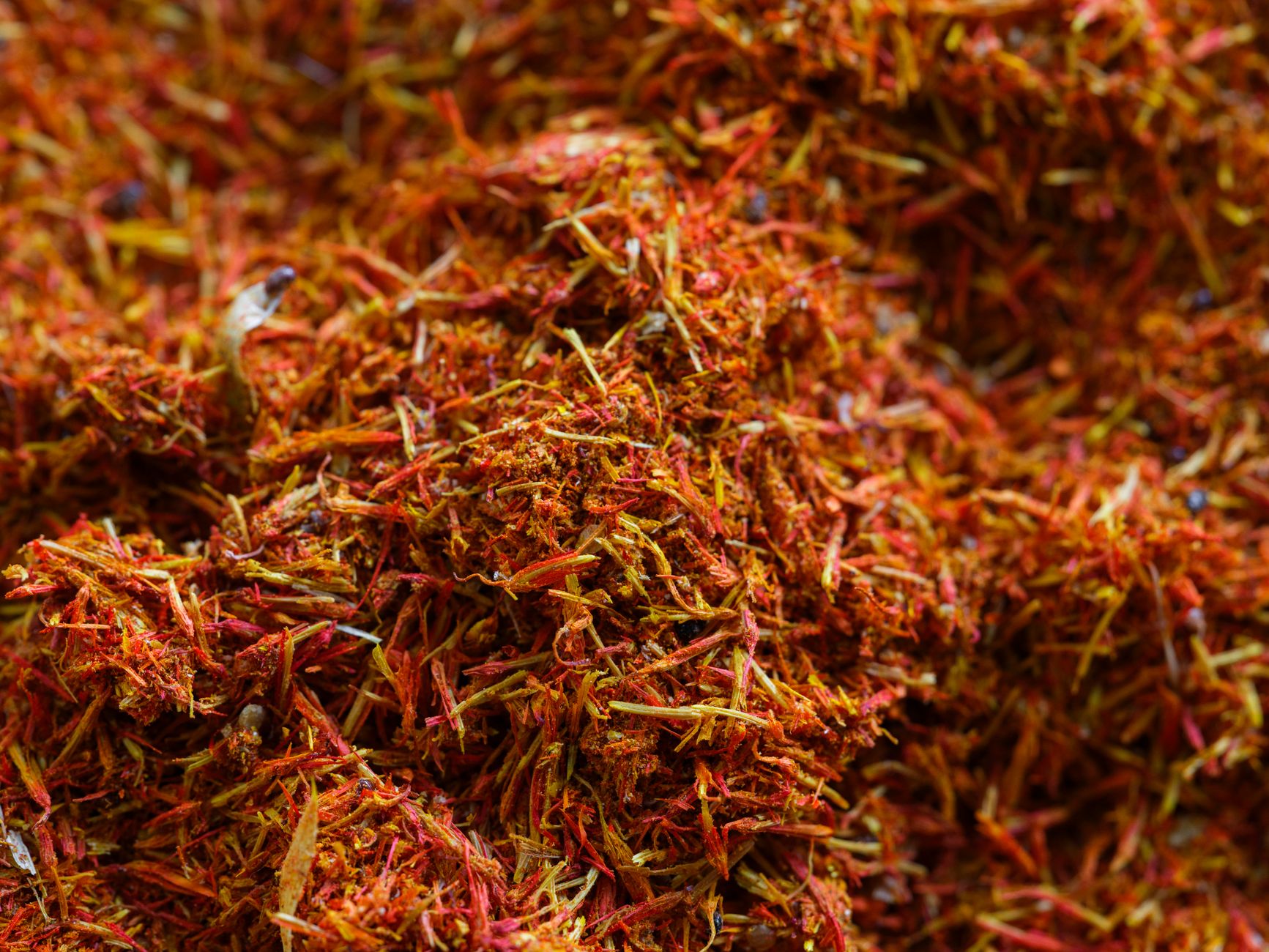
Saffron, the world’s most expensive spice by weight, is derived from the flower of Crocus sativus, commonly known as the saffron crocus. Its vivid crimson threads not only add a unique flavor but also contribute a beautiful golden hue to dishes. With a deep-rooted history and a wide range of culinary applications, saffron deserves to be understood and appreciated by anyone interested in cooking.
This article will guide you through what saffron is, exploring its ingredients, flavor profile, and various ways to serve it, whether in traditional recipes or inventive creations.
What Is Saffron?
Saffron is the dried stigma of the saffron crocus flower. Harvested by hand, each flower produces only three saffron threads, making it labor-intensive and thus highly prized. Saffron has a distinct flavor profile characterized by earthy, slightly floral notes and a subtle bitterness. It’s often used in various cuisines around the world, most notably in Mediterranean, Middle Eastern, and Indian dishes.
Ingredients of Saffron
The primary ingredient in saffron is, of course, the saffron threads themselves. These threads are actually the female reproductive organ of the saffron crocus. When considering saffron in culinary applications, it’s essential to look for high-quality threads, which often exhibit a deep red color and a strong aromatic scent. Genuine saffron will not only be aromatic but will also leave a yellowish tint when infused in liquid.
Identifying Quality Saffron
- Color: Look for bright red pigments without yellow or white strands. Good saffron is deep crimson.
- Aroma: Fresh saffron should have a sweet, floral scent. If it smells musty or overly grassy, it may not be fresh.
- Flavor: Taste a small amount to check for its earthy and slightly bitter flavor.
- Origin: Saffron from regions like Iran, Kashmir, and Spain is often considered of higher quality.
Flavor Profile of Saffron
Saffron is known for its unique and complex flavor. While its aromatic qualities are often referred to as sweet and floral, the flavor can include earthy, bittersweet tones that add a distinctive touch to dishes. It melds well with both savory and sweet recipes, enhancing the overall depth of flavor without being overpowering.
When using saffron, it’s essential to remember that a little goes a long way. Overusing saffron can lead to a bitter taste that might overpower a dish. Therefore, measuring your saffron and understanding how it interacts with other flavors in your dish is crucial.
How to Serve Saffron
Saffron can be employed in a variety of ways, from traditional dishes to innovative new recipes. Here’s a guide on the best practices for making the most of this exquisite spice.
Infusing Saffron
Before adding saffron to a dish, it’s advisable to infuse it in warm liquid. This helps to release the flavor and color effectively. Here’s how to do it:
- Take a pinch of saffron threads (about 1/4 teaspoon for most recipes).
- Place the threads in a small bowl.
- Add 1-2 tablespoons of hot water (not boiling) or broth, depending on the recipe.
- Let it sit for about 10-15 minutes. The threads will soften and the liquid will turn a beautiful golden hue.
This infused liquid can then be added to your recipe at the appropriate stage for the best flavor and color impact.
Traditional Uses of Saffron
- Risotto alla Milanese: This classic Italian dish features saffron for its distinctive flavor and golden color.
- Paella: A hallmark of Spanish cuisine, saffron is essential in imparting its unique taste and golden hue to this dish.
- Biriyani: In Indian cooking, saffron is often used in rice dishes like biriyani to enhance aroma and visual appeal.
- Saffron Tea: A soothing and fragrant drink that utilizes saffron’s unique flavor.
Innovative Uses of Saffron
While saffron shines in traditional dishes, it can also be creatively incorporated into a wide range of recipes:
- Saffron Ice Cream: Add a luxurious twist to homemade ice cream.
- Saffron-Infused Cocktails: A small amount can elevate the flavor profile of drinks.
- Saffron in Sauces: Incorporate it into creamy or tomato-based sauces for pasta or seafood dishes.
- Saffron Granola: Use it to infuse breakfast with a unique flavor experience.
Common Mistakes When Using Saffron
While cooking with saffron, it is easy to make mistakes that can diminish its quality and flavor contribution. Here are some common pitfalls to avoid:
- Using Too Much: Because saffron’s flavor can be quite potent, overusing it can lead to bitterness. Start with a small amount and adjust based on preference.
- Adding Directly to Hot Oil: Saffron can lose flavor and aroma when heated too quickly. Always infuse it in a warm liquid first.
- Neglecting to Store Properly: Saffron should be stored in a cool, dark place in an airtight container to maintain its potency.
Storage of Saffron
To ensure that your saffron retains its quality, proper storage is essential. Here’s how to store saffron effectively:
- Use an airtight container to protect saffron from moisture and light.
- Store in a dark, cool place, away from heat sources.
- Avoid keeping saffron for too long; although it can last for several years if stored correctly, using it within a year or two will ensure maximum flavor.
Practical Tips for Working with Saffron
Here are some additional practical tips for using saffron effectively in your cooking:
- Always taste as you go: Saffron can have varying intensities depending on its quality, so tasting will ensure balanced flavor.
- Crush threads before infusion: Slightly crushing saffron threads before infusing can help release even more flavor and color.
- Combine with complementary flavors: Saffron pairs well with ingredients like chicken, seafood, rice, and other spices (like cumin and coriander).
Substitutions for Saffron
While saffron is unique, there are a few alternatives in case you don’t have any on hand or need to stick to a budget. However, understand that substitutions may alter the final flavor:
- Turmeric: This is the closest flavor substitute but will make your dish yellow instead of the golden hue that saffron gives.
- Annatto: Used primarily for color, it has a slightly different flavor but can provide a similar aesthetic.
- Cardamom: Offers an aromatic factor and can add depth, but will drastically change the flavor profile of the dish.
Conclusion
Saffron may be an expensive spice, but its unique flavor, aroma, and vibrant color make it an invaluable addition to many dishes. By understanding how to properly prepare and store saffron, and recognizing how to best integrate it into your cooking, you can create stunning culinary experiences that celebrate its rich history and versatility. Next time you’re looking to elevate a dish, remember the power of saffron. Whether you’re creating a classic risotto or exploring new flavors, saffron can bring a luxurious touch to your table.
For further exploration, check out our guides on what saffron tastes like and how to understand saffron in-depth.