
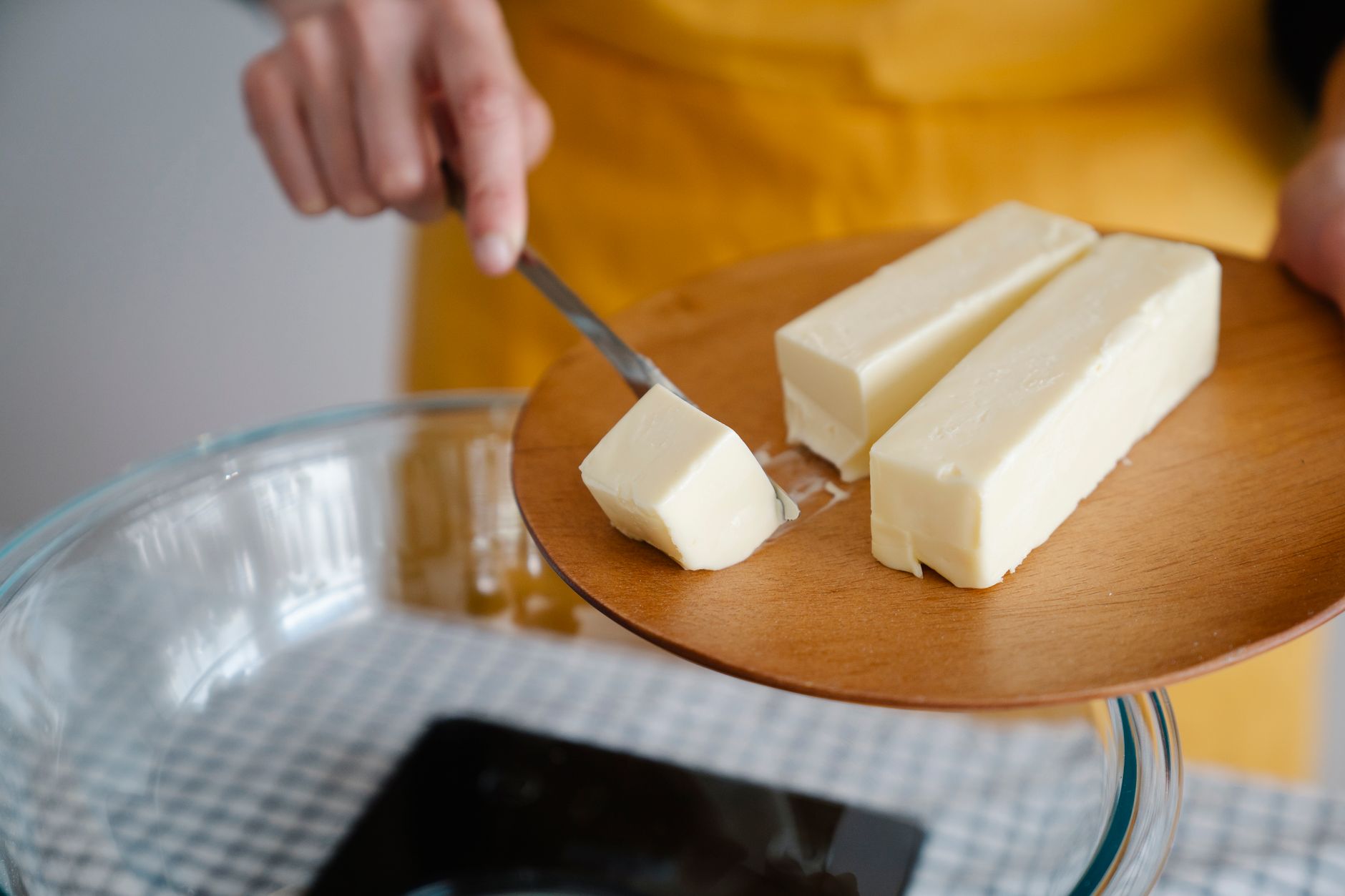
Roux is a fundamental cooking method often used in many classic dishes, known for its thickening properties and rich flavor. This mixture of fat and flour is versatile, serving as the base for sauces, soups, and stews. Understanding how to make roux and its applications can elevate your cooking significantly.
In this article, we will explore what roux is, its ingredients, flavor profiles, common uses, and various ways to serve it. Whether you are a seasoned chef or a home cook, mastering roux can enhance your culinary skills.
What Is Roux?
Roux is a mixture of fat, typically butter, and flour that is cooked together to create a thickening agent for sauces, gravies, and soups. The process involves cooking the flour in the fat, allowing it to absorb flavors and develop a nutty aroma. There are three main types of roux: white, blond, and dark, each utilized for different culinary applications.
Ingredients for Roux
The basic ingredients for making roux are simple and can be found in most kitchens. Here’s what you’ll need:
- Fat: The most common fat used is butter, but you may also use oil, lard, or clarified butter.
- Flour: All-purpose flour is typically used, but alternatives like gluten-free flour can also be used.
Common Ratios
The standard ratio for making roux is equal parts fat and flour. This means for every tablespoon of fat, use one tablespoon of flour. However, you can adjust the quantity based on the volume of sauce or dish you are preparing.
Flavor Profile of Roux
Roux contributes a rich, complex flavor to dishes. The cooking process transforms the flour, which can bring a toasted taste to the finished product. Different cooking times result in varying flavors:
- White Roux: Cooked for just a few minutes, this roux has a mild flavor. It’s best used for white sauces like béchamel or cheese sauce.
- Blond Roux: Cooked until it turns a light tan color, this roux offers a slightly nuttier flavor, suitable for lighter gravies and sauces.
- Dark Roux: Cooked for a long time until it turns a deep brown color, dark roux provides a robust, rich flavor. This type is often used in Cajun and Creole cooking, such as gumbo.
How to Make Roux
Creating roux is straightforward. Here’s a step-by-step guide:
Essential Equipment
- Sturdy saucepan or skillet
- Wooden spoon or whisk
- Measuring spoons
- Heat source (stove)
Steps to Make Roux
- Measure the Ingredients: Start with equal parts of fat and flour. For a small batch, one tablespoon of each is sufficient.
- Heat the Fat: In a saucepan or skillet, melt the fat over medium heat. If using butter, allow it to fully melt and bubble without browning.
- Add the Flour: Gradually sprinkle in the flour while stirring continuously with a wooden spoon or whisk to avoid lumps.
- Cook the Mixture: Continue to stir the mixture over medium heat. For white roux, cook for about 2-3 minutes; for blond, about 5 minutes; and for dark roux, around 10-15 minutes until it reaches the desired color.
- Remove from Heat: Once the roux is ready, take it off the heat and let it cool slightly before incorporating it into your dish.
Common Mistakes When Making Roux
While making roux seems simple, there are common pitfalls to avoid:
- Cooking Too Quickly: If the heat is too high, the roux can burn, resulting in a bitter taste. Always use medium heat.
- Lumps in the Roux: Not stirring continuously while adding the flour can lead to lumps. Make sure to whisk vigorously.
- Not Cooking Long Enough: For dark roux, be patient. Cooking it too briefly may leave raw flour flavor.
How to Use Roux
Roux can be used in a variety of dishes. Here are some popular applications:
- Sauces: Use roux as a base for sauces like béchamel, cheese sauce, and gravies. Simply whisk in broth or milk after cooking the roux.
- Soups: Incorporate roux into soups for a creamy texture. It’s especially beneficial in chowders or creamy vegetable soups.
- Stews: Roux can thicken hearty stews, adding depth to the flavor.
- Gumbo: In Cajun and Creole cuisine, dark roux is essential for dishes like gumbo, providing complexity and richness.
Serving Suggestions
Once you have prepared a dish utilizing roux, consider some ways to serve it:
- Pasta Dishes: Serve creamy sauces made with roux over pasta for a comforting meal.
- Grains: Pair thick soups made with roux alongside rice or quinoa for a hearty dish.
- Vegetable Dishes: Use a rich cheese sauce made from roux over steamed or roasted vegetables for extra flavor.
Variations of Roux
Beyond the traditional white, blond, and dark roux, there are variations that can enhance your dishes:
- Gluten-Free Roux: Replace all-purpose flour with gluten-free flour or cornstarch. Note that cornstarch will require a slightly different method as it thickens quickly.
- Herbed Roux: Infuse your roux with dried herbs or spices to add depth to the flavor. Rosemary, thyme, or paprika can complement the dish.
- Oil-Based Roux: Instead of butter, use olive oil or bacon fat to create a roux with a different flavor profile.
Storage and Reheating Roux
If you’ve made extra roux, you can store it for later use:
- Refrigeration: Store cooled roux in an airtight container in the fridge for up to one week.
- Freezing: For longer storage, you can freeze roux. Form it into tablespoon-sized portions and wrap tightly in plastic wrap before placing it in a labeled freezer bag. It should keep for about three months.
- Reheating: To use frozen roux, thaw it in the refrigerator overnight, then reheat it gently in a saucepan before adding it to your dish.
Conclusion
Roux is an essential skill that can enhance the flavor and texture of various dishes. By understanding how to make and utilize roux, you can create a richer, more satisfying culinary experience. Whether you’re making classic sauces, hearty stews, or luscious soups, mastering roux lays a solid foundation for excellent cooking. Start experimenting with different types and variations of roux to find what works best for your tastes.
For more cooking insights, be sure to check out our guides on ingredient substitutions like rosemary and shortening in baking.