
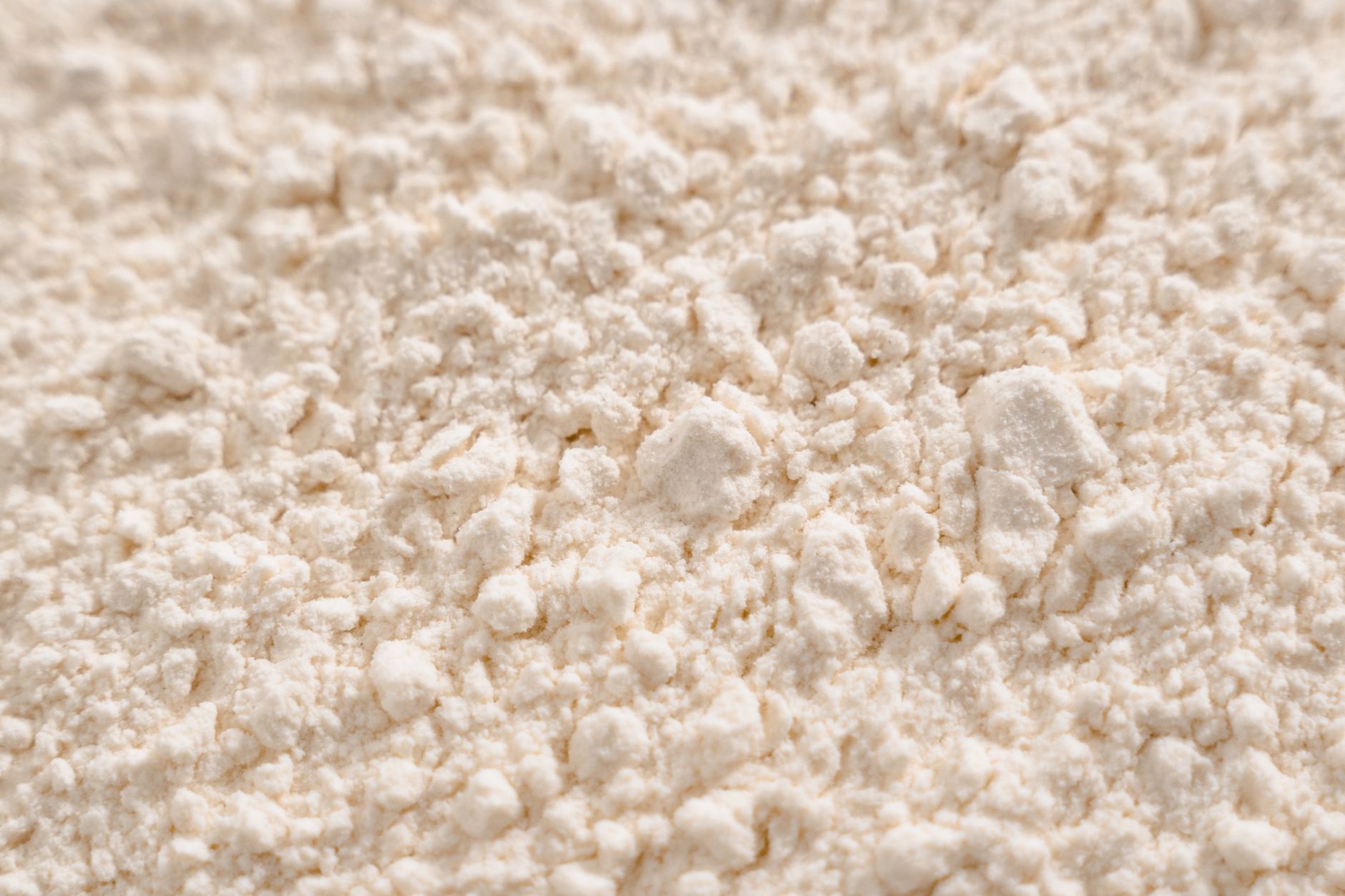
Dry milk, also known as powdered milk, is a staple ingredient often used in baking, cooking, and meal preparation. Many people, especially those with lactose intolerance, may wonder if dry milk contains lactose. Understanding whether dry milk has lactose is essential for dietary choices and ingredient substitutions.
This article will explore the composition of dry milk, its lactose content, its uses, and potential substitutes for those avoiding lactose. With this information, you can make informed decisions when incorporating dry milk into your cooking and baking techniques.
Does Dry Milk Have Lactose?
Yes, dry milk does contain lactose. During the dehydration process to make powdered milk, lactose remains present. However, the concentration of lactose can vary depending on the processing method and type of dry milk.
Understanding Lactose
Lactose is a natural sugar found primarily in milk and dairy products. For individuals who are lactose intolerant, consuming lactose can lead to digestive discomfort such as bloating, gas, and diarrhea. Lactose intolerance is more prevalent in certain populations, making it essential to identify dairy products and their lactose content for dietary management.
Types of Dry Milk
There are several types of dry milk available, each with different processing methods and potential lactose content:
- Whole Milk Powder: Contains all the fat and nutrients from whole milk, including lactose. It usually has a higher lactose content.
- Skim Milk Powder: Made from skim milk, this version has the fat removed but still retains lactose. It contains slightly less lactose than whole milk powder.
- Instant Milk Powder: This type dissolves quickly in water and is often used for cooking and baking. Instant milk powders can vary in lactose content, similar to whole and skim milk powders.
- Nonfat Dry Milk: This type is made from skim milk and has little to no fat, but it still contains lactose. It is often used in food products and recipes that require milk-like flavors without fat.
How Much Lactose Does Dry Milk Have?
The lactose content can differ based on the type of dry milk, but generally, the following estimates for lactose content apply:
- Whole Milk Powder: Approximately 50-55 grams of lactose per 100 grams.
- Skim Milk Powder: Approximately 50-52 grams of lactose per 100 grams.
- Instant Milk Powder: Varies, but typically around 50 grams of lactose per 100 grams.
- Nonfat Dry Milk: Similar to skim milk powder, about 50-52 grams per 100 grams.
These amounts can differ based on the manufacturer and specific processing methods. Always check product labels for precise lactose content.
Common Uses of Dry Milk
Dry milk is commonly used in a variety of culinary applications. Here are some popular uses:
- Baking: Adds moisture and richness to baked goods such as bread, cakes, and cookies.
- Cooking: Enhances the flavor of soups, sauces, and gravies when reconstituted in water.
- Meal Replacement: Used in meal-replacement shakes and protein powders to provide nutritional benefit.
- Emergency Preparedness: A long shelf-life option for cooking and baking when fresh milk is not available.
Alternatives for Lactose-Free Options
For those avoiding lactose, several alternatives can replace dry milk in recipes, maintaining flavor and texture. Here are some effective substitutes:
- Non-Dairy Milk Powders: Such as almond milk powder and soy milk powder, suitable for those who prefer non-dairy alternatives.
- Coconut Milk Powder: Offers a slightly sweet flavor with a tropical twist, making it great for specific recipes.
- Milk Alternatives: Use liquid non-dairy milks such as almond, soy, or oat milk in a 1:1 ratio. While they may not provide the same thickness as dry milk, they work well in most applications.
- Silken Tofu: Blended silken tofu can provide creaminess in recipes where you would otherwise use milk powder, especially in baked goods.
Practical Tips for Using Dry Milk
When incorporating dry milk into your cooking and baking, consider the following tips:
- Proper Reconstitution: To reconstitute dry milk, mix one part dry milk powder with four parts water. Stir until fully dissolved. Use this mixture as you would regular milk.
- Storage: Store dry milk in a cool, dry place, and keep it sealed to prolong shelf life. After opening, it lasts about 2-3 years.
- Measuring: Use dry milk measurements as specified in your recipe and adjust quantities according to the type of milk powder you are using.
Common Mistakes When Using Dry Milk
Here are some common pitfalls to avoid when working with dry milk:
- Not reconstituting properly: Ensure you follow the mixing instructions for the best consistency.
- Using expired dry milk: Always check the expiration date to avoid off-flavors or spoilage.
- Assuming equivalency with liquid milk without adjustments: Be aware that dry milk may alter the liquid-to-dry ingredient ratio in recipes.
Conclusion
In summary, dry milk does contain lactose, making it unsuitable for individuals with lactose intolerance. However, it remains a versatile ingredient with numerous culinary applications. For lactose-free alternatives, consider non-dairy milk powders or other substitutes that offer similar functionality. Understanding the properties of dry milk, including its lactose content, enables informed cooking and baking decisions.
Now that you’re more knowledgeable about dry milk and lactose, consider experimenting in the kitchen with various recipes. Explore the world of cooking by checking out our recipe guides, such as Cottage Cheese Bagel Recipe and Cottage Cheese Mousse Recipe for delicious inspiration and practical tips!