
Lactose intolerance affects many people worldwide, leading them to seek alternatives to traditional dairy products. Understanding what contains lactose is crucial for managing this dietary restriction while still enjoying a variety of flavorful foods. Identifying foods that contain lactose can help in meal planning and avoiding discomfort.
This article delves into the foods that typically contain lactose, how to identify them on labels, potential cross-contact risks, and practical tips for living lactose-free. Whether you’re cooking for someone with lactose intolerance or looking to adjust your own diet, this guide equips you with the knowledge you need.
What Contains Lactose?
Lactose is a natural sugar found primarily in milk and dairy products. Foods high in lactose can cause symptoms in those who are intolerant, including bloating, gas, and diarrhea. Understanding which items contain lactose helps you navigate grocery shopping and meal planning more effectively.
Common Dairy Products Containing Lactose
Understanding which dairy products contain lactose is essential for avoiding adverse effects. Here is a detailed list of the most common dairy items and their lactose content:
- Milk: Whole, skim, 1%, and 2% milk contain significant amounts of lactose.
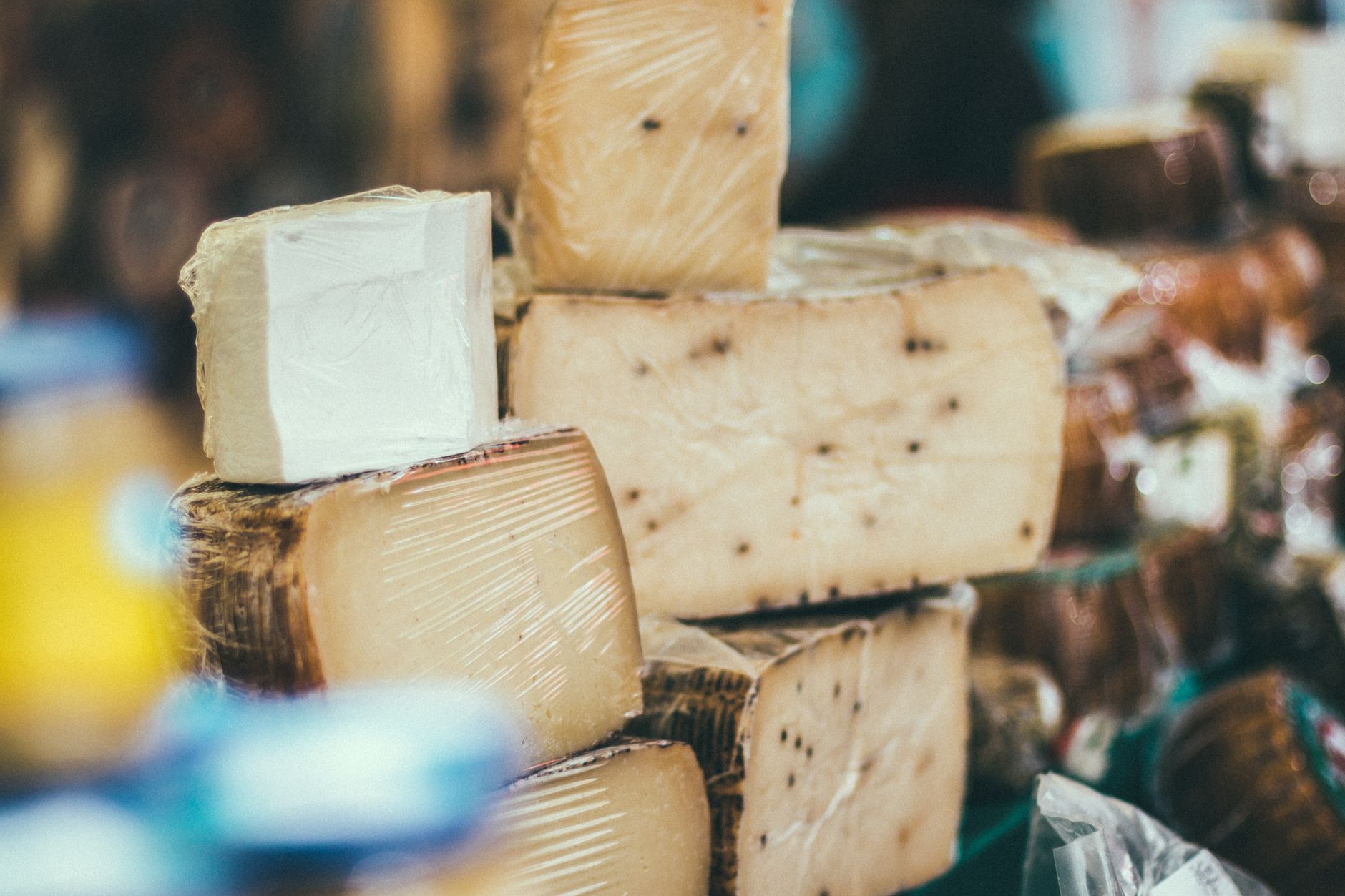
- Cheese: Soft cheeses such as ricotta, cottage cheese, and cream cheese contain higher levels of lactose than harder cheeses like cheddar or Swiss. However, aged cheeses generally have lower levels due to the fermentation process, which consumes some lactose.
- Yogurt: Most yogurts contain lactose. However, some varieties may have less due to fermentation. Greek yogurt often has lower lactose content than traditional yogurt.
- Sour cream: Regular sour cream has lactose, but lactose-free versions are readily available.
- Ice cream: Most ice creams are high in lactose, unless specified as lactose-free.
- Butter: Butter contains minimal amounts of lactose, but those with severe intolerance may still react.
Processed and Packaged Foods Containing Lactose
Many processed foods may contain lactose as an ingredient, even if they don’t primarily consist of dairy. Here are some common items to watch out for:
- Baked goods: Some breads, cookies, and pastries may contain milk or dairy products.
- Convenience foods: Meal kits and frozen meals may use dairy as a flavoring or base ingredient.
- Soup mixes and sauces: Many pre-packaged soups and sauces include dairy as a stabilizer or flavor enhancer.
- Snack foods: Cheese-flavored chips, crackers, and similar snacks typically have lactose as an ingredient.
- Processed meats: Some deli meats and sausages may contain lactose for flavor.
Identifying Lactose on Ingredient Labels
When scanning ingredient labels for lactose, look for the following terms:
- Milk: Any form of milk, including skim, whole, and buttermilk.
- Cheese: This can include standard cheese types, as well as processed cheese products.
- Whey: A common byproduct of cheese-making that often contains lactose.
- Casein: A milk protein that may still have some lactose.
- Butter: Especially in baked goods where it is often used as a base ingredient.
- Cream: Including light, heavy, sour cream, and half-and-half.
Additionally, watch for terms like “lactose,” “milk solids,” or “milk derivatives,” which indicate the presence of lactose in the product.
Potential Cross-Contact Risks with Lactose
Cross-contact can pose a concern for those with lactose intolerance. This happens when lactose-containing products touch non-dairy items. Here are some common situations to consider:
- Shared utensils: If utensils used for dairy items are not adequately cleaned, they may transfer lactose to non-dairy foods.
- Buffet-style dining: Foods at buffets may mix due to serving utensils touching multiple dishes. Always ask staff about dairy ingredients.
- Manufacturing processes: Even if a product does not contain lactose, it might be processed in facilities that handle lactose-containing items. Check for allergen warnings on packaging.
Alternatives to Dairy Products Containing Lactose
There are plenty of alternatives available for those avoiding lactose. Many are made from plant-based sources and can be substituted in recipes:
- Milk alternatives: Options like almond milk, soy milk, coconut milk, and oat milk have become widely popular. Each has its flavor and texture, so experimenting may yield the best results.
- Dairy-free yogurt: Coconut, almond, and soy yogurts are excellent substitutes, often packed with probiotics.
- Non-dairy cheese: Various brands offer cheese alternatives made from nuts or soy, with flavors ranging from mild to sharp.
- Cream substitutes: Coconut cream works well in recipes requiring heavy cream, imparting a rich taste.
- Lactose-free dairy: Many brands offer lactose-free versions of milk, cheese, yogurt, and ice cream.
Cooking and Baking without Lactose
Preparation of meals without lactose can be as enjoyable and satisfying as traditional cooking. Here are some practical tips for cooking and baking without using products that contain lactose:
- Use plant-based alternatives: Substitute traditional dairy products with plant-based options in cooking and baking.
- Experiment with flavors: Consider adding herbs, spices, or citrus to enhance the flavors when omitting dairy.
- Watch your ratios: When substituting, understand that non-dairy products may behave differently. For instance, almond milk has thinner consistency than cow’s milk.
- Use coconut milk: It adds creaminess to soups and sauces and can be whipped for desserts.
- Check cooking times: Non-dairy products may take less time to heat or cook than their dairy counterparts. Adjust accordingly to avoid burning or overcooking.
Common Mistakes When Avoiding Lactose
Here are some errors to watch for when going lactose-free, with suggestions on how to avoid them:
- Assuming all cheese is off-limits: Hard, aged cheeses typically contain less lactose and might be tolerable in small amounts.
- Not reading labels carefully: Many packaged foods contain hidden lactose. Always check for small print.
- Underestimating cross-contact risks: Be mindful of food preparation areas, especially in restaurants.
- Relying solely on lactose-free products: While they are suitable, focusing solely on these can limit dietary variety. Explore various non-dairy options.
Meal Ideas Without Lactose
Creating meals without lactose opens numerous avenues for creativity. Here are some meal ideas to inspire you:
Breakfast
- Oatmeal made with almond milk topped with fruits and nuts.
- Avocado toast on whole grain bread with spices and a squeeze of lemon.
- Smoothie with spinach, banana, almond milk, and a scoop of nut butter.
Lunch
- Quinoa salad with cucumbers, tomatoes, and a lemon vinaigrette.
- Grilled chicken wrap with spinach, avocado, and hummus in a whole wheat tortilla.
- Buddha bowl with brown rice, roasted vegetables, and tahini dressing.
Dinner
- Stir-fried tofu with vegetables and coconut aminos served over rice.
- Zucchini noodles topped with marinara sauce and sautéed mushrooms.
- Grilled salmon with a side of sweet potato and green beans.
Dessert
- Chia seed pudding made with coconut milk and topped with fruit.
- Dark chocolate avocado mousse served with a sprinkle of sea salt.
- Banana ice cream made by blending frozen bananas until smooth.
Storing Foods Free from Lactose
Storing food properly helps maintain its quality and safety. Here are some tips for storing lactose-free foods:
- Refrigerate plant-based milk: Ensure almond, soy, or coconut milk is kept in the refrigerator after opening to prevent spoilage.
- Store leftovers properly: Use airtight containers to keep leftovers fresh and free from cross-contamination.
- Understand expiration dates: Always check expiration dates on packaged lactose-free products to ensure freshness.
By following these storage tips, you can minimize food waste and enjoy your meals at any time.
Moving Forward with a Lactose-Free Diet
Living without lactose doesn’t mean sacrificing flavor or enjoyment from food. With the variety of alternatives available, you can still savor hearty, delicious meals. Make it a habit to read labels carefully, be cautious about cross-contact, and creatively incorporate non-dairy options into your routine. Explore new recipes and experiment with flavors to keep your meals exciting!
As you navigate lactose-free eating, consider trying out some related recipes like a delicious cottage cheese dip or perhaps a sweet treat with a cottage cheese brownie. Enjoy your culinary journey without lactose!