
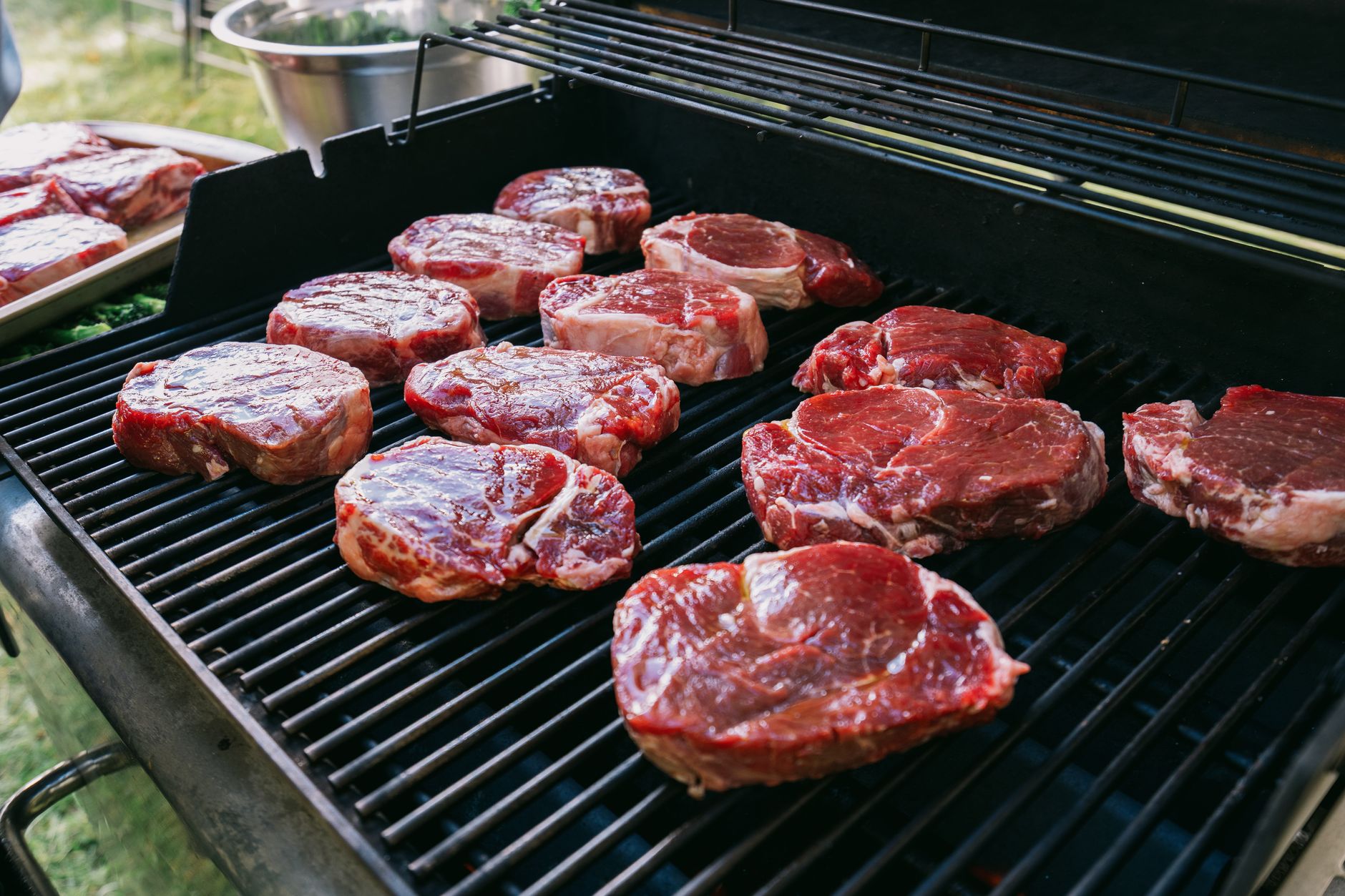
Prime rib is a popular cut of beef beloved for its tenderness, rich flavor, and the succulent juiciness it brings to any meal. It is often the centerpiece of holiday dinners, special occasions, or gourmet restaurants. Understanding what prime rib is called and how it’s classified can enhance your culinary experience and elevate your cooking skills.
This article dives into the origins of prime rib, its alternate names, how it’s prepared, and why it’s a preferred choice for many meat lovers. Whether you’re considering cooking prime rib for the first time or looking to deepen your knowledge, this guide will provide you with all the essential information.
What Is Prime Rib Called?
Prime rib is commonly referred to as “standing rib roast” and comes from the primal cut of beef known as the rib primal. It typically consists of ribs six through twelve of the cow. While “prime rib” refers to a specific way of preparing and serving this cut of meat, the term “standing rib roast” is more technical, often used in butcher shops and restaurants.
The History of Prime Rib
Understanding the heritage of prime rib adds layers to its appreciation. The origin dates back to the medieval ages, when roasting meat was a common cooking method in Europe. The rib roast became a popular choice for festive occasions, particularly in British cuisine, where it remains a staple on Christmas tables.
As butchering practices evolved, so did the terminology surrounding various cuts of beef. Initially, the term “prime” referred to meat that met strict standards of quality set by the USDA but has been loosely adopted over time to describe rib cuts that are simply flavorful and well-marbled, even if they don’t strictly meet those guidelines.
Understanding the Cut: Prime Rib vs. Other Cuts
To fully appreciate prime rib, it is helpful to see how it compares with other beef cuts:
- Ribeye: Cut from the same section but usually sold as individual steaks. Ribeyes are boneless; prime rib typically includes the bone.
- Tenderloin: Known for its tenderness, the tenderloin is from a different section of the cow. It’s less marbled than prime rib.
- Brisket: This cut is taken from the breast and is known for its flavor but requires slower cooking methods.
Prime Rib Preparation Techniques
Preparing prime rib properly is essential to achieve that stunning result. Here are the main techniques used:
1. Dry Aging
Dry aging enhances the richness and tenderness of beef by allowing it to rest in a controlled environment, which results in moisture loss and concentrated flavors. This process can last from a few weeks up to several months.
2. Seasoning
Simple seasoning with salt and pepper is often preferred to allow the meat’s natural flavors to shine. Many chefs also recommend using herb rubs or marinades for added depth.
3. Cooking Methods
Prime rib can be cooked using various methods, but the most popular are:
- Roasting: Cooking in an oven at a low temperature to ensure even cooking and tenderness.
- Searing: Starting with high heat to develop a crust before finishing in the oven.
- Smoking: Adds a depth of flavor and often results in a more tender final product.
How to Cook Prime Rib: Step-by-Step Guide
If you’re ready to tackle cooking prime rib yourself, follow this comprehensive guide.
Yield
This preparation will serve between 6-8 people, depending on portion sizes.
Preparation Time
- Prep time: 20 minutes
- Cook time: 1.5 to 2 hours
- Total: Approximately 2 hours 20 minutes
Ingredients
- 1 boneless prime rib roast, about 4-5 pounds
- 2 tablespoons kosher salt
- 1 tablespoon black pepper
- 3 cloves garlic, minced
- 1 tablespoon fresh rosemary, chopped
- 1 tablespoon fresh thyme, chopped
- 2 tablespoons olive oil
Essential Equipment
- Roasting pan
- Cooking thermometer
- Sharp knife
- Cutting board
- Aluminum foil
Cooking Method
- Start by removing the roast from the refrigerator. Let it rest at room temperature for about an hour.
- Preheat your oven to 450°F (232°C).
- In a mixing bowl, combine the kosher salt, black pepper, minced garlic, rosemary, thyme, and olive oil to create a rub.
- Coat the prime rib evenly with the rub, ensuring it covers all sides of the meat.
- Place the roast in a roasting pan, fat side up, and insert a cooking thermometer into the thickest part of the meat, away from the bone.
- Roast in the preheated oven for 30 minutes. This helps to create a nice crust.
- After 30 minutes, reduce the oven temperature to 325°F (163°C) and continue roasting until the internal temperature reaches your desired doneness:
- Rare: 120°F (49°C)
- Medium rare: 130°F (54°C)
- Medium: 140°F (60°C)
- Medium well: 150°F (65°C)
- Well done: 160°F (71°C)
- Once the roast reaches the target temperature, remove it from the oven. Cover it loosely with aluminum foil and let it rest for at least 20 minutes before carving. This allows the juices to redistribute within the meat, ensuring a juicy outcome.
- Carve it into thick slices and serve immediately with your favorite sides.
Common Mistakes to Avoid
Cooking prime rib is straightforward, but common missteps can lead to disappointing results. Here are a few pitfalls to avoid:
- Skipping the resting time, which can result in juices running out when sliced.
- Using too high or inconsistent cooking temperatures can lead to uneven doneness.
- Not accurately checking the internal temperature can cause overcooking.
Substitutions and Variations
While prime rib is a star on its own, you can try variations or substitutions:
- Herb Variations: Feel free to use other herbs like sage, parsley, or oregano if rosemary and thyme aren’t available.
- Other Cuts: If prime rib is not accessible, consider using ribeye or a sirloin roast as alternatives, though cooking times and flavors will differ.
- Marinades: Explore different marinades for new flavor dimensions, such as red wine, soy sauce, or balsamic vinegar mixes.
Serving Suggestions
Prime rib pairs wonderfully with a variety of side dishes. Consider serving it with:
- Garlic mashed potatoes
- Roasted vegetables, such as carrots and Brussels sprouts
- Yorkshire pudding, a classic British accompaniment
- Rich red wine, such as Cabernet Sauvignon or Merlot
Storage and Reheating Guidelines
Proper storage of prime rib can extend its life:
- Refrigerate leftover prime rib within two hours of cooking. It can be stored in an airtight container in the refrigerator for up to four days.
- For longer storage, freeze leftovers wrapped tightly in plastic wrap and aluminum foil. Prime rib can safely be frozen for up to six months.
- To reheat, place it in a preheated oven set to 250°F (121°C) until warmed through. Use a thermometer to make sure it reaches at least 130°F (54°C).
Conclusion
Prime rib, or the standing rib roast, is not just a meal; it’s an experience that brings people together around the dining table. Armed with the knowledge of what prime rib is called and how to prepare this succulent cut, you are prepared to host a memorable gathering, whether it’s a casual family dinner or an elegant holiday feast.
For more excellent recipes, try making a boneless prime rib or explore different flavor profiles with our prime rib rub recipe.