
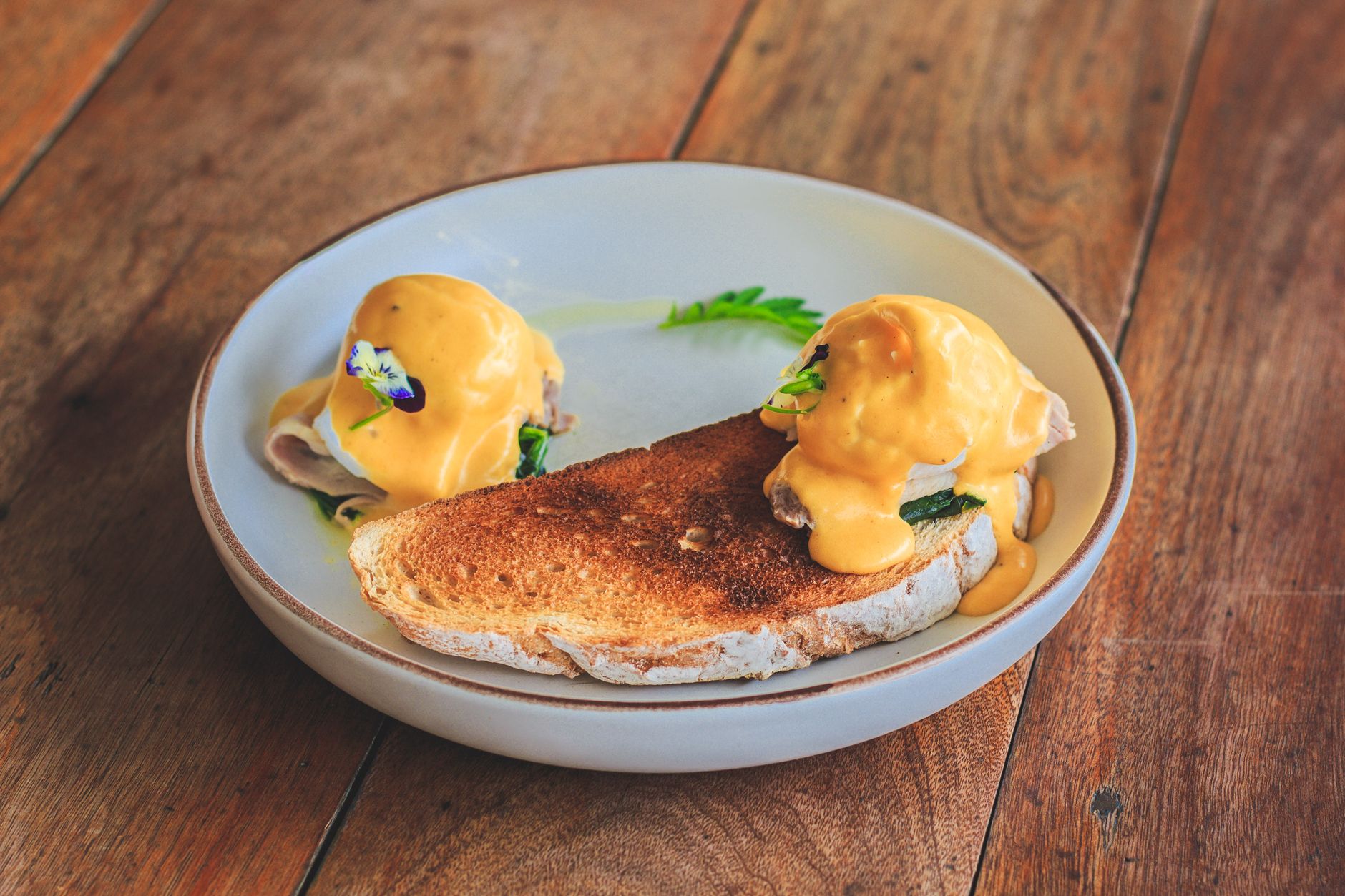
A poached egg is an egg that has been gently cooked in simmering water without its shell, resulting in a tender white and a creamy yolk. This cooking technique has been favored in various cuisines for its simplicity and the unique texture of the egg. Poached eggs can elevate many dishes, making them an ideal choice for breakfast, brunch, or even dinner.
Understanding how to poach an egg can enhance your culinary skills significantly. This versatile technique allows you to create a delicious protein-rich element that pairs beautifully with salads, toast, and grain bowls. By mastering the art of poaching, you can add a touch of elegance to everyday meals.
What Is Poached Egg?
A poached egg is defined as an egg that has been cooked outside of its shell by being immersed in simmering water. This method of cooking creates a delicate egg with tender, set whites and a perfectly runny yolk. It’s a popular preparation for breakfast dishes like eggs benedict and for garnishing salads and soups. The flavor is mildly rich, accentuated by the creaminess of the yolk.
Ingredients and Equipment for Poaching Eggs
To prepare poached eggs, you need minimal ingredients and basic kitchen equipment.
Essential Ingredients
- Fresh eggs – The key ingredient for poaching. Fresh eggs hold their shape better during cooking.
- Water – Enough to fill a saucepan to create a gentle simmer.
- Vinegar (optional) – Helps the egg whites coagulate more quickly, though it’s not strictly necessary.
- Salt (optional) – A pinch can enhance flavor but is not required during cooking.
Equipment Needed
- Large saucepan – To hold the water and allow ample space for the eggs to move.
- Slotted spoon – For gently removing the poached eggs from the water.
- Small bowl or ramekin – To crack the egg into before adding it to the water.
- Timer – To track cooking time.
- Optional: A lid – To cover the saucepan for a more even cooking process.
How to Poach an Egg: Step-by-Step Guide
The process of poaching an egg requires careful attention to detail but is relatively straightforward. Follow these steps to achieve the best results.
- Fill a large saucepan with water: Fill the pan with about 3 inches of water. The depth ensures that the egg will be fully submerged.
- Add vinegar (optional): If desired, add about a tablespoon of vinegar into the water. This can help the egg whites to set more quickly.
- Heat the water: Place the saucepan over medium heat until it reaches a gentle simmer. Small bubbles should rise to the surface. Avoid a rolling boil as it can cause the eggs to break apart.
- Crack the egg: Crack a fresh egg into a small bowl or ramekin to check for quality and to ensure it remains intact. This also makes it easier to add the egg to the water smoothly.
- Create a whirlpool (optional): Stir the simmering water in a circular motion to create a vortex. This method can help the egg white wrap around the yolk for a neater appearance, but it’s not necessary.
- Slide the egg into the water: Gently lower the bowl to the surface of the water and let the egg slide in. Ensure the egg is added away from the edge of the pot, giving it space to move.
- Cook the egg: Let the egg cook undisturbed for about 3-4 minutes for a runny yolk. For a firmer yolk, leave it for 5-6 minutes. Use a timer for accuracy.
- Check for doneness: The whites should be set, and the yolk will still have a slight jiggle. If you prefer a firmer yolk, it can be cooked slightly longer.
- Remove the egg: Using a slotted spoon, carefully lift the poached egg out of the water, letting any excess water drain off.
- Serve immediately: Place the poached egg on a plate or dish of your choice.
Flavor Profile of Poached Eggs
The flavor of a poached egg is subtle and mildly savory. The cooking method highlights the natural taste of the egg, with the yolk providing a creamy richness. Poached eggs can absorb the flavors of seasonings or sauces they are served with, making them very adaptable to a variety of culinary settings. Common accompaniments include herbs, spices, and sauces like hollandaise or pesto.
Common Mistakes When Poaching Eggs
Even with the simplicity of this cooking technique, a few common pitfalls can lead to unsatisfactory results. Understanding these mistakes can help you achieve perfectly poached eggs every time.
Overcooking
One of the most frequent mistakes is leaving the eggs in the water for too long, which leads to a firm yolk. Always keep an eye on the time and aim for a tender, runny yolk if that’s your preference.
Water Temperature
Cooking the eggs at too high a temperature causes the whites to break apart and can form a frayed appearance. Make sure the water is at a gentle simmer rather than a vigorous boil.
Using Old Eggs
Older eggs are harder to poach because their whites tend to spread and create a less desirable shape. Ensure you are using fresh eggs for the best results.
Variations of Poached Eggs
While the classic poached egg is delicious on its own, there are many variations that can add exciting flavors and textures to your dish.
Herbed Poached Eggs
Add fresh herbs to the water or sprinkle finely chopped herbs on the egg after cooking for an additional layer of flavor. Chives, parsley, or dill work especially well.
Spicy Poached Eggs
For those who enjoy a kick, drizzle the finished poached egg with chili oil or hot sauce. This adds a spicy twist that can awaken the taste buds.
Poached Eggs on Toast
Poach eggs and serve them over toasted bread. You can top with avocado, smoked salmon, or sautéed spinach for a satisfying breakfast or brunch dish.
Eggs Benedict
Classic eggs benedict features poached eggs served on toasted English muffins with Canadian bacon and topped with hollandaise sauce. This dish showcases the poached egg’s versatility and can be a stunning brunch centerpiece.
How to Serve Poached Eggs
Serving poached eggs can be as simple or as elaborate as you want. Here are a few popular serving ideas:
Breakfast Bowls
Place poached eggs over grains such as quinoa or rice, and top with seasonal vegetables, nuts, and a tasty dressing for a balanced breakfast bowl.
Salads
Add a poached egg on top of a fresh salad to create a hearty meal. The warm yolk mixes beautifully with greens and dressings.
On Toast
For a quick and satisfying meal, serve your poached egg on toasted bread. Top with avocado, smoked salmon, or a smear of cream cheese for a delicious brunch option.
With Sauce
Consider serving poached eggs with sauce. A hollandaise sauce served over poached eggs pairs beautifully to create an elegant dish. Similarly, a spicy tomato sauce or a tangy pesto can enhance the flavor of the dish.
Make-Ahead and Storage Tips for Poached Eggs
Poached eggs are best served immediately after cooking for optimal texture. However, if you need to prepare them in advance, consider these tips:
Make-Ahead
Poach eggs in advance and store them in a bowl of cold water in the refrigerator. To reheat, submerge them in hot water for about 1-2 minutes just before serving.
Storage
If you have leftover poached eggs, store them in an airtight container in the refrigerator. They are best consumed within 1-2 days. Avoid freezing poached eggs, as it can result in undesirable texture changes.
Nutritional Information and Health Benefits
Poached eggs are an excellent source of protein, essential vitamins, and minerals. They are low in calories and can provide a hearty meal without excess fat when prepared without added oils or fats. Eggs contain Vitamin B12, Vitamin D, several minerals, and are a good source of choline, an essential nutrient for brain health.
Final Thoughts on Poaching Eggs
Mastering the technique of poaching eggs can elevate your cooking skills and enhance your meals. Poached eggs are versatile and can be paired with various dishes, from breakfast to dinner. With just a few simple ingredients and equipment, you can create a beautiful and delicious addition to your meals. As you practice, you’ll gain more confidence and discover your personal preferences in doneness and seasoning.
There are many new and exciting recipes to explore, such as jammy eggs which offer a slightly different texture or egg foo young for a delightful twist. Consider integrating these culinary creations into your cooking repertoire. Happy poaching!
Explore related recipes like jammy eggs and egg foo young for more delicious egg-based dishes.