
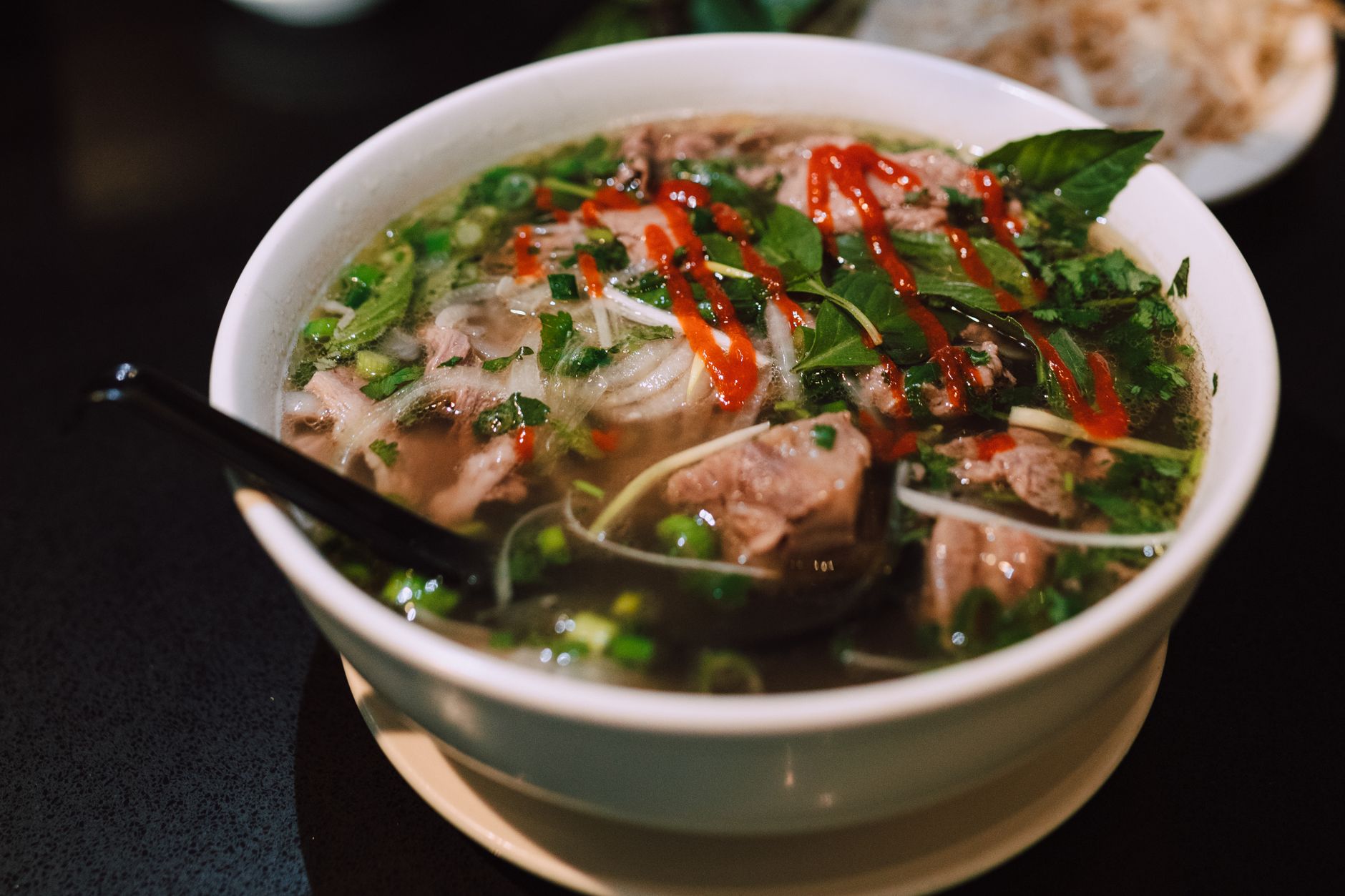
Pho is a traditional Vietnamese noodle soup, beloved for its rich broth and diverse flavors. At its core, pho is composed of several essential components that come together to create a comforting dish that nourishes both body and soul.
This article explores the various ingredients that make up pho, the flavor profile they create, and how these elements come together in the kitchen. We will also discuss variations, tips for preparation, and the best way to serve this iconic dish.
What Is Pho Made Of?
The primary components of pho include broth, noodles, meat, herbs, and various condiments. The combination of these elements results in a savory and aromatic bowl of noodles. Understanding these ingredients is crucial to mastering this essential Vietnamese dish.
Essential Ingredients of Pho
1. Broth
The broth is the heart of pho, providing the foundation for flavor. Authentic pho broth is typically made by simmering a combination of beef bones and spices for several hours. Here’s what goes into making a great pho broth:
- Beef Bones: Marrow bones are preferred for their rich flavor and gelatinous texture, which gives the broth body.
- Spices: Common spices include star anise, cloves, cinnamon, coriander seeds, and black peppercorns. These spices are often roasted to enhance their aromatic qualities.
- Aromatics: Onions and ginger are typically charred, which adds depth to the broth’s flavor. Some recipes also include scallions and garlic.
- Water: The base for the broth. The water-to-bone ratio is crucial to ensuring a balanced flavor concentration.
2. Noodles
The type of noodles used in pho is flat rice noodles, known as banh pho. They come in various widths, but the most common varieties range from narrow to medium sizes. Here are some details:
- Texture: These noodles are chewy and absorb the broth well, adding to the overall satisfaction of the dish.
- Preparation: The noodles are usually blanched in boiling water just before serving to warm them and give them the right texture.
3. Meat
While pho can be made with various types of meat, the most traditional is beef. Common cuts include:
- Brisket: This cut becomes tender after being simmered in the broth.
- Flank: Thinly sliced flank steak is usually added raw to the hot broth, where it cooks upon serving.
- Tendon and Tripe: These meats add texture and flavor, often favored by purists.
- Chicken: For chicken pho (pho ga), the broth is made using chicken bones, and the meat is typically shredded and added to the bowl.
4. Herbs and Vegetables
Fresh herbs and vegetables play a significant role in pho, adding brightness and freshness. Key components include:
- Fresh Basil: Thai basil is the most common type used. Its aromatic leaves add a unique flavor.
- Cilantro: Chopped cilantro is often sprinkled on top for an earthy brightness.
- Bean Sprouts: These crunchy sprouts add a nice contrast in texture to the soup.
- Chili Peppers: Fresh Thai bird chilies provide heat and can be added according to personal preference.
- Lime Wedges: Lime juice brings acidity, enhancing the overall flavor of the dish.
5. Condiments
Several condiments are offered with pho to customize each bowl, including:
- Sriracha Sauce: This spicy sauce can be added to increase the heat level of the broth.
- Hoison Sauce: A sweet and thick sauce that adds a rich flavor when drizzled on the noodles.
- Fish Sauce: A few drops can deepen the umami flavor of the broth.
Flavor Profile of Pho
The flavor of pho is multifaceted, with a delicate balance of savory, spicy, and fresh notes. The aroma of the broth wafting from the bowl often envelops you, inviting you to take a sip. Here’s a deeper look at the flavor elements:
1. Savory and Umami
Beef bones contribute rich umami flavors, creating a deep and satisfying broth. The long cooking time allows collagen to break down, giving the broth a silky texture.
2. Aromatic Spices
The combination of spices like star anise and cinnamon adds warmth and complexity, enhancing the broth’s flavor. Each spoonful offers hints of sweetness from the spices paired with the savory beef.
3. Freshness from Herbs and Vegetables
Fresh herbs such as basil, cilantro, and bean sprouts not only add color but also bring a burst of fresh flavor that balances the rich broth. Lime introduces acidity, making every bite more vibrant.
4. Adjustability
With the addition of condiments like sriracha and hoisin sauce, diners can tailor their pho experience to their personal taste preferences—whether spicy, sweet, or something in between.
Cooking Techniques for Pho
Making pho at home involves several steps, but the process can be broken down into manageable parts. Here’s a general outline of how to prepare pho:
1. Making the Broth
- Start with a variety of beef bones (marrow bones and oxtails are great choices). Roasting the bones in the oven at 400°F (200°C) for about 30 minutes enhances flavor.
- Transfer the bones to a large pot, cover with cold water, and bring to a boil. Skim off any impurities that surface during boiling for a clearer broth.
- Add charred onions, ginger, and the roasted spices to the pot. Simmer on low heat for at least 6-8 hours (up to 12 is best) to create a rich and flavorful broth. Add more water as necessary to keep the bones submerged.
- Strain the broth through a fine mesh sieve to remove solids. Season with fish sauce and salt to taste.
2. Preparing the Noodles and Toppings
- Soak the banh pho noodles in warm water for about 30 minutes or until they soften.
- Boil water in a separate pot. Blanch the soaked noodles for about 30 seconds until just cooked. Drain and set aside.
- Prepare your meat (slicing it thinly if using brisket or flank). If using chicken, shred the cooked meat.
3. Assembling the Bowl
- In a serving bowl, place the blanched noodles and add your choice of cooked meat on top.
- Pour the hot broth over the noodles and meat, ensuring the meat cooks through if added raw.
- Garnish with fresh herbs, bean sprouts, lime wedges, and your choice of condiments.
Practical Tips for Making Pho
When preparing pho, consider the following tips to enhance your cooking experience:
- Time Management: Making the broth can take a long time, but you can prepare it a day ahead. The flavor improves as it sits, so allow it to cool and refrigerate overnight.
- Quality Ingredients: Using high-quality, fresh ingredients significantly impacts the flavor of your pho. Invest in good beef bones and fresh herbs.
- Batch Cooking: Consider making a large batch of broth and freezing portions for quick meals later. Homemade pho can be a nourishing meal in no time on busy days.
- Customize Your Bowl: Use leftover meats or vegetables for variations. Pho can accommodate a range of proteins, including seafood and tofu.
Serving Suggestions and Variations
Pho is versatile and can be served in various ways, allowing for regional and personal adaptations:
1. Different Proteins
In addition to beef, you can find pho made with chicken, seafood, or even vegetarian versions. Substitute chicken for beef for a lighter option or use vegetables and mushrooms for a vegetarian twist.
2. Spicy Variant
If you enjoy heat, consider adding more chili peppers or using a spicy hoisin sauce. Some regions even offer a spicy pho broth made from a stock infused with chili oil.
3. Regional Variations
Different regions in Vietnam have their own specialty versions of pho. For example, pho Hanoi features clear broth and more herbs, while pho Ho Chi Minh City may be sweeter and include more toppings.
Common Mistakes and Troubleshooting
Even experienced cooks may face challenges when making pho. Here are some common pitfalls and how to avoid or resolve them:
1. Cloudy Broth
A cloudy broth usually results from not skimming impurities when boiling the bones. Ensure to constantly check for foam and scum on the surface and remove it.
2. Overcooked Noodles
To prevent mushy noodles, avoid cooking them too long. Always blanch just before serving for the best texture.
3. Imbalanced Flavor
If your broth is too bland, consider adding more fish sauce and adjusting seasonings. Taste and adjust as you go to ensure the perfect balance.
Storage and Reheating
To store pho components:
- Broth: Allow it to cool completely, then store it in an airtight container in the refrigerator for up to three days or freeze for up to three months.
- Noodles: Cooked noodles can last in the refrigerator for up to a week but store them separately from the broth.
- Meat: Store any leftover meat separately in the refrigerator for up to three days or freeze for longer storage.
To reheat, warm the broth and add the noodles and any other components until heated through.
Making pho at home can be a rewarding culinary venture, allowing you to customize flavors and create a dish that’s both authentic and comforting. The combination of rich broth, tender meat, and fresh herbs makes the effort worthwhile. Now that you understand what pho is made of and how to make it, you’re well on your way to enjoying your own homemade version.
Explore related recipes and tips by checking out what pho tastes like or how many calories are in pho.