
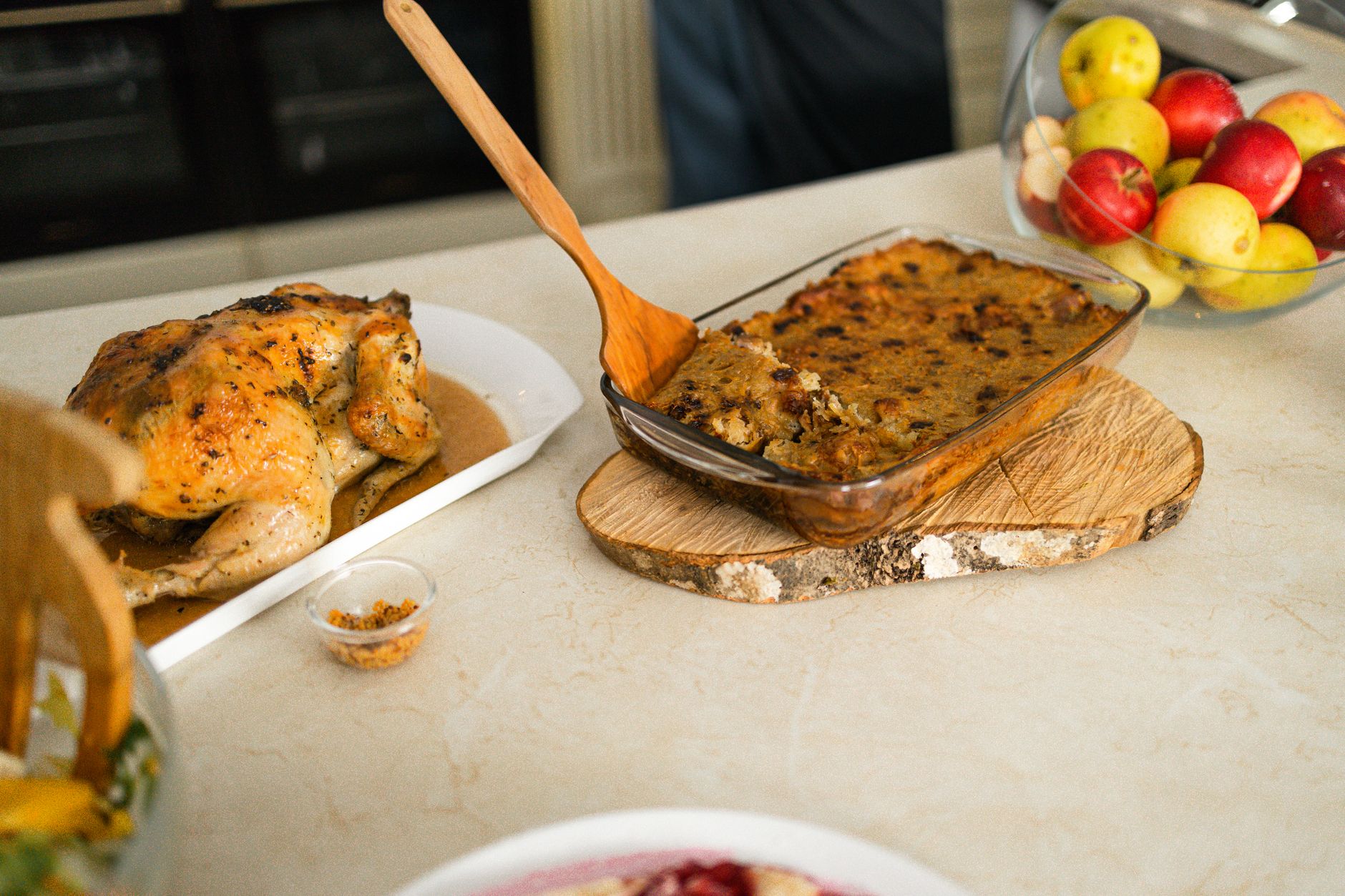
Stuffing, also known as dressing, is a flavorful and comforting dish often served alongside holiday meals, especially Thanksgiving. This classic side dish can be made using various ingredients and cooking methods, leading to diverse textures and flavors. Knowing how long to cook stuffing is crucial for ensuring that it reaches the right level of doneness without sacrificing flavor or moisture.
In this guide, we will cover how long to cook stuffing, different preparation methods, checks for doneness, and tips for achieving the perfect dish. Whether you’re baking it inside a turkey or cooking it separately, understanding the timing and technique is essential for a delightful stuffing that elevates your meal.
How Long to Cook Stuffing?
The cooking time for stuffing generally ranges from 30 to 60 minutes, depending on whether it is cooked inside a turkey or baked separately in a dish. It’s important to check for doneness by ensuring that the stuffing reaches an internal temperature of 165°F (74°C) for food safety and optimal texture.
Types of Stuffing and Cooking Methods
There are several types of stuffing, including bread stuffing, cornbread stuffing, and even wild rice stuffing. Each type may require different cooking times based on its ingredients and moisture content. The two most common cooking methods are:
- Stuffing Inside a Turkey: This method involves placing the stuffing inside the cavity of the turkey before roasting. This type may take longer to cook due to the surrounding meat and can achieve a moist, flavorful result.
- Baking Separately: Cooking stuffing in a baking dish allows for crispy edges and a varied texture. This method typically reduces cooking time and can yield a delightful contrast to the moist interior.
Cooking Times for Different Types of Stuffing
Here are some general guidelines for cooking times based on the type of stuffing and cooking method:
Stuffing Inside a Turkey
- Prepare the stuffing mixture according to your recipe.
- Stuff the cavity of the turkey loosely, ensuring that the stuffing has space to expand as it cooks.
- Roast the turkey according to the weight—typically 13 to 15 minutes per pound.
- Check the stuffing for doneness about 30 minutes before the turkey is expected to be finished cooking.
Estimated Cooking Times:
Generally, cooking stuffing inside a turkey will take about 30 to 45 minutes, but it may take longer based on the turkey’s size and cooking method. A properly cooked stuffing should reach an internal temperature of 165°F (74°C).
Baking Stuffing Separately
- Prepare the stuffing mixture and place it in a greased baking dish.
- Cover with aluminum foil and bake in a preheated oven at 350°F (175°C).
- Remove the foil for the final 10 to 15 minutes to allow the top to crisp.
Estimated Cooking Times:
Baking stuffing separately will usually take 30 to 45 minutes. For optimal texture, check for doneness by ensuring it has a golden-brown top and an internal temperature of 165°F (74°C).
Checking for Doneness
Regardless of the cooking method, checking the doneness of the stuffing is critical. Here’s how to properly assess whether your stuffing is cooked through:
- Use a Meat Thermometer: Insert a meat thermometer into the center of the stuffing. It should read 165°F (74°C) for safe consumption.
- Visual Cues: Look for a golden-brown crust on the top, and ensure that the stuffing is moist but not soggy.
- Texture Check: The filling should be soft, with a cohesive texture that holds together when scooped.
Common Mistakes and Troubleshooting
Even experienced cooks can encounter occasional hiccups when making stuffing. Here are some common mistakes and how to troubleshoot them:
- Dry Stuffing: This can occur if the stuffing is overcooked or if too little broth is added. You can remedy this by adding more broth gradually until the desired moisture level is reached.
- Soggy Stuffing: If your stuffing is wet and mushy, it may have had too much liquid or insufficient baking time. Spread it out on a baking sheet and bake for an additional 10 to 15 minutes to help absorb moisture.
- Uneven Cooking: If you are cooking stuffing inside a turkey, ensure that it is not packed too tightly. A well-aerated stuffing will cook more evenly.
Flavor Variations and Ingredient Substitutions
One of the great things about stuffing is the variety of flavors you can experiment with. Here are some substitutions and variations you might consider:
Bread Types
- White Bread: Adds a neutral flavor and soft texture.
- Sourdough: Offers a tangy flavor and chewy texture.
- Cornbread: Provides a slightly sweet taste and crumbly texture.
Herbs and Spices
- Traditional Seasonings: Sage, thyme, and rosemary are classic choices that add depth.
- Regional Twists: Consider using southwestern flavors like chili powder and cumin or Mediterranean options like oregano and basil.
Other Ingredients
- Fruits and Nuts: Dried cranberries, apples, pecans, or walnuts can add sweetness and crunch.
- Vegetables: Sautéed onions, celery, and carrots can enhance flavor and texture.
- Broth and Stock: Consider chicken, vegetable, or turkey broth for added flavor.
Make-Ahead and Storage Tips
If you’re planning a big meal, you can prepare the stuffing ahead of time. Here are some tips:
- Refrigerating Uncooked Stuffing: Assemble the stuffing a day in advance, cover it, and store it in the refrigerator. Be sure to bake it within 24 hours for safety.
- Refrigerating Cooked Stuffing: Once cooled, store leftover stuffing in an airtight container for up to 3 to 4 days in the refrigerator. It can also be frozen for longer storage.
- Reheating Tips: To reheat, place the stuffing in a baking dish, sprinkle a little extra broth over the top to add moisture, cover with foil, and warm in a 350°F (175°C) oven until heated through.
Serving Suggestions
Stuffing pairs beautifully with a variety of dishes throughout the year. Here are some ideas for serving:
- Turkey or Chicken: The classic pairing, especially during the holidays.
- Pork Loin or Roast Beef: The savory stuffing complements the richness of these meats.
- Vegetarian Options: Serve as a side to roasted vegetables or a rich mushroom gravy.
Conclusion
Cooking stuffing correctly involves proper timing, awareness of the cooking method, and checks for doneness. By following these tips and guidelines, you can create a delightful stuffing perfect for any meal. Keep in mind the variety of flavors and ingredients that can enhance your dish, making it unique with each preparation.
For more delicious stuffing ideas, check out our Pineapple Stuffing Recipe or our Sourdough Stuffing Recipe.