
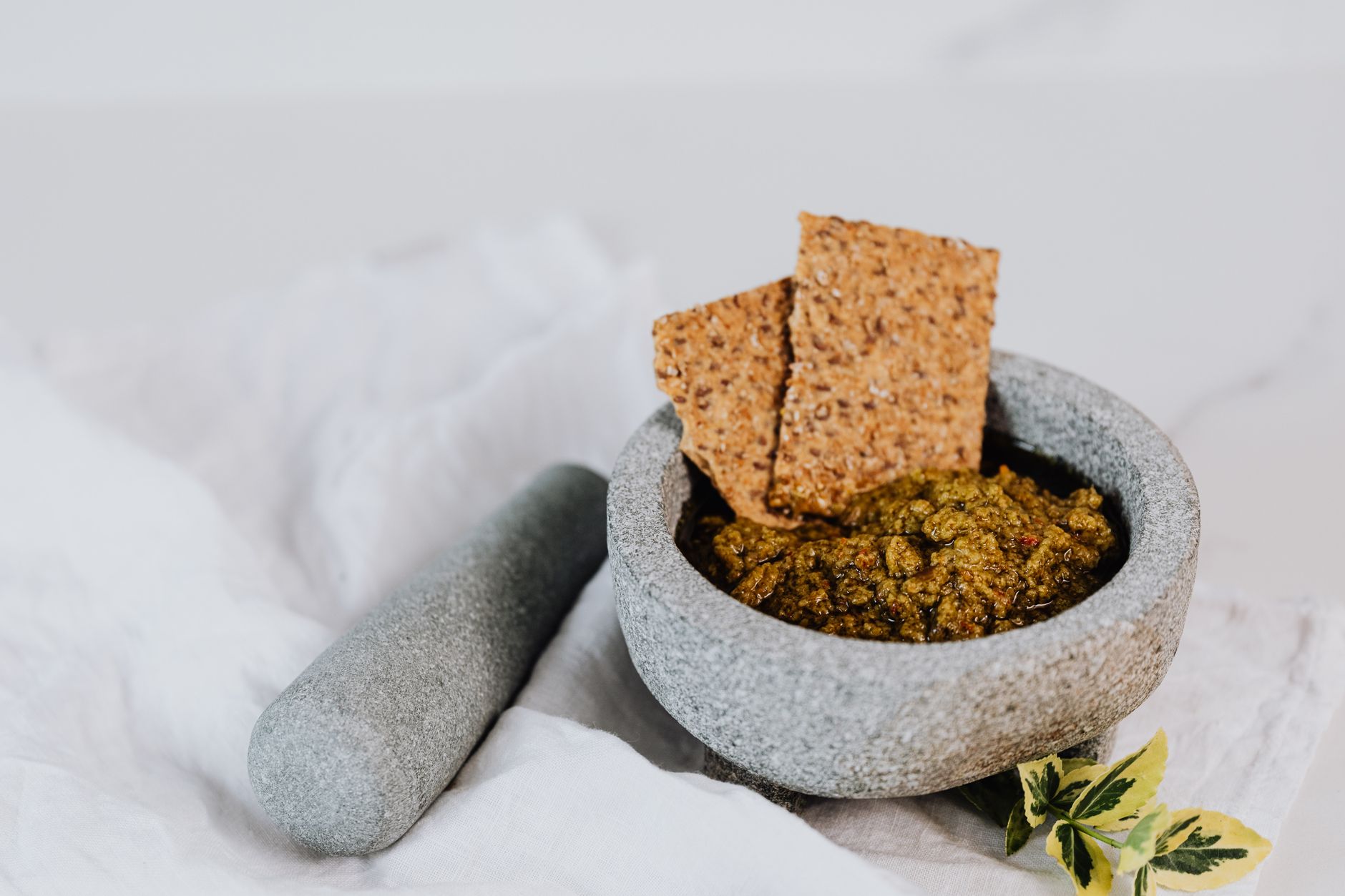
Pesto sauce is a vibrant, flavorful Italian condiment that has captured the hearts and taste buds of food lovers worldwide. Traditionally made from a blend of fresh basil, garlic, pine nuts, Parmesan cheese, and olive oil, this sauce is not only delicious but also incredibly versatile, enhancing a variety of dishes from pasta to sandwiches.
In this article, we’ll explore the ingredients that make up pesto, its unique flavor profile, and some creative ways to serve and enjoy this delightful sauce. Whether you’re a seasoned chef or a culinary novice, understanding pesto will elevate your meal offerings.
What Is Pesto Sauce?
Pesto sauce is a green sauce originating from Genoa, Italy, which is made by crushing or grinding together fresh basil leaves, garlic, and toasted pine nuts, then emulsifying them with olive oil and Parmesan cheese. The name “pesto” comes from the Italian word “pestare,” which means to pound or crush, referring to the traditional method of preparation using a mortar and pestle.
Ingredients That Make Up Pesto Sauce
The key ingredients in traditional pesto sauce each play a crucial role in developing its characteristic taste and texture. Here’s a deeper look at each component:
- Basil: Fresh basil is the star ingredient, providing the sauce with its vibrant green color and distinctive herbaceous flavor. Genovese basil is preferred for its sweetness and aroma.
- Garlic: Raw garlic adds a pungent kick that balances the sweetness of the basil. It’s essential to use fresh garlic for the best flavor.
- Pine Nuts: Toasted pine nuts contribute a rich, nutty flavor and creamy texture. They also help bind the sauce together.
- Parmesan Cheese: Grated Parmesan adds a savory, salty element to the sauce, giving it depth and richness. For a stronger flavor, Pecorino Romano cheese can be used.
- Olive Oil: Extra virgin olive oil is the preferred fat for pesto. It provides smoothness, richness, and a fruitiness that enhances the overall flavor of the sauce.
The Flavor Profile of Pesto
The flavor of pesto sauce is a delightful medley of sweet, savory, nutty, and aromatic notes. The fresh basil brings herbal freshness, while the garlic offers spicy undertones. Pine nuts add richness and creaminess, while the Parmesan imparts a sharpness that enhances the overall flavor. When combined in the right proportions, these ingredients create a balanced sauce that can be both robust and delicate.
How to Make Pesto Sauce
Making pesto sauce at home is simple and can be done in a matter of minutes. Here is a basic recipe for traditional basil pesto:
Yield, Time, and Equipment
Yields: About 1 cup of pesto sauce
Preparation Time: 10 minutes
Cooking Time: No cooking required
Essential Equipment: Chef’s knife, food processor or mortar and pestle, measuring cups, and spoons.
Ingredients
- 2 cups fresh basil leaves, tightly packed
- 2 cloves garlic, peeled
- 1/3 cup pine nuts, lightly toasted
- 1/2 cup grated Parmesan cheese
- 1/2 cup extra virgin olive oil
- Salt and pepper, to taste
Method
- Start by combining the basil leaves, garlic, and toasted pine nuts in a food processor. Pulse until coarsely chopped.
- Add the grated Parmesan cheese and pulse a few more times to combine.
- With the processor running, slowly drizzle in the olive oil until the mixture is well blended and creamy. Scrape down the sides as necessary.
- Season the pesto with salt and pepper to taste.
- If you prefer a more traditional method, you can use a mortar and pestle to grind the basil, garlic, and pine nuts into a paste before adding the cheese and oil.
Variations of Pesto Sauce
Pesto sauce is versatile, and many variations can cater to different tastes or dietary preferences. Here are a few popular alternatives:
- Sun-Dried Tomato Pesto: Replace basil with sun-dried tomatoes for a tangy, rich twist.
- Spinach Pesto: Use fresh spinach instead of basil, offering a milder flavor and more nutrients.
- Nut-Free Pesto: Omit nuts and use sunflower seeds or nutritional yeast for a nut-free version.
- Pistachio Pesto: Substitute pine nuts with pistachios for a unique flavor.
Common Mistakes When Making Pesto
While making pesto is straightforward, beginners might face some challenges. Here are common mistakes to avoid:
- Using Stale Ingredients: Always use fresh basil and high-quality olive oil for the best flavor.
- Over-blending: Blending for too long can turn the pesto mushy instead of keeping some texture. Pulse until combined, but avoid overmixing.
- Skipping Toasting Nuts: Toasting pine nuts brings out their flavor, so don’t skip this step.
How to Serve Pesto Sauce
Pesto sauce’s versatility makes it an excellent addition to various dishes. Here are some serving suggestions:
- Pasta: Toss with cooked pasta for a quick, flavorful meal. Pesto pairs especially well with spaghetti, linguine, or tortellini.
- Sandwiches and Wraps: Spread pesto on sandwiches or wraps for added flavor, especially with turkey, chicken, or roasted vegetables.
- Pizza: Use pesto as a base sauce for pizza instead of traditional marinara.
- Dips and Spreads: Serve pesto as a dip for fresh bread, vegetables, or crackers.
Storing Pesto Sauce
Pesto sauce is best enjoyed fresh but can be stored for later use. Here are some guidelines:
- Refrigeration: Store in an airtight container in the refrigerator for up to a week. A thin layer of olive oil on top can help protect against oxidation and browning.
- Freezing: For longer storage, pesto can be frozen. Place in ice cube trays and freeze. Once solid, transfer the cubes to a freezer bag for easy portioning.
- Thawing: When ready to use, thaw in the refrigerator or at room temperature before serving.
Nutritional Considerations
While pesto sauce can be a nutritious addition to meals, it is essential to enjoy it in moderation. Made primarily from olive oil, nuts, and cheese, it is calorie-dense and high in fats. However, it also contains beneficial antioxidants, vitamins, and minerals, mainly derived from basil and garlic.
Dietary Restrictions and Substitutions
For those with dietary preferences or restrictions, pesto can easily be adapted. Here are some substitutions to consider:
- Dairy-Free: Substitute nutritional yeast for Parmesan cheese to maintain flavor without dairy.
- Nut Allergies: Replace pine nuts with seeds like sunflower or pumpkin seeds, providing a similar texture without allergens.
- Vegan: Use plant-based Parm alternatives or nutritional yeast instead of cheese for a vegan option.
Exploring Pesto Beyond the Basics
Pesto is more than just a pasta sauce. Here are some unique ways to incorporate it into your cooking:
- Vinaigrettes: Whisk pesto with vinegar and additional oil to create a flavorful salad dressing.
- Grain Bowls: Drizzle over grains like quinoa or farro for added depth of flavor.
- Soups: Swirl into soups as a striking garnish or flavor enhancer.
Conclusion
Pesto sauce is a delightful and versatile condiment that enhances a wide range of dishes with its fresh flavors and vibrant color. By understanding its ingredients and exploring various serving methods, you can integrate pesto seamlessly into your meals. Experiment with different nut and herb combinations to find your perfect homemade pesto.
For more delicious recipes, check out our pesto recipe without pine nuts or try making a unique pistachio pesto. Embrace the magic of pesto and elevate your cooking today!