
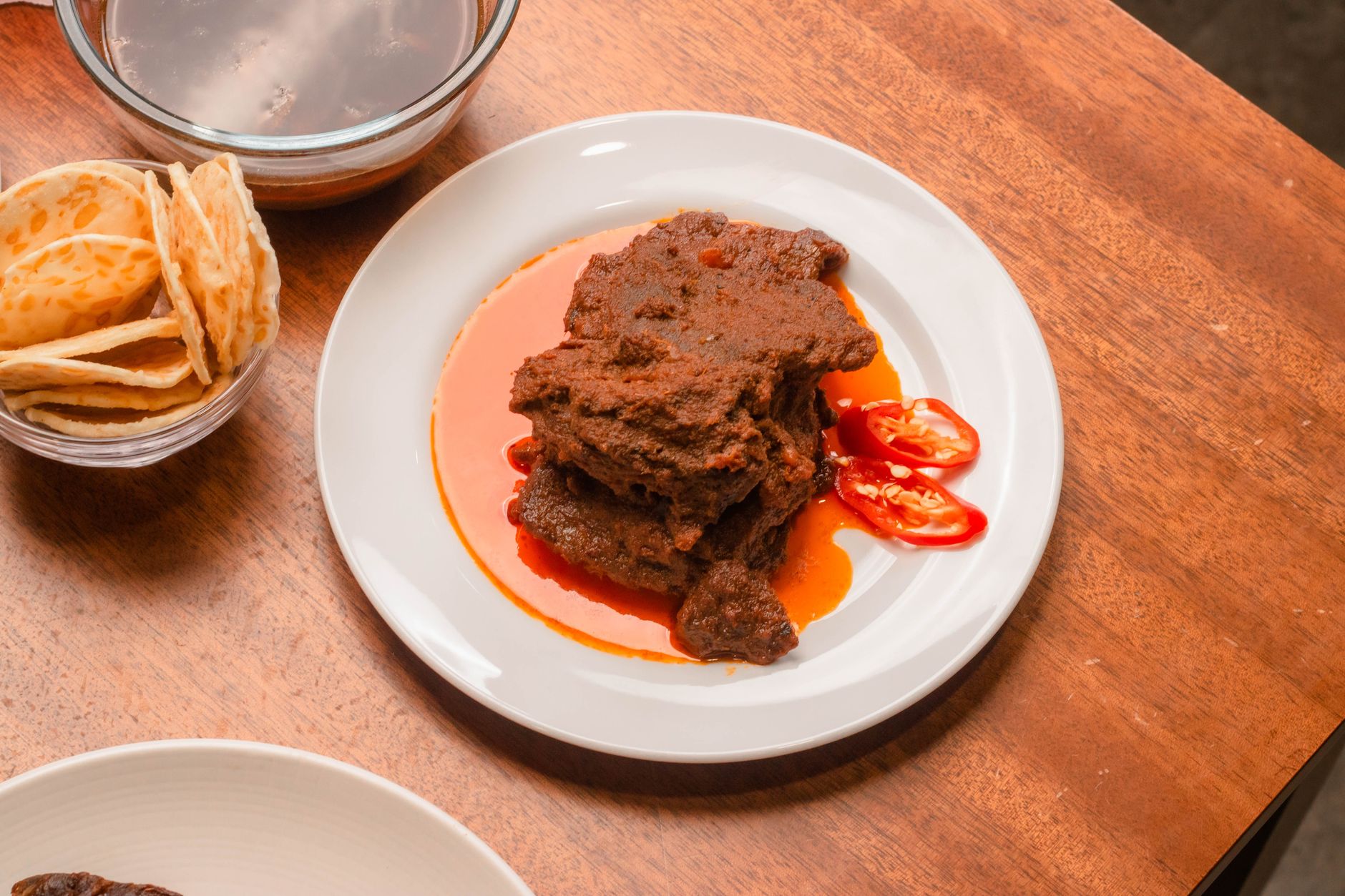
Pepian is a traditional Guatemalan dish that blends rich flavors and textures, resulting in a delightful culinary experience that celebrates Central American heritage. This hearty stew varies by region, but it typically features chicken, beef, or pork simmered in a vibrant sauce made from roasted tomatoes, spices, and a variety of seeds.
The complexity of Pepian’s flavor profile comes from its aromatic blend of ingredients, including vegetables, chili peppers, and nuts, which create a depth of flavor that captivates the palate. Understanding the components, preparation, and service of Pepian can help you recreate this cultural treasure in your kitchen.
What Is Pepian?
Pepian is a traditional stew from Guatemala, often regarded as a national dish. It is characterized by its thick, spicy sauce made from ingredients that are roasted and ground to achieve a unique flavor. The dish showcases the culinary influences of indigenous Mayan culture, blended with Spanish elements, creating a stew that reflects the rich history of the region.
Ingredients of Pepian
The ingredients in Pepian can vary, but a typical recipe may include the following:
- Meat: Chicken, beef, or pork (or a combination of these)
- Tortillas: Corn tortillas, for thickening
- Tomatoes: Fresh or roasted tomatoes to create the base
- Chili peppers: Varieties such as guajillo, pasilla, or árbol for heat
- Garlic: Fresh garlic cloves for flavor
- Onions: Chopped onions enhance the sauce
- Seeds: Pumpkin and sesame seeds add texture
- Spices: Cumin, allspice, and oregano for aromatic depth
- Leafy greens: Cilantro and/or other herbs for garnish
- Broth: Chicken or beef broth to achieve desired consistency
The Flavor Profile of Pepian
Pepian is known for its complex flavors, combining spiciness, sweetness, and earthiness. The roasting process intensifies the natural flavors of the ingredients, creating a deep, rich base for the stew. The balance of chili peppers offers heat while the seeds provide a nutty complement. The use of fresh herbs brightens the dish and adds freshness.
How to Prepare Pepian
Making Pepian involves several steps that build layers of flavor. Here’s a detailed guide to help you create this dish:
Essential Equipment
- Large heavy-bottomed pot or Dutch oven
- Blender or food processor
- Cutting board and knife
- Measuring cups and spoons
- Wooden spoon
Preparation Steps
- Prepare the ingredients: Chop your meat into bite-sized pieces, dice the onions and garlic, and roast the tomatoes and chili peppers. Roasting enhances their flavors and adds depth to the sauce.
- Toast the seeds: In a dry skillet, toast the pumpkin seeds (pepitas) and sesame seeds over medium heat until golden brown and fragrant. Set aside to cool.
- Make the sauce: In a blender, combine the roasted tomatoes, toasted seeds, garlic, and chili peppers. Blend until the mixture is smooth and consistent. You may add a little broth to reach your desired consistency.
- Brown the meat: In a large pot, heat olive oil over medium heat. Add the chopped onions and sauté until translucent. Then add the meat, browning each piece on all sides for enhanced flavor.
- Add the sauce: Once the meat is browned, pour the blended sauce over the meat in the pot. Stir to combine and let simmer. Add broth as necessary to adjust consistency.
- Season: Add cumin, oregano, and allspice to the pot. Allow the dish to simmer for 30-45 minutes, allowing the flavors to meld and the meat to become tender.
- Adjust and serve: Taste the Pepian and adjust the seasoning as needed. Garnish with chopped cilantro or other herbs before serving.
Common Mistakes When Making Pepian
Even seasoned cooks can make mistakes when preparing Pepian. Here are common pitfalls and how to avoid them:
- Overcooking the meat: Ensure that the meat is tender but not falling apart. Keep an eye on cooking times.
- Under-roasting ingredients: Roasting builds flavor. Ensure that tomatoes and chili peppers are well-cooked before blending.
- Ignoring spice balance: Adjust spices gradually and taste as you go. This ensures a harmonious blend without overpowering heat or earthiness.
Variations of Pepian
Pepian can vary greatly depending on the region and personal preferences. Here are some popular variations you might encounter:
- Pepian de Pollo: Chicken-based Pepian, often featuring a blend of spices and vegetables.
- Pepian de Res: Beef Pepian, which may include additional ingredients such as root vegetables like potatoes or carrots.
- Vegetarian Pepian: A plant-based version made with veggies and meat substitutes, using the same sauce for flavor.
- Pepian de Cerdo: Pork variations are also common, utilizing both the meat and crackling for texture.
How to Serve Pepian
Pepian is commonly served with accompanying dishes that enhance the overall experience. Here’s how to present your Pepian:
- Fresh Corn Tortillas: Serve with warm corn tortillas for scooping up the stew.
- Rice: A side of white rice can complement the flavors and help balance the heat.
- Cilantro Garnish: Sprinkle freshly chopped cilantro on top for a burst of freshness.
- Sliced Avocado: Sliced avocado can add creaminess to the dish.
Storage and Reheating Tips
If you have leftovers, proper storage and reheating will maintain the flavor and texture of your Pepian:
- Storage: Store Pepian in an airtight container in the refrigerator for up to 3-4 days. For longer storage, it can be frozen in appropriate containers for up to 3 months.
- Reheating: Reheat on the stovetop over medium-low heat, adding a splash of broth or water to thin it if needed.
Final Thoughts on Pepian
Pepian is more than just a dish; it’s a representation of Guatemalan culture and a testament to the rich culinary heritage of Central America. The process of creating Pepian—roasting, blending, and simmering—marks every cook’s journey as they blend vibrant flavors to create a comforting meal.
As you explore Pepian, remember that each cook may put their unique spin on the recipe, which makes it a living tradition. Try experimenting with different meats, spices, or vegetables to discover your favorite version.
For those wishing to venture into Central American cuisine, exploring dishes beyond Pepian, such as tamales or garnaches, will provide a fuller understanding of this rich culinary landscape.
Discover more about cooking techniques and regional flavors to enhance your culinary repertoire. Whether you’re looking for ingredient guides, cooking tips, or regional recipes, the journey into the world of food is endless. Explore more recipes and guides to enrich your cooking experience.