
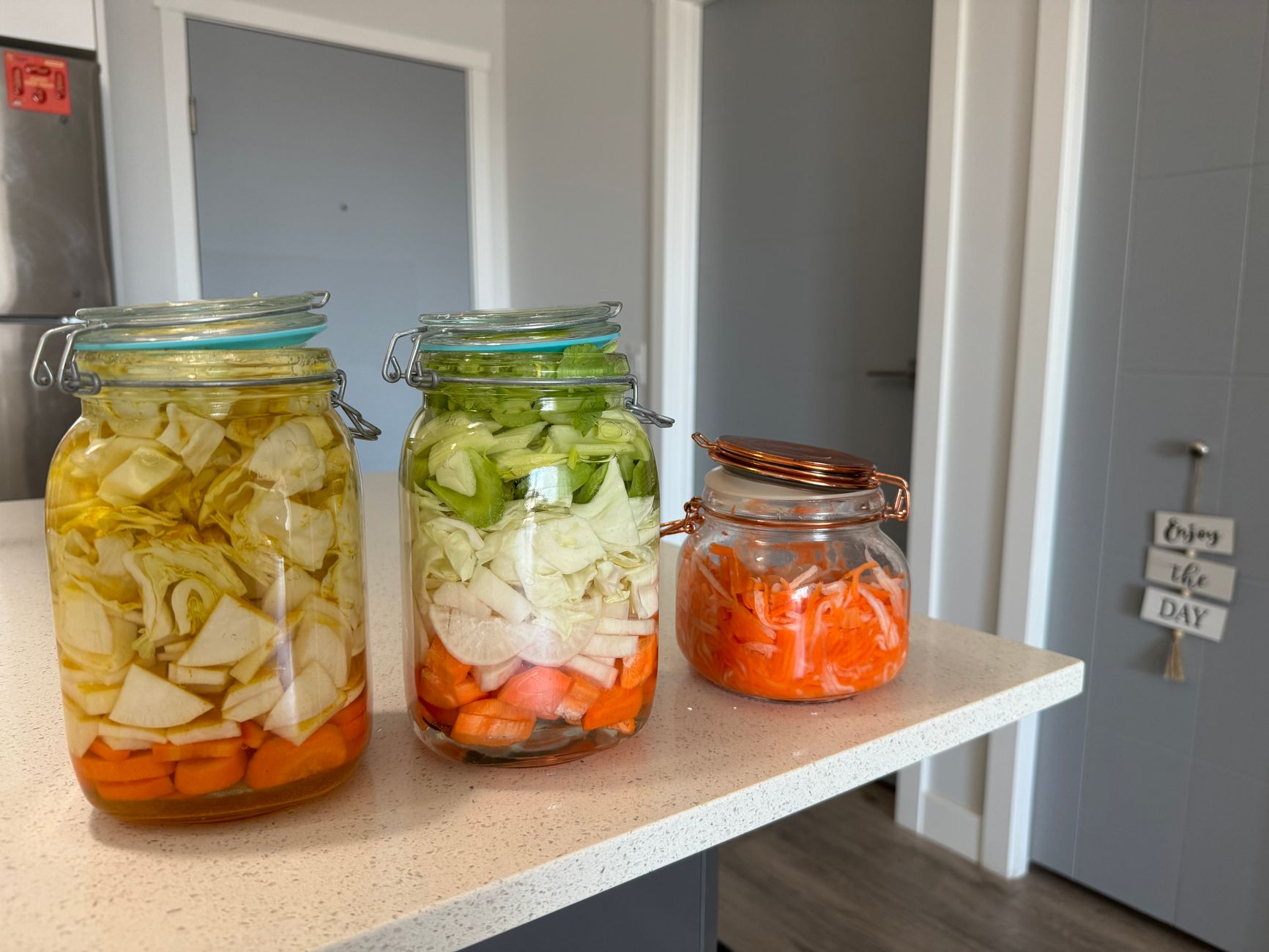
Oshinko is a traditional Japanese pickled vegetable dish often served as a side dish or garnish in Japanese cuisine. Its vibrant colors, crunchy texture, and tangy flavor make it a delightful addition to many meals. This article delves into the ingredients and types of oshinko, its flavor profile, and how to serve it, elevating both casual and formal dining experiences.
Whether you are looking to enhance a bento box, add a refreshing note to a ramen dish, or simply explore new flavors in your meals, understanding oshinko can open up a world of culinary enjoyment. Below, we explore everything you need to know about this delightful pickled delicacy.
What Is Oshinko?
Oshinko refers to a variety of Japanese pickled vegetables that are typically enjoyed as a condiment or side dish. Although the specific vegetables and pickling methods can vary widely, oshinko is generally known for its bright colors, unique textures, and a blend of sweet and salty flavors. This dish can range from mildly sweet to tangy, making it a refreshing palate cleanser amidst richer dishes.
The Ingredients of Oshinko
The key ingredients in oshinko primarily consist of seasonal vegetables, salt, rice vinegar, and sugar. Here’s a closer look at common vegetables used in making oshinko:
- Daikon Radish: A popular choice for oshinko, daikon radish is crisp and juicy. It can be sliced into rounds or grated, and it takes well to pickling.
- Cucumbers: Crisp cucumbers add a refreshing crunch, making them ideal for quick pickling.
- Carrots: The sweetness and vibrant color of carrots make them a fantastic addition to oshinko blends.
- Eggplant: Japanese eggplant can be pickled to enhance its flavor profile, providing a unique taste and texture.
- Shiso Leaves: These aromatic leaves can be pickled along with other vegetables, adding a distinctive minty flavor.
- Radishes: Smaller varieties, such as shunkyo radishes, can also be used, offering a peppery kick.
Additional Ingredients
Beyond the primary vegetables, other ingredients may include:
- Salt: Essential for drawing out moisture from the vegetables and promoting fermentation.
- Rice Vinegar: This key ingredient imparts a gentle acidity and enhances the overall flavor.
- Sugar: Often included to balance the saltiness of the pickling brine.
- Chili Peppers: For those who enjoy a kick, adding chili can provide a spicy finish.
- Sesame Oil: Occasionally used for added richness and aroma.
Flavor Profile of Oshinko
The flavor of oshinko can vary based on the ingredients used and the pickling method. Generally, it is known for:
- Sweetness: Often, a hint of sweetness from sugar balances the saltiness of the pickled vegetables.
- Saltiness: This is essential for preservation and flavor, usually derived from the salt used in the pickling process.
- Acidity: The rice vinegar brings a refreshing tang that cuts through rich dishes.
- Crunchiness: A hallmark of fresh pickles, providing a satisfying texture contrast.
Types of Oshinko
Oshinko encompasses a variety of pickled vegetables, each with its unique preparation and flavor. Here are a few common types:
- Umeboshi: A type of pickled plum, umeboshi is salty and sour, often used as a rice topping.
- Nasu no Oshinko: Pickled eggplant, usually flavored with rice vinegar and sugar, providing a sweet and slightly tangy taste.
- Kuzukiri: A type made with grated daikon radish that has been lightly salted and pickled, resulting in a milder flavor.
- Beni Shoga: Pickled ginger, usually bright red and tangy, it often accompanies sushi dishes, enhancing the flavors.
How to Serve Oshinko
Oshinko can be served in several ways, enhancing various dishes and meals. Here’s how to enjoy it:
- As a Side Dish: Serve oshinko alongside rice, grilled fish, or meat dishes to provide a refreshing contrast.
- In Bento Boxes: Its vibrant colors and varied textures make oshinko an attractive and delicious component of a bento lunch.
- With Noodle Dishes: Pair oshinko with ramen or soba noodles to add a crunchy texture.
- On Sushi: Use oshinko as a garnish or a filling for sushi rolls, enhancing the overall flavor profile.
- In Salads: Mix oshinko into salads for an added crunch and burst of flavor.
How to Make Oshinko at Home
Cooking oshinko at home is quite simple, and you can customize it according to your taste preferences. Here’s a straightforward method to prepare a basic oshinko using daikon radish.
Ingredients
- 1 medium daikon radish
- 2 tablespoons sea salt
- 1/2 cup rice vinegar
- 1 tablespoon sugar
- Optional: 1 teaspoon chili flakes or sliced chili peppers for heat
Equipment
- Sharp knife
- Cutting board
- Mixing bowl
- Glass jar with a lid for pickling
Instructions
- Begin by rinsing the daikon radish under cold water. Peel the outer skin and slice it into thin rounds or julienne strips according to your preference.
- In a mixing bowl, combine the daikon slices with sea salt. Toss well to ensure all pieces are coated. Allow the daikon to sit for about 30 minutes to extract excess moisture.
- After 30 minutes, drain any liquid that has accumulated in the bowl. Rinse the daikon under cold water to wash away the excess salt.
- In a separate bowl, mix rice vinegar and sugar until the sugar is fully dissolved. For an extra kick, add chili flakes or peppers at this stage.
- Combine the daikon and the vinegar mixture in a glass jar. Ensure the daikon is fully submerged in the brine.
- Seal the jar tightly and refrigerate for at least 24 hours, allowing the flavors to meld. For a deeper flavor, let it pickle for up to a week.
Common Mistakes and Troubleshooting
While making oshinko is relatively simple, here are some common pitfalls and tips for troubleshooting:
- Using Excessive Salt: Salt helps to draw out moisture and preserve the vegetables. However, too much salt can dominate the flavor. Taste as you go, adjusting salt to your preference.
- Insufficient Curing Time: Allowing your oshinko to cure at least 24 hours is crucial for flavor development. Patience is key!
- Not Using Fresh Vegetables: Ensure the vegetables are fresh to achieve the best texture and flavor, as old or wilted produce will not pickle well.
Storage Guidelines for Oshinko
Proper storage of oshinko is crucial for maintaining its flavor and texture:
- Store oshinko in an airtight glass jar in the refrigerator to keep its crunchiness.
- Consume within a month for the best flavor. While it may last longer, the texture may begin to soften over time.
- Do not use metal containers, as the vinegar can react with the metal, altering the flavor.
Variations of Oshinko
There are many variations of oshinko, catering to different tastes and seasonal ingredients. Here are some ideas to diversify your oshinko:
- Mix of Vegetables: Combine different vegetables such as cucumbers, carrots, and daikon for a colorful mix.
- Herb Flavors: Incorporate herbs like shiso or dill to add unique flavors.
- Sweet Variations: Adjust sugar levels or add honey for a sweeter version, making it suitable for children.
- Spicy Options: Add more chili peppers or use spicy seasoning blends for a heated twist on traditional oshinko.
Common Uses of Oshinko in Japanese Cuisine
Oshinko is not just a side dish; it plays a pivotal role in enhancing various Japanese meals:
- Bento Lunches: Oshinko adds color and flavor, making bento meals more visually appealing and nutritious.
- Accompanying Sake: It serves as a palate cleanser, balancing the flavors of different sake types.
- In Sushi Rolls: Oshinko can be included as a filling, enhancing the umami experience.
- With Grilled Dishes: Pair oshinko with grilled meats or fish to add a refreshing note to rich flavors.
Conclusion
Oshinko is a versatile and essential part of Japanese culinary tradition, offering delightful textures and flavors that complement a variety of dishes. With its straightforward recipe, you can easily make this refreshing pickle at home, providing both a palate refresher and a burst of color on your plate. Dive into making your own oshinko and explore the myriad ways it can enhance your meals.
For more cooking tips, explore our guides on substituting rosemary and learn about which ingredients make up molasses. Enhance your culinary knowledge today!