
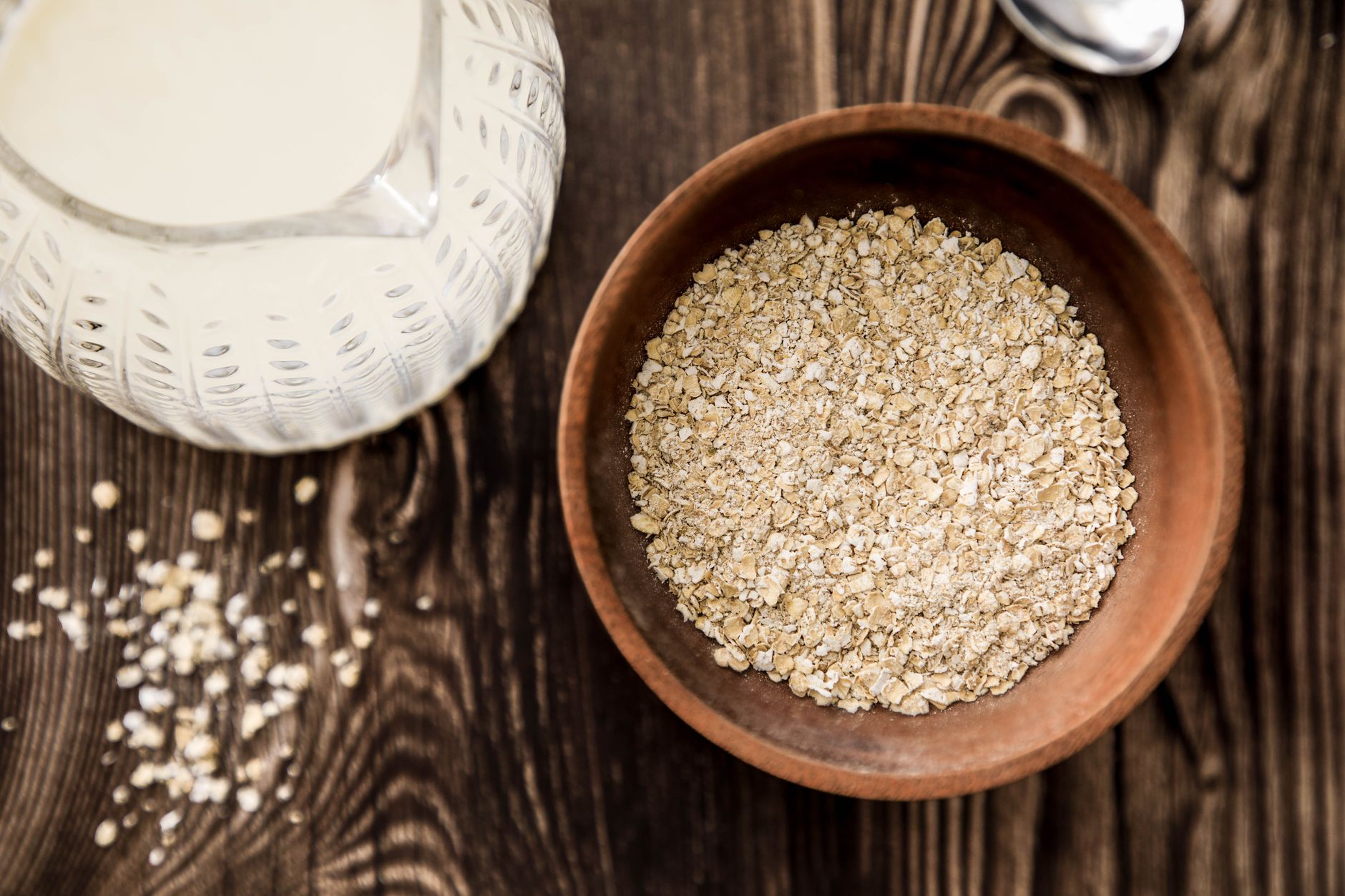
Oats are a versatile, nutritious whole grain commonly used in various dishes, snacks, and breakfast items. Packed with fiber, vitamins, and minerals, they are excellent for both health enthusiasts and casual eaters alike. Understanding what oats are, their flavors, uses, and how best to serve them can elevate your culinary experience.
This article delves into the characteristics of oats, different types and their flavors, ways to serve them, and some tips for incorporating them into your meals.
What Is Oat?
Oats are whole grains harvested from the Avena sativa plant. They are usually processed into various forms, including rolled oats, steel-cut oats, and instant oats. Oats are known for their nutty flavor and chewy texture, making them a popular choice in breakfast preparations and snacks.
Rich in dietary fiber, particularly beta-glucan, oats support heart health, promote healthy digestion, and can aid in weight management due to their satiety-inducing properties. They also provide essential nutrients such as B vitamins, iron, magnesium, and antioxidants.
Types of Oats
Oats come in several forms, each varying in texture, cooking time, and culinary uses. Understanding these differences can help you choose the right type for your needs.
1. Whole Oats
Whole oats are the least processed form of the grain. They contain all parts of the grain, including the bran, germ, and endosperm. This form, while rarer and less commonly found in grocery stores, provides maximum nutritional benefits.
2. Rolled Oats
Rolled oats, also known as old-fashioned oats, are steamed and then flattened with large rollers. This process helps the oats cook faster while still retaining a chewy texture. Rolled oats are ideal for oatmeal, granola bars, and cookies.
3. Steel-Cut Oats
Steel-cut oats are whole oats that have been chopped into pieces with steel blades. They have a coarse, chewy texture and take longer to cook than rolled oats, usually about 20 to 30 minutes. Steel-cut oats are perfect for hearty breakfast bowls and can also stand up well to savory toppings.
4. Instant Oats
Instant oats are pre-cooked and dried, allowing them to cook in just a moment when mixed with hot water. These oats often come in flavored varieties; however, they may contain added sugars and preservatives. Instant oats are convenient for quick breakfasts but generally offer less texture compared to rolled or steel-cut oats.
5. Oat Flour
Oat flour is made from ground oats and provides a gluten-free alternative to traditional flour. It can be used for baking and in recipes that require a lighter texture. Oat flour can also help to enhance the flavor of baked goods.
Flavor Profile of Oats
Oats have a naturally mild and nutty flavor, making them suitable for both sweet and savory applications. When cooked, they typically absorb flavors from added ingredients, making them highly adaptable.
Steel-cut oats and rolled oats provide a heartier, chewier texture, which is ideal for savory preparations, while instant oats tend to have a softer, creamier quality. The versatility of oats allows them to pair well with a wide range of ingredients, from fruits and nuts to spices and savory components like eggs and vegetables.
How to Serve Oats
There are numerous ways to enjoy oats, whether as a breakfast staple, in baked goods, or as a component of snacks. Here are some ideas for serving oats in your meals.
1. Oatmeal
Oatmeal is the most popular way to serve oats. Cooking rolled or steel-cut oats with water or milk results in a creamy, hot breakfast option. Customize oatmeal by adding toppings such as:
- Fruits (bananas, berries, apples)
- Nuts and seeds (almonds, walnuts, chia seeds)
- Sweeteners (honey, maple syrup, brown sugar)
- Spices (cinnamon, nutmeg, vanilla extract)
2. Overnight Oats
Overnight oats require no cooking. Simply combine rolled oats with yogurt or milk and desired toppings in a container. Let the mixture sit in the refrigerator overnight, allowing the oats to soak and soften. In the morning, enjoy them cold or heated.
3. Oat Smoothies
Oats can be blended into smoothies to add creaminess and fiber. For a nutrient-packed smoothie, blend
- 1/2 cup of rolled oats
- Your choice of fruits (bananas, berries, etc.)
- 1 cup of yogurt or milk
- Sweeteners as desired
The oats can be added directly for a smooth texture or pre-soaked for a softer consistency.
4. Cookies and Baked Goods
Oats can be used in various baked goods such as cookies, muffins, and loaves. Classic oatmeal cookies combine oats with chocolate chips or raisins for a chewy treat. Oat flour can also replace traditional flour in many recipes, contributing to both flavor and nutrition.
5. Savory Dishes
Oats can serve as a base for savory meals. For instance, use steel-cut oats to create a hearty bowl topped with eggs, vegetables, and spices. You can also prepare oat risotto or savory porridge, enhancing the dish with your preferred herbs and protein.
6. Energy Bars and Granola
Combine oats with honey, nut butter, and other mix-ins to make energy bars. These no-bake bars provide a nutritious snack option. Similarly, oats are a core ingredient in homemade granola, which can be customized with various nuts, seeds, and dried fruits.
Practical Cooking Tips
The process of cooking oats is straightforward, but there are techniques to ensure the best results. Here are some practical cooking tips to consider:
1. Measuring
When preparing oats, measure accurately. Generally, the standard ratio for cooking oats is:
- Rolled oats: 1 cup oats to 2 cups water or milk
- Steel-cut oats: 1 cup oats to 4 cups water or milk
Adjust liquids for creaminess based on your preference.
2. Soaking
Soaking oats overnight reduces cooking time and enhances digestibility. This is especially useful for steel-cut oats, which benefit from pre-soaking to shorten the cook time.
3. Cooking Methods
Oats can be prepared using various methods:
- Stovetop: Combine oats and liquid in a saucepan, bring to a boil, reduce heat, and simmer until desired consistency is reached.
- Microwave: In a microwave-safe bowl, combine oats with water or milk and microwave in intervals, stirring frequently.
- Slow cooker: Set oats with a larger quantity of liquid in a slow cooker and let them cook on low for several hours.
4. Flavoring Oats
Experiment with spices, extracts, and additional ingredients to enhance the flavor. Consider adding:
- Vanilla or almond extract
- Cocoa powder for chocolate flavor
- Diced fruits or dried fruits for natural sweetness
5. Common Mistakes
Here are some pitfalls to avoid while cooking oats:
- Using too much water can lead to runny oatmeal.
- Not stirring oats while cooking can result in clumping.
- Skipping the soaking process can make steel-cut oats chewy and hard.
Storage and Reheating
Storing cooked oats properly is essential for maintaining their quality. Follow these storage guidelines:
1. Cooked Oats
Refrigerate cooked oats in an airtight container for up to 5 days. Reheat in the microwave or on the stovetop, adding a splash of water or milk for moisture.
2. Uncooked Oats
Store uncooked oats in a cool, dry place, preferably in an airtight container to protect them from moisture and pests. Depending on the type, they can last several months or even longer.
Substitutions and Variations
Oats are highly adaptable and can be substituted in various recipes. Here are some common substitutions:
- Oat flour for all-purpose flour: Use a 1:1 ratio for recipes that need a lighter texture, keeping in mind it may enhance the nuttiness.
- Rolled oats for quick oats: For recipes that require a coarser texture, rolled oats can replace quick oats at a ratio of 1:1. Adjust cooking time accordingly.
- Non-dairy alternatives: Use almond milk, coconut milk, or any plant-based milk instead of cow’s milk for a dairy-free option.
Nutrition Facts of Oats
While precise nutritional values depend on the type and preparation of oats, they are generally low in calories and high in essential nutrients. A typical serving of 1 cup of cooked oats provides:
- Calories: Around 150
- Protein: Approximately 6 grams
- Fiber: About 4 grams
- Iron: Minimal amounts, with higher concentrations in whole oats
Oats are also free from gluten, making them a suitable option for individuals with gluten sensitivities, although cross-contamination can occur, so it’s essential to select certified gluten-free oats if necessary.
Conclusion
Oats are not just a breakfast staple but also a remarkably versatile ingredient that can be integrated into numerous culinary creations. From hearty oatmeal bowls to delightful cookies and savory dishes, they provide a wealth of nutritional benefits while allowing for creativity in the kitchen. Explore the various types of oats, experiment with flavors, and enjoy the endless possibilities oats have to offer.
For related recipes, check out our recipes for Oatmeal Cream Pie and Protein Granola to incorporate the goodness of oats into your meals.