
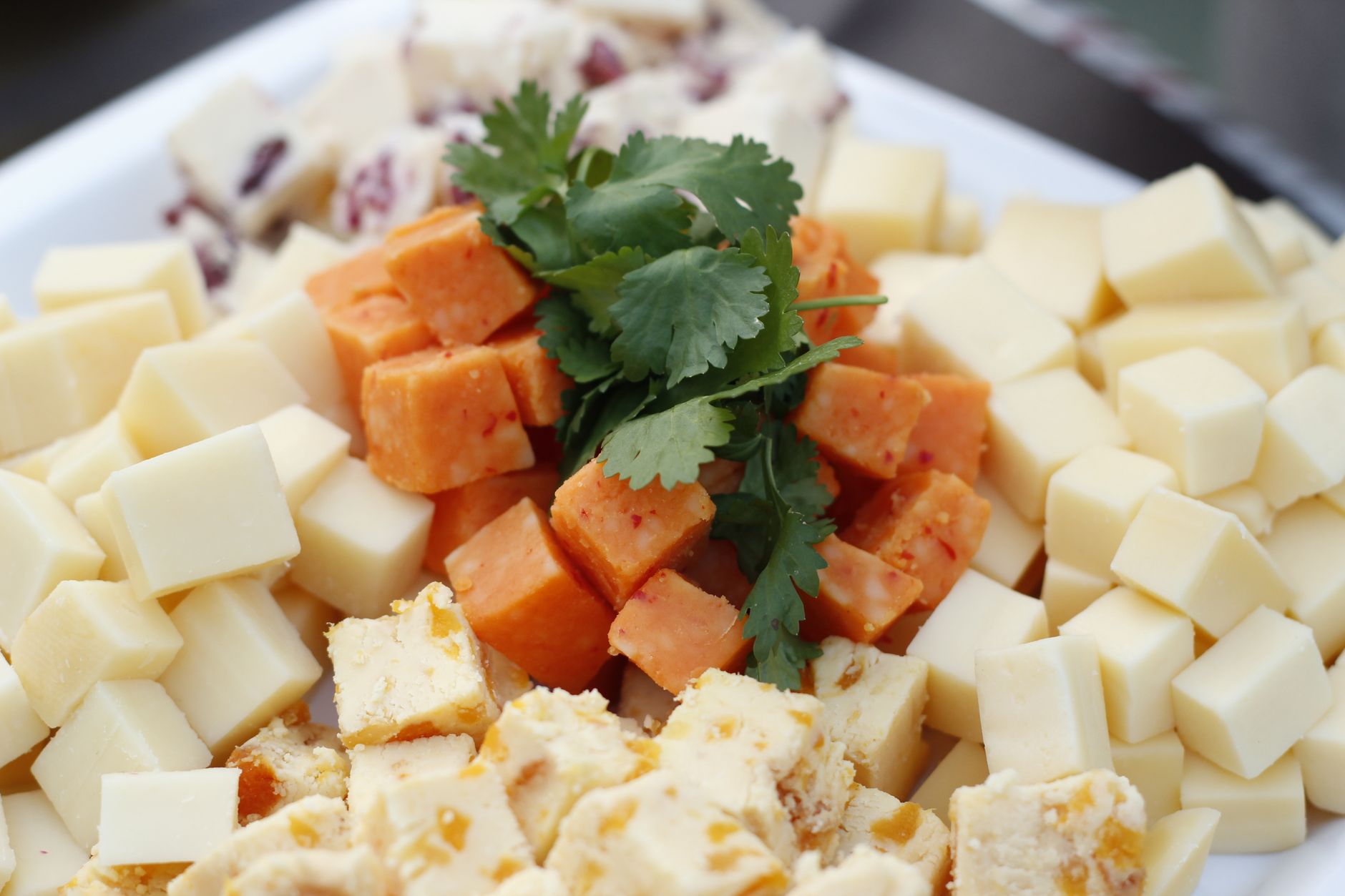
Non-dairy cheese has become increasingly popular among those looking for alternatives to traditional cheese. Made without any animal products, it provides a flavor and texture profile that appeals to vegans, lactose-intolerant individuals, and anyone interested in exploring plant-based options.
This article will delve into the ingredients that constitute non-dairy cheese, their culinary uses, and how to select or make your versions. Whether you’re new to this innovative food option or looking to expand your culinary repertoire, there’s a lot to discover about non-dairy cheeses.
What Is Non Dairy Cheese Made Of?
Non-dairy cheese is primarily made from various plant-based ingredients. Common bases include nuts, seeds, soy, and coconuts, often combined with fermented ingredients, flavorings, and thickeners. These components work together to mimic the taste, texture, and meltability of traditional cheese.
The Basic Ingredients of Non-Dairy Cheese
The primary ingredients found in non-dairy cheese vary greatly depending on the specific type and desired characteristics. Below, we explore the foundational components.
Nuts and Seeds
Nuts and seeds form the basis of many non-dairy cheeses, contributing creaminess and richness.
- Cashews: Often used for spreadable cheeses, cashews can be soaked and blended into a smooth, creamy texture.
- Almonds: These can provide a slightly nutty flavor and work well in both soft and hard cheese alternatives.
- Pumpkin Seeds: They add a unique flavor and are a great base in nut-free options.
- Hemp Seeds: Rich in nutrients, hemp seeds can give a creamy texture and subtle earthiness.
Starches and Thickeners
To achieve the desired consistency and texture, certain thickeners and starches are commonly added.
- Agar-Agar: A gelatinous substance derived from seaweed, it helps in setting cheese analogs.
- Arrowroot Powder: Typically used as a thickening agent, it helps in achieving a creamy texture.
- Potato Starch: A popular ingredient for providing a stretchy, melting quality in shredded cheese products.
Fermented Ingredients
Some non-dairy cheeses are fermented to enhance flavor and provide probiotics.
- Probiotic Cultures: Similar to those used in yogurt, these can lend a tangy flavor reminiscent of aged cheese.
- Apple Cider Vinegar: Often added to give a hint of acidity, balancing out flavors.
- Nutritional Yeast: This ingredient imparts a cheesy, umami flavor, making it popular in many recipes.
Flavorings and Additives
Flavorings play a vital role in enhancing the taste of non-dairy cheese.
- Herbs & Spices: Basil, garlic, and smoked paprika can add depth and interest.
- Coconut Cream: Used for a rich texture and sweetness, especially in dessert cheeses.
- Salt: Essential for enhancing overall flavor.
Popular Types of Non-Dairy Cheese
Non-dairy cheese comes in various forms, each with distinct flavor profiles and ingredient combinations. Here are some popular types:
Spreadable Cheese
Made from blended nuts or seeds, spreadable non-dairy cheese is creamy and perfect for serving with crackers or on a bagel. Commonly, cashew cream cheese is flavored with garlic, chives, or dill for a delicious spread.
Shredded Cheese
Shredded non-dairy cheese is designed to melt, perfect for pizza, casseroles, and nachos. Made with potato starch and coconut oil, it mimics the melt of dairy cheese and can be flavored accordingly.
Hard Cheese
Some non-dairy cheeses are aged to achieve a firmer texture. Made primarily from nuts and thickeners, they can be grated or sliced and served on a cheese board.
Making Non-Dairy Cheese at Home
Creating your non-dairy cheese can be a rewarding experience. Below are steps for making a basic cashew cheese that you can modify to suit your taste.
Basic Cashew Cheese Recipe
This spreadable cashew cheese is versatile and can be flavored as desired.
- Yield: About 1 cup
- Preparation Time: 15 minutes (plus soaking time)
- Ingredients:
- 1 cup raw cashews (soaked for 4 hours)
- 2 tablespoons nutritional yeast
- 1 tablespoon lemon juice
- 1 garlic clove (optional)
- Salt to taste
- Water (as needed for consistency)
Instructions
- Drain and rinse the soaked cashews.
- In a blender or food processor, blend the cashews with nutritional yeast, lemon juice, garlic (if using), and salt.
- Add water gradually until the desired creamy consistency is reached.
- Adjust seasoning to taste and blend again to mix.
- Transfer to an airtight container and refrigerate for up to one week.
Practical Tips for Choosing Non-Dairy Cheese
When shopping for non-dairy cheese, consider the following factors for the best selection:
- Read Ingredients: Pay attention to what’s inside. Avoid products laden with preservatives or artificial flavors.
- Texture Preferences: Decide whether you want a spread, slice, or shreddable cheese based on your culinary needs.
- Taste Profile: Some non-dairy cheeses are manufactured to taste like specific types of dairy cheese (like cheddar or mozzarella) while others have their unique flavor.
Common Misconceptions About Non-Dairy Cheese
Despite its growing popularity, non-dairy cheese is often misunderstood. Here are common misconceptions.
Non-Dairy Cheese Is Just Like Real Cheese
While non-dairy cheese can approach the taste and texture of dairy cheese, they are not exact replicas. Expect different flavor profiles and textures.
All Non-Dairy Cheese Is Vegan
Not all non-dairy cheeses are vegan. Some may contain casein, a milk protein, so always check the label if strict adherence to a vegan diet is required.
Non-Dairy Cheese Isn’t Nutritious
Many non-dairy cheeses can offer various nutrients depending on the base ingredients. For example, nut-based cheeses can contain healthy fats and proteins.
Storage and Shelf Life of Non-Dairy Cheese
How you store non-dairy cheese can impact its freshness and longevity.
- For homemade versions, store them in an airtight container in the refrigerator and consume them within a week.
- Store-bought non-dairy cheeses typically have a shelf life listed on the packaging; once opened, consume as recommended.
- Some varieties can be frozen, but be aware this may change their texture once thawed.
Exploring Varieties of Non-Dairy Cheese in Cooking
Non-dairy cheese can be used creatively in various dishes, enhancing flavors without compromising dietary preferences.
Pizza
Using shredded non-dairy cheese on pizza provides the gooey, satisfying texture associated with traditional cheese, allowing for delectable plant-based pizzas.
Salads
Crumbled, hard non-dairy cheese can add a unique texture to salads, creating a delightful combination with fresh vegetables.
Pasta Dishes
Non-dairy cheeses melt well into sauces, making it easy to create creamy, comforting pasta dishes without dairy.
Final Thoughts on Non-Dairy Cheese
Non-dairy cheese opens up a realm of possibilities for anyone interested in plant-based diets or simply looking to diversify their culinary experience. Whether you choose to buy it or make it, understanding what it’s made of can enhance your appreciation and enjoyment of this innovative food.
To explore more recipes and culinary tips, consider trying a refreshing chia pudding recipe with coconut milk or a delicious whipped ricotta recipe to complement your next meal. Happy cooking!