
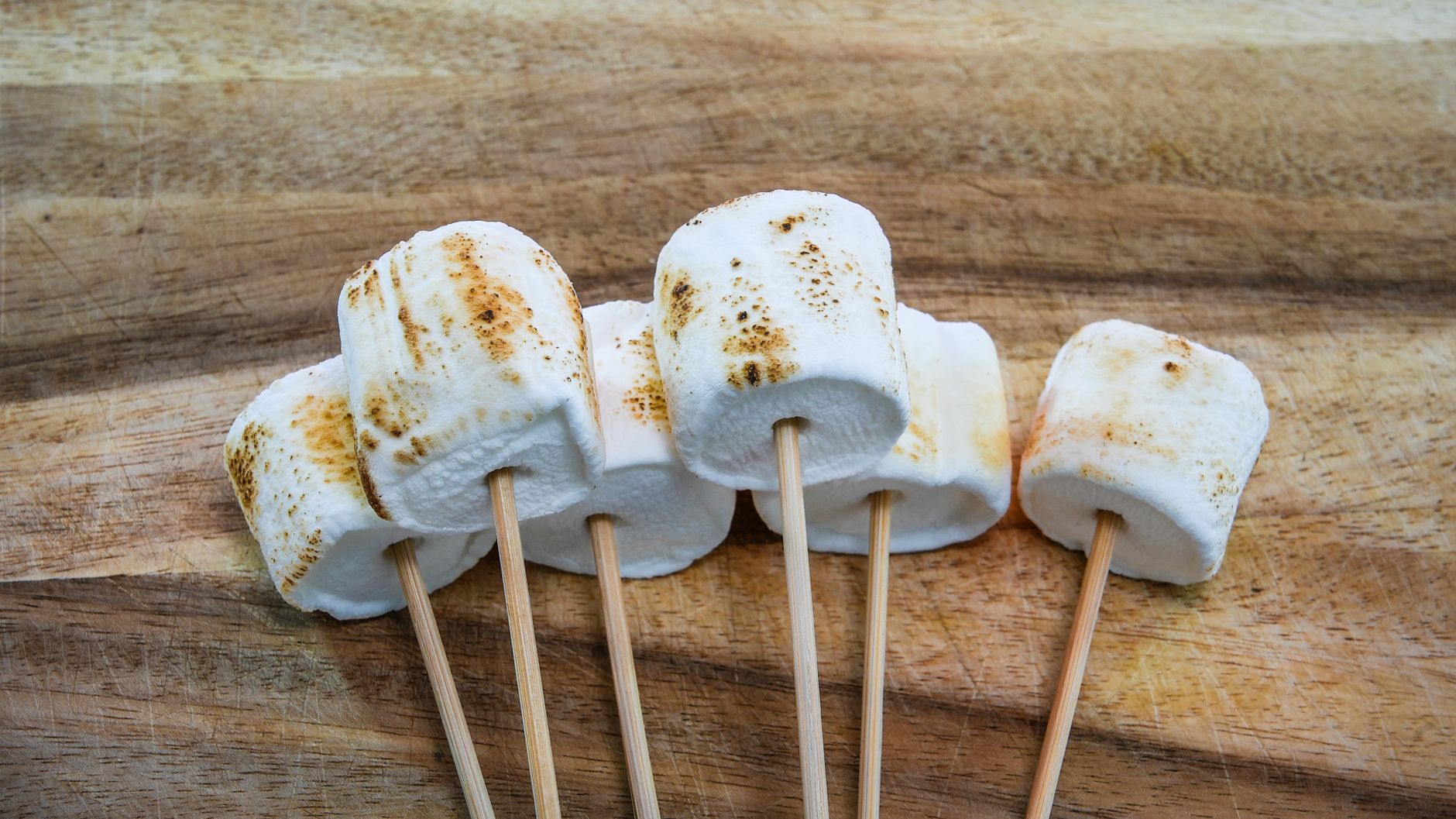
When it comes to marshmallows, a common question that arises is whether they contain dairy. Understanding the ingredients in marshmallows is essential for those with dietary restrictions, allergies, or specific preferences. Let’s break down what marshmallows are made of and explore their suitability for various diets.
Marshmallows are a popular sweet treat enjoyed in many forms, from the classic s’mores to toppings on hot chocolate. However, knowing if these fluffy confections have any dairy components can significantly impact their consumption, especially for those following a dairy-free lifestyle.
Does Marshmallows Have Dairy?
Most traditional marshmallows do not contain dairy. The typical ingredients include sugar, corn syrup, gelatin, water, and sometimes flavorings or colors. However, it is essential to check ingredient labels, as some brands may add dairy ingredients or produce marshmallows in facilities that handle dairy, leading to potential cross-contamination.
Understanding the Main Ingredients of Marshmallows
To clarify whether marshmallows contain dairy, it is useful to examine their primary ingredients:
- Sugar: A common sweet ingredient, sugar is a primary component of marshmallows and is dairy-free.
- Corn Syrup: Used to provide sweetness and to prevent crystallization, corn syrup is also dairy-free.
- Gelatin: This ingredient creates the marshmallow’s signature texture. Typically, gelatin is derived from animal sources (often pork or beef), and it does not contain dairy.
- Water: Necessary for dissolving the sugar and gelatin, water is dairy-free.
- Flavorings and Colors: Many manufacturers include natural or artificial flavors and colors, which generally do not contain dairy, but checking specific products is essential.
Potential Dairy Contaminants in Marshmallows
While marshmallows traditionally do not include dairy ingredients, there are a few considerations to note:
- Cross-contamination: Some marshmallow brands may be made in facilities that process dairy products. This can lead to cross-contamination and affect individuals with severe dairy allergies. Always look for labels that specify whether cross-contamination may occur.
- Special Edition Marshmallows: Certain brands may make flavored marshmallows or novelty shapes that could include dairy or milk-derived ingredients. Always read the ingredient list carefully.
Marshmallows for Special Diets
With the increasing popularity of various dietary lifestyles, many individuals seek marshmallows that align with their preferences. Here’s how traditional marshmallows fit into different diets:
Dairy-Free Diet
Since most traditional marshmallows do not contain dairy, they are usually safe for those on a dairy-free diet. Nonetheless, it is crucial to verify ingredient labels, specifically for flavored or specialty marshmallows.
Vegan Diet
Traditional marshmallows are not vegan, primarily due to gelatin, which is derived from animal collagen. However, there are several brands that offer vegan marshmallows, replacing gelatin with plant-based alternatives such as carrageenan or agar-agar. Confirm a product’s labeling to ensure it meets vegan standards.
Gluten-Free Diet
Most marshmallows are naturally gluten-free as they primarily contain sugar and gelatin. However, as with dairy, it is wise to check product labels, especially for flavored varieties or those made in facilities that may process gluten-containing products.
Homemade Marshmallow Recipe
If you’re concerned about specific ingredients or want to explore dairy-free or vegan marshmallows, making them at home can be a rewarding solution. Below is a straightforward recipe for homemade marshmallows that are dairy-free and can be made vegan.
Yield: Approximately 20 marshmallows
Preparation Time: 30 minutes
Setting Time: 4 hours
Total Time: 4 hours 30 minutes
Ingredients
- 1 cup water, divided
- 2 cups granulated sugar
- 1 cup corn syrup
- 1 tablespoon pure vanilla extract
- 1 packet (2.5 teaspoons) agar-agar powder (substitutes gelatin for a vegan version)
- 1/4 teaspoon salt
- Powdered sugar or cornstarch for dusting
Essential Equipment
- Stand mixer or hand mixer
- Large saucepan
- Whisk
- Rubber spatula
- 9×13 inch baking pan
- Parchment paper
Method
- Prepare the baking pan by lining it with parchment paper and dusting it with powdered sugar or cornstarch to prevent sticking.
- In a saucepan, combine 1/2 cup of water, sugar, and corn syrup. Bring to a boil over medium heat, stirring until the sugar dissolves.
- In a separate bowl, mix the remaining 1/2 cup of water with agar-agar powder. Let it sit for about 5 minutes to bloom.
- Once the sugar mixture reaches the soft ball stage (around 240°F), lower the heat and whisk in the bloomed agar-agar mixture. Continue to whisk until fully dissolved.
- Pour the mixture into the bowl of a stand mixer and let it cool for a few minutes.
- Add vanilla extract and salt, then beat on high speed for about 10-15 minutes until the mixture is fluffy and has quadrupled in volume.
- Spread the marshmallow mixture evenly into the prepared pan, smoothing the top with a spatula.
- Dust the surface with more powdered sugar or cornstarch to prevent sticking, then let it set for at least 4 hours or overnight.
- Once set, lift the marshmallow block out of the pan, peel off parchment paper, and cut into desired shapes. Dust with additional powdered sugar or cornstarch to prevent sticking.
Tips for Making Perfect Marshmallows
- Ensure all tools and surfaces are clean to avoid stickiness.
- Using a stand mixer is recommended, as it helps achieve the necessary volume in the marshmallow mixture.
- Experiment with different flavors or add-ins, such as peppermint extract or cocoa powder, for variety.
- Properly coating the marshmallows in powdered sugar or cornstarch will help maintain texture and prevent clumping.
Storage and Shelf Life of Marshmallows
Homemade marshmallows are best enjoyed fresh, but they can be stored for extended periods:
- Store in an airtight container at room temperature for up to 1 week.
- To extend shelf life, refrigerate for up to 3 weeks. However, they may lose some of their texture in the fridge.
- For long-term storage, you can freeze marshmallows for up to 3 months. Allow them to thaw at room temperature before use.
Common Uses for Marshmallows
Beyond enjoying marshmallows straight out of the bag, these versatile treats can enhance a variety of dishes and desserts. Here are some popular ways to use marshmallows:
- S’mores: Layer roasted marshmallows with chocolate and graham crackers for this campfire classic.
- Hot Chocolate: Top warm hot cocoa with marshmallows for a sweet and creamy finish.
- Rice Cereal Treats: Combine melted marshmallows with crisped rice cereal for a childhood favorite treat.
- Fruit Salad: Add mini marshmallows to fruit salads for a pop of sweetness and a delightful texture.
- Baking: Incorporate marshmallows into cookies, brownies, or pastries for added flavor and a chewy texture.
Conclusion
To summarize, marshmallows are typically dairy-free, making them generally suitable for individuals avoiding dairy products. Still, it is essential to read labels to ensure there are no hidden dairy ingredients or cross-contamination issues. Exploring the world of homemade marshmallows allows for customization and ensures you adhere to dietary preferences.
For those looking for delicious ways to use marshmallows, consider checking out our recipes for candied yams with marshmallows or for a refreshing chia pudding recipe using coconut milk.