
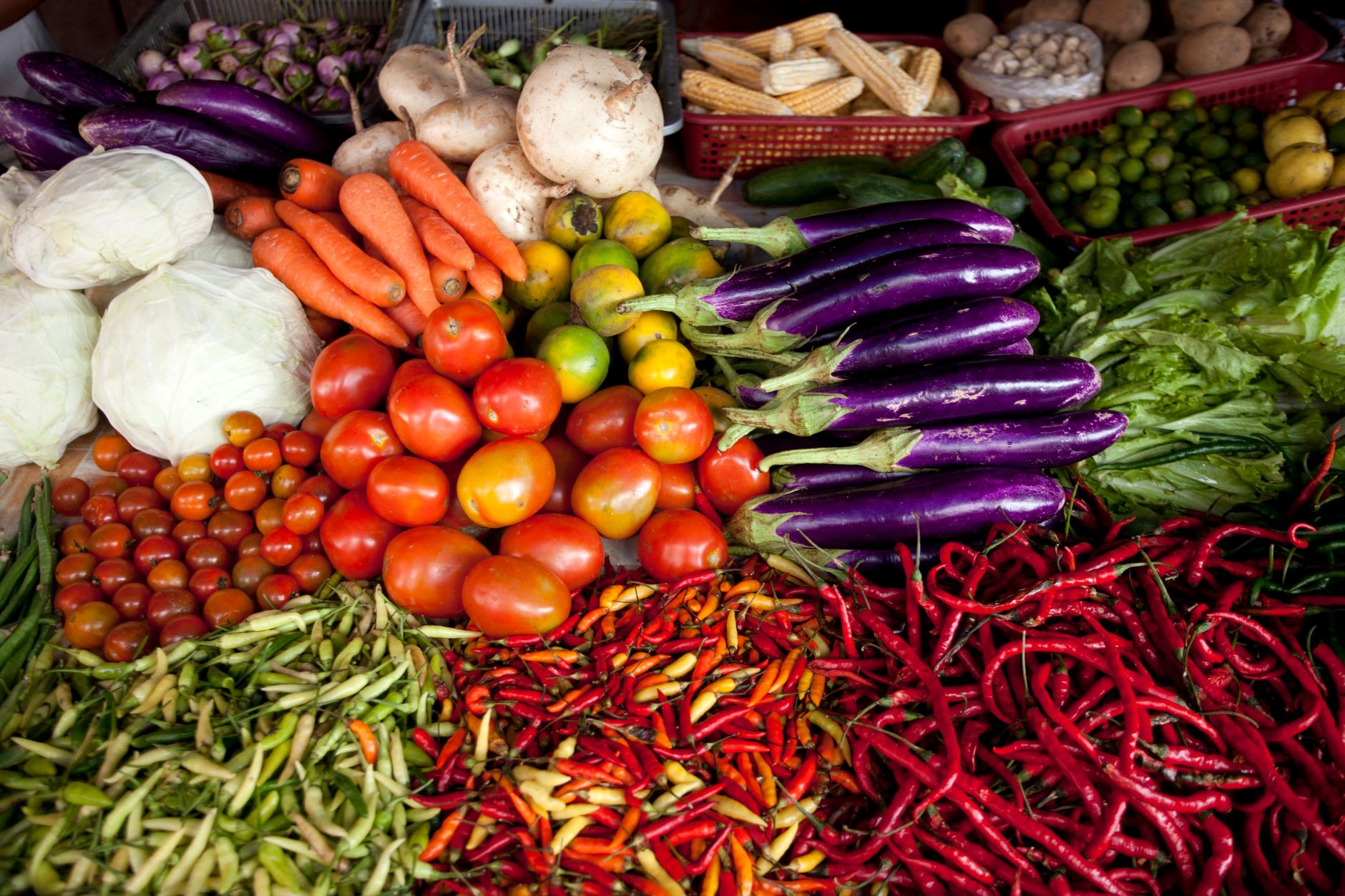
Nightshade vegetables, part of the Solanaceae family, consist of various commonly consumed plants recognized for their unique flavors, vibrant colors, and notable nutritional benefits. However, their potential effects on health and individual sensitivities have sparked discussions among consumers and nutritionists alike.
This article will help you understand what nightshade vegetables are, their characteristics, and how to incorporate them into your diet while considering any sensitivities you may have.
What Are Nightshade Vegetables?
Nightshade vegetables include a wide variety of plants known for their solanine content, a natural toxin that could cause adverse reactions in sensitive individuals. Common nightshade vegetables include tomatoes, potatoes, eggplants, and bell peppers. These vegetables are staples in many cuisines, valued not only for their flavors but also for their versatility in cooking.
Common Nightshade Vegetables
The most recognized nightshade vegetables encompass:
- Tomatoes: Used globally in salads, sauces, and soups, tomatoes are rich in vitamins A and C, as well as antioxidants like lycopene.
- Potatoes: A versatile staple food, potatoes offer a creamy texture and can be prepared in numerous ways, providing vitamin C, potassium, and dietary fiber.
- Bell Peppers: Available in an assortment of colors, bell peppers add crunch and sweetness to dishes while supplying vitamins A and C.
- Eggplants: Known for their unique flavor and spongy texture, eggplants are rich in fiber and antioxidants, often used in Mediterranean cuisine.
Other Nightshade Members
In addition to the primary vegetables, there are other less common nightshade members, including:
- Ciliegia Pepper: A tiny, sweet variety of pepper often used in pickling and cooking.
- Goji Berries: Frequently used as a dried fruit, goji berries are praised for their antioxidant properties.
- Tamarillo (Tree Tomato): A fruit that resembles a tomato, often used in desserts and sauces.
- Ground Cherries: Also known as Physalis, they provide a unique sweet-tart flavor enjoyed in jams and desserts.
Flavor Profiles and Culinary Uses
The distinct flavor profiles of nightshade vegetables contribute to a broad range of dishes. Here’s an overview of some uses:
Tomatoes
From savory sauces to fresh salads, tomatoes are incredibly versatile. Their acidity complements many dishes, making them an essential ingredient in Mediterranean and Latin cuisines.
Potatoes
Possible preparations include mashed, baked, roasted, or fried. Their adaptability makes them suitable for breakfast, lunch, dinner, or even snacks in the form of chips.
Bell Peppers
Bell peppers can be eaten raw in salads for crunch and sweetness or roasted to enhance their flavors in various dishes, such as stir-fries or ratatouille.
Eggplants
Often featured in Mediterranean diets, eggplants are perfect for grilling, sautéing, or baking, commonly used in rack dishes such as moussaka or baba ganoush.
Health Benefits of Nightshade Vegetables
Nightshade vegetables are not only cherished for their culinary use; they also come packed with important nutrients. Here are a few health benefits:
- Rich in Nutrients: Most nightshades contain vitamins A and C, potassium, magnesium, and fiber.
- Antioxidants: Tomatoes and eggplants are rich in antioxidants like lycopene and nasunin, which help combat oxidative stress.
- Promotes Digestive Health: Dietary fiber helps maintain healthy digestion, contributing to better overall gut health.
Potential Health Concerns
While many enjoy nightshade vegetables without any issue, sensitivities or allergies can occur in others, particularly for those with autoimmune diseases or certain health conditions. Here are some considerations:
Solanine Toxicity
Nightshades contain alkaloids like solanine, which in large quantities, can cause gastrointestinal symptoms, headaches, or fatigue. Cooking can often reduce alkaloid levels but does not eliminate them entirely.
Autoimmune Considerations
Some individuals with autoimmune disorders report exacerbation of symptoms with nightshade consumption. It may be prudent for these individuals to limit or eliminate these vegetables and consult a medical professional.
Allergic Reactions
Though rare, allergic reactions can occur. Symptoms may include itching, swelling, or gastrointestinal distress. It is best to monitor your body’s reactions and consult a healthcare provider if necessary.
Incorporating Nightshade Vegetables into Your Diet
Whether you love them or are cautious due to sensitivities, here’s how you can incorporate nightshade vegetables into your diet effectively:
Experiment with Different Varieties
Choose from various types of tomatoes, peppers, and potatoes to keep meals interesting. Try heirloom tomatoes, fingerling potatoes, or a variety of bell peppers for color and flavor diversity.
Cooking Techniques
Using various cooking methods can enhance flavors and textures:
- Roasting: Concentrates sweetness and adds depth, especially to bell peppers and eggplants.
- Sautéing: Quickly cooks vegetables while preserving their texture, ideal for stir-fries.
- Grilling: Adds a smoky flavor, perfect for eggplant and peppers.
Flavor Pairings
Nightshade vegetables are incredibly versatile and can be paired with a variety of herbs and spices:
- Basil, Oregano, and Thyme: Pair beautifully with tomatoes in sauces and salads.
- Cumin and Paprika: Complement roasted peppers and potatoes in dishes like tacos or stews.
- Garlic and Onions: Enhance the flavor of all nightshade vegetables, providing an aromatic base for many recipes.
Meal Ideas Featuring Nightshade Vegetables
Incorporating nightshade vegetables into your meals can be easy and delightful. Here are some practical meal ideas:
Breakfast
- Shakshuka: A dish made with poached eggs and tomatoes, spiced with cumin and topped with fresh herbs.
- Potato Hash: Diced potatoes sautéed with bell peppers and onions, topped with an egg.
Lunch
- Stuffed Peppers: Bell peppers filled with rice, beans, and spices, baked until tender.
- Caprese Salad: Fresh mozzarella, tomato, and basil drizzled with balsamic reduction make a refreshing dish.
Dinner
- Ratatouille: A classic vegetable dish featuring eggplant, zucchini, and bell peppers simmered in tomato sauce.
- Potato Gratin: Sliced potatoes baked with garlic, cream, and cheese.
Snacks
- Roasted Eggplant Hummus: Blending roasted eggplant with tahini, garlic, and lemon for a unique dip.
- Stuffed Jalapeños: Spicy jalapeños stuffed with cheese and herbs, baked until bubbly.
How to Select and Store Nightshade Vegetables
Selecting high-quality nightshade vegetables is essential for ensuring freshness and flavor:
Selection
- Tomatoes: Look for firm, shiny, and unblemished fruit. Choose based on ripeness for different uses.
- Potatoes: Choose smooth, firm potatoes with no visible sprouts or blemishes. Store in a cool, dark place.
- Bell Peppers: Pick firm, brightly colored peppers, and avoid any with soft spots.
- Eggplants: Select those that are unblemished and firm to the touch, with a smooth skin.
Storage
Proper storage extends the freshness of nightshade vegetables:
- Store tomatoes at room temperature to maintain flavor and texture.
- Keep potatoes in a cool, dark place, ideally in a paper bag or breathable container.
- Refrigerate bell peppers and eggplants to preserve their crispness, but use them within a week for the best quality.
Substitutions for Nightshade Vegetables
If you are sensitive to nightshade vegetables or looking for alternatives, consider the following substitutions:
| Nightshade Vegetable | Substitution |
|---|---|
| Tomatoes | Beet puree or pumpkin puree in sauces. |
| Potatoes | Cauliflower or turnips for mash or fries. |
| Bell Peppers | Zucchini or carrots for added sweetness and crunch. |
| Eggplants | Zucchini or mushrooms for similar textural qualities. |
Common Mistakes and Troubleshooting
Here are some common mistakes made when dealing with nightshade vegetables and how to avoid them:
- Using Overripe Tomatoes: Overripe tomatoes can lack flavor. Choose tomatoes that are firm and ripe for the best taste.
- Undercooking Potatoes: Always ensure potatoes are fork-tender before serving. Undercooked potatoes can be hard and unpleasant.
- Peeling Eggplants: While some prefer to peel eggplants for specific recipes, the skin contains valuable nutrients. Consider leaving it on for added texture and flavor in dishes.
Conclusion
Nightshade vegetables, while sometimes controversial, offer a wealth of flavors and nutrients. Understanding their characteristics, health implications, and culinary uses helps integrate them effectively into your diet. By experimenting with various cooking techniques and flavor pairings, you can enjoy these vegetables in countless delicious dishes.
For more practical cooking tips and ingredient guides, explore our related articles on how to use seasonal produce creatively, learn cooking techniques, or discover exciting recipes to try this week.