
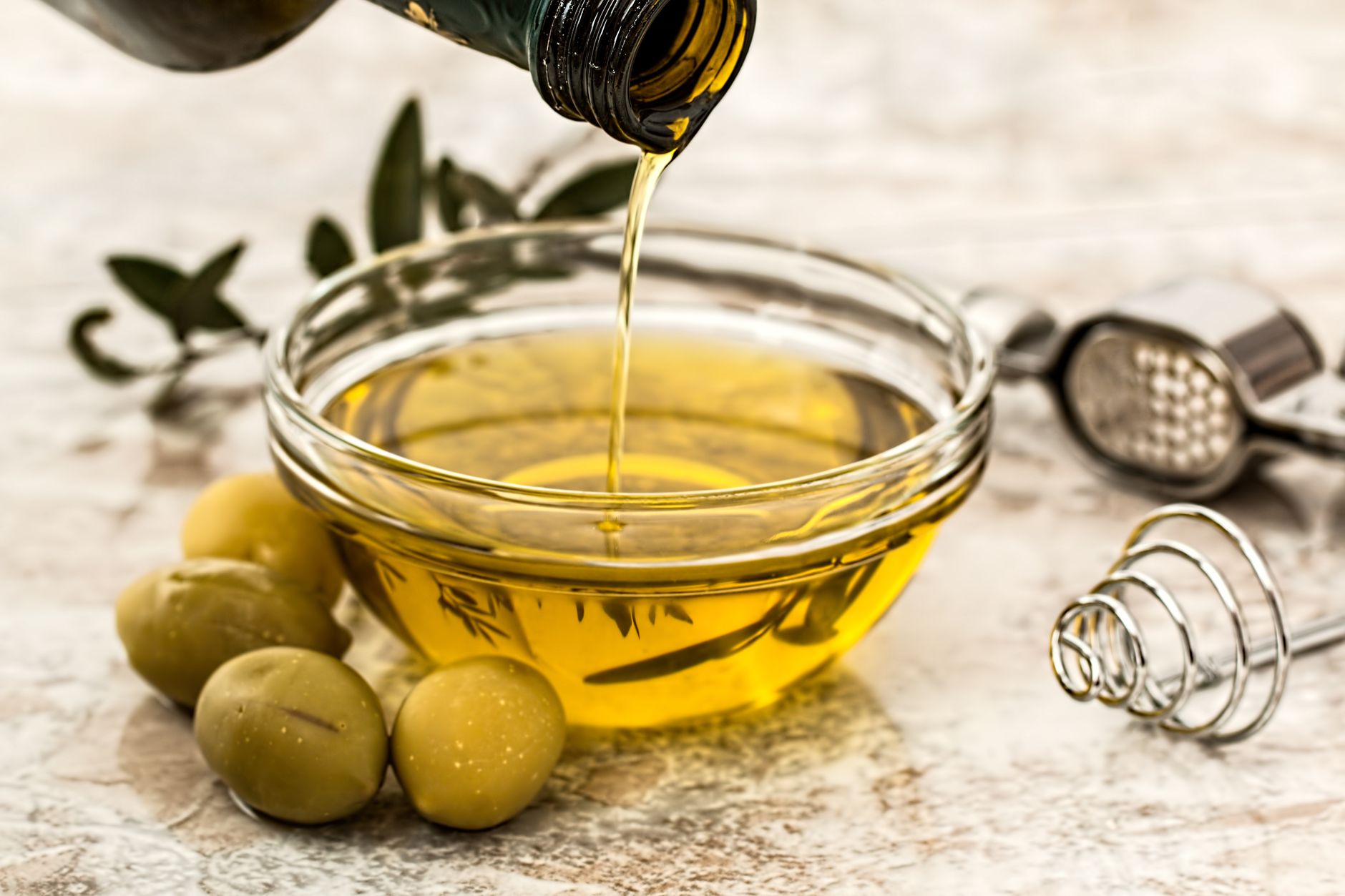
When considering what to cook or which ingredients to incorporate into our meals, it’s essential to be informed about how certain ingredients impact our health. One common kitchen staple is olive oil, celebrated for its flavor and health benefits. However, some may wonder, does olive oil cause diarrhea?
The answer is nuanced. While olive oil is generally well-tolerated, excessive consumption or individual sensitivities may lead to digestive issues, including diarrhea. Understanding how olive oil interacts with digestion can help you create balanced meals and utilize this versatile oil effectively.
Does Olive Oil Cause Diarrhea?
The short answer is that olive oil does not typically cause diarrhea for most people. However, factors such as quantity consumed, individual tolerance, and overall fiber intake can influence digestive health. Consuming too much olive oil in one sitting could potentially result in diarrhea due to its laxative effect, especially if one is not used to it.
Understanding Olive Oil and Digestion
Olive oil is primarily composed of healthy fats, mainly monounsaturated fats, which can aid in digestion and provide essential nutrients. However, it is important to consume it within moderation. Here are a few key points to understand about olive oil and its interaction with your digestive system:
- Fat Content: Olive oil is high in fat, which can speed up the rate at which food moves through the digestive system. This might lead to diarrhea if you consume it in excess.
- Quality Matters: Extra virgin olive oil is less refined and contains more antioxidants and nutrients. Low-quality or overly processed oils might have additives that can upset your stomach.
- Sensitivity Reactions: Some individuals may have sensitivities or allergies to certain components found in olive oil, leading to gastrointestinal distress.
Portions and Moderation
Moderation is key when using olive oil. A general guideline is to aim for about 1 to 2 tablespoons per day as part of a balanced diet. Here’s how you can incorporate olive oil while maintaining good digestive health:
- Use it as a Dressing: Mix olive oil with vinegar or citrus for refreshing salad dressings. This allows you to enjoy the flavors with controlled amounts.
- Cooking Temperature: Olive oil has a moderate smoke point, so use it for sautéing or drizzling over vegetables rather than frying, as this can maintain its nutritional value.
- Balanced Meals: Pair olive oil with high-fiber foods like vegetables and whole grains to aid digestion and reduce the likelihood of experiencing unwanted side effects.
Fiber and Digestive Health
Fiber plays a crucial role in digestive health and can help mitigate any potential side effects of olive oil, like diarrhea. Here’s how fiber interacts with olive oil:
- Soluble Fiber: Foods like oats, beans, and citrus fruits contain soluble fiber that can absorb excess moisture in the intestines, helping to firm up stools.
- Insoluble Fiber: Whole grains, nuts, and vegetables provide insoluble fiber, which adds bulk to stool and promotes regular bowel movements.
- Balancing Act: Including a variety of fiber types in your diet alongside healthy fats like olive oil can lead to smoother digestion and reduce the risk of diarrhea.
Common Reasons for Diarrhea Related to Olive Oil Consumption
While olive oil generally aids digestion, there are situations where it can result in diarrhea:
- Overconsumption: Consuming excessive amounts can trigger a laxative effect, especially for those not accustomed to a high-fat diet.
- Quality of Oil: Low-quality oils or rancid oils might irritate the digestive tract due to impurities or chemical additives.
- Individual Sensitivities: Some people may react negatively to certain phenolic compounds found in olive oil.
How to Minimize the Risk of Diarrhea from Olive Oil
To enjoy the benefits of olive oil without the risk of digestive issues, consider the following tips:
- Start Slowly: If you’re incorporating olive oil for the first time, begin with one teaspoon and gradually increase to your desired amount.
- Opt for High-Quality Oil: Choose extra virgin olive oil from reputable sources to ensure purity and quality.
- Pace Your Meals: Spread the use of olive oil across multiple meals rather than consuming it all at once.
Detecting and Addressing Diarrhea
If you’ve experienced diarrhea after consuming olive oil, it’s important to determine the cause. Consider the following steps:
- Track Your Intake: Keep a food diary to note what you eat and any symptoms you experience. This can help you identify if olive oil is indeed the culprit.
- Consult a Healthcare Professional: If diarrhea persists, a consultation can help rule out allergies or digestive disorders.
- Consider Dietary Changes: Balance your meals with fiber and hydration to help maintain digestive health.
Ingredient Swaps and Alternatives to Olive Oil
If you find that olive oil doesn’t agree with your digestive system, consider these alternatives:
- Avocado Oil: This oil has a similar taste profile and is rich in monounsaturated fats, making it a suitable substitute in many recipes.
- Coconut Oil: With a slightly different flavor, coconut oil is great for cooking and baking, but it contains saturated fats.
- Flaxseed Oil: Rich in omega-3 fatty acids, this oil is perfect for salad dressings but should not be heated.
Cooking Techniques that Complement Olive Oil
There are several exciting cooking techniques that can perfectly complement the use of olive oil in your dishes:
- Sautéing: Use olive oil to sauté vegetables on medium heat for enhanced flavor and nutrition.
- Roasting: Toss vegetables in olive oil before roasting to achieve a caramelized finish. Aim for a temperature of 400°F for even cooking.
- Marinating: Combine olive oil with herbs and spices to create marinades that enhance flavor and tenderize proteins.
Storage and Handling of Olive Oil
Proper storage of olive oil helps maintain its quality and nutritional profile:
- Keep it Cool and Dark: Store olive oil in a dark glass bottle in a cool place away from heat or light.
- Seal Tightly: Always ensure the bottle is sealed after use to prevent oxidation.
- Use Within a Reasonable Timeframe: Consumed within 6 to 12 months of opening to enjoy its maximum health benefits.
Conclusion
Olive oil is a beloved ingredient in cooking, offering myriad health benefits when consumed mindfully. While most people can enjoy it without discomfort, moderation and awareness of individual tolerance are crucial. If you want to explore other aspects of cooking and nutrition, consider a look at how to substitute avocado oil for olive oil or a simple banana bread recipe using oil. These resources can help you diversify your kitchen skills and continue to enjoy healthy cooking practices.
For more insights into cooking with oils, check out these articles: substituting avocado oil for olive oil and banana bread recipe with oil.