
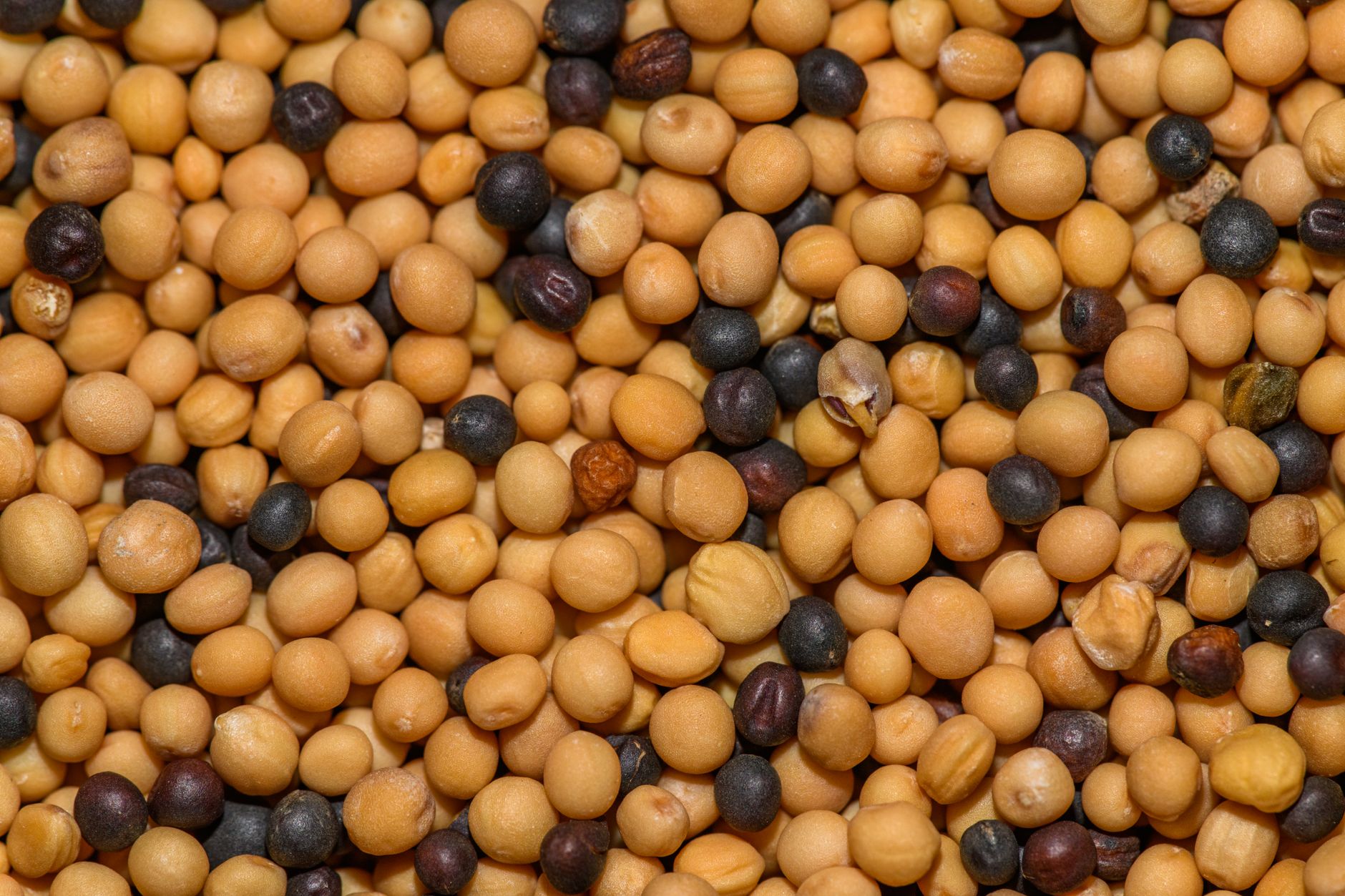
Mustard seed is a small, round seed that comes from various plants in the mustard family, primarily Brassica. They are commonly used in culinary applications for their distinct flavor and versatility. When ground, mustard seeds can produce mustard paste or powder, which enhances a variety of dishes.
This article delves into what mustard seeds are, their different types, flavor profile, culinary uses, and how to store them effectively. You’ll learn how this tiny seed can elevate your cooking and accommodate various diets.
What Is Mustard Seed?
Mustard seeds are the seeds of the mustard plant, belonging to the Brassicaceae family. They come in various colors, primarily yellow, brown, and black. Each color has distinct taste characteristics, making mustard seeds popular in cuisines worldwide.
The seeds are small, often less than a millimeter in diameter, and have a hard outer shell. When seeds are crushed or ground, they release essential oils, contributing to their pungent flavor. Beyond flavoring, mustard seeds have nutritional benefits, including being a source of fiber, protein, and various minerals.
Types of Mustard Seeds
There are three primary types of mustard seeds used in cooking: yellow mustard seeds, brown mustard seeds, and black mustard seeds, each offering different flavor profiles and culinary uses.
Yellow Mustard Seeds
Yellow mustard seeds are the mildest among the three types. They are commonly used in American mustard condiments and can be found in many salad dressings. Their subtle taste works well with sweeter sauces and dishes.
Brown Mustard Seeds
Brown mustard seeds have a stronger flavor than yellow seeds, with a slight heat that makes them popular in Indian cooking. They are often used for pickling and making Indian mustard oil. When ground into a paste, they add depth to sauces and marinades.
Black Mustard Seeds
Black mustard seeds have the most robust flavor and pungency. They are commonly used in Mediterranean and Indian cuisines. When cooked, they often pop in hot oil, releasing a unique flavor. They are ideal for tempering, which enhances the overall taste of dishes.
Taste Profile of Mustard Seeds
The flavor of mustard seeds varies significantly based on the color of the seed. Here’s a breakdown of their flavor profiles:
- Yellow Mustard Seeds: Mild, slightly sweet, and tangy.
- Brown Mustard Seeds: Strong, spicy, and somewhat bitter with a hint of earthiness.
- Black Mustard Seeds: Bold, spicy, and intense flavor with a lingering heat.
The pungency of mustard seeds is attributed to the presence of compounds such as glucosinolates, which release compounds that create the mustard flavor when seeds are crushed or ground.
Culinary Uses of Mustard Seeds
Mustard seeds are incredibly versatile and can be employed in various culinary applications. Some of their most common uses include:
1. Spice Blends
Mustard seeds are often ground into coarse or fine powder and incorporated into spice blends. They can add depth and heat to culinary creations, such as curries, stews, and marinades.
2. Pickling
Both yellow and brown mustard seeds are frequently used in pickling recipes to add flavor. They are often mixed with vinegar and spices to create tangy pickles and condiments.
3. Sauces and Condiments
Ground mustard seeds can be used to make traditional sauces like mustard, which can vary in flavor and spiciness. Mustard dressing is also a popular choice for salads and grilled vegetables.
4. Cooking Technique: Tempering
In many Indian cuisines, mustard seeds are tempered. This involves heating oil and adding whole seeds, which then pop. This infusion of flavor enhances dishes such as dal, curries, and stir-fries.
5. Infusions
Mustard seeds can be infused into oils or vinegars to create flavorful dressings and marinades. This infusion helps balance out meals and provides a unique flavor foundation.
How to Use Mustard Seeds in Cooking
Incorporating mustard seeds into your cooking requires some basic techniques. Here’s how you can use them effectively:
Whole Mustard Seeds
Whole mustard seeds work best in hot oil, where they can pop and release their flavor. Here’s a basic method:
- Heat oil in a pan over medium heat.
- Add whole mustard seeds and cover the pan to prevent the seeds from popping out.
- After a few minutes, when the seeds start to pop, reduce the heat if necessary.
- Once popping slows down, add other ingredients such as vegetables or meats to incorporate with the infused flavors.
Ground Mustard Seeds
Ground mustard can be added to sauces, marinades, or dressings. It’s essential to note the pungency can intensify when mixed with liquids:
- Start by mixing a small amount of ground mustard with liquid ingredients, like vinegar or oil.
- Adjust the amount according to your taste preferences.
- Allow it to sit for a few minutes to develop flavor before using it in a dish.
Practical Substitutions for Mustard Seeds
While mustard seeds are unique in their flavor and culinary applications, there are instances when you may need substitutes. Here are some alternatives:
- Ground Mustard: This is the easiest substitute for mustard seeds. Use about a tablespoon of ground mustard for every tablespoon of whole mustard seeds.
- Turmeric: If you need a substitute for color, turmeric can provide a similar hue, but it’s milder in flavor.
- Cumin Seeds: Although different in taste, toasted cumin seeds can provide a warm, earthy flavor in some recipes.
Common Mistakes When Using Mustard Seeds
When working with mustard seeds, it’s essential to avoid a few common mistakes:
- Using Whole Seeds in Cold Dishes: Whole mustard seeds require heat to release their flavor. Adding them to a cold dish won’t provide the desired taste.
- Overcrowding the Pan: When tempering mustard seeds, overcrowding the pan may prevent them from popping properly.
- Using Old Seeds: Mustard seeds lose their potency over time. Ensure that you are using fresh seeds for the best flavor.
How to Store Mustard Seeds
Proper storage of mustard seeds is essential to maintain their flavor and aroma. Here are some tips:
- Keep in a Cool, Dry Place: Store mustard seeds in an airtight container in a cool, dry pantry away from direct sunlight.
- Use Within a Year: For the best flavor, use mustard seeds within a year of purchase.
- Don’t Refrigerate: Avoid storing mustard seeds in the refrigerator, as moisture can affect their quality.
Nutritional Benefits of Mustard Seeds
Beyond their culinary uses, mustard seeds boast several nutritional advantages:
- High in fiber, which helps with digestion.
- Contains minerals such as selenium, magnesium, and calcium.
- A source of protein, aiding in muscle repair and growth.
While mustard seeds can be part of a balanced diet, it’s important to consume them in moderation, particularly due to their high oil content when using mustard oil.
Cultural Significance of Mustard Seeds
Mustard seeds have cultural significance in various cuisines worldwide, often being a staple in regional dishes. In Indian cuisine, for instance, mustard seeds are essential in cooking techniques such as tempering, making them vital to traditional flavors.
In Western cultures, mustard seeds are often associated with picnic foods, adding flavor to potato salads, marinades, and barbecue sauces. The seeds symbolize flavoring and preservation, used in a variety of recipes that span generations.
Creative Ways to Use Mustard Seeds
If you’re looking to explore beyond traditional uses, here are some creative ways to incorporate mustard seeds:
- Mustard Seed Crust: Use crushed mustard seeds as a crust for fish or chicken to add flavor and crunch.
- In Salad Dressings: Blend mustard seeds with vinegar, oil, honey, and herbs for a unique salad dressing.
- Mustard Seed Butter: Blend ground mustard seeds into butter for a flavorful spread on bread or vegetables.
Conclusion
Mustard seeds are a small yet powerful ingredient that can enhance your cooking with their robust flavors and versatility. From pickling to tempering, they offer endless culinary possibilities. As you explore various recipes and techniques, keep in mind their different types, cooking methods, and effective storage to maximize their potential in your kitchen.
Consider experimenting with mustard seeds in your next culinary endeavor. They can transform ordinary dishes into something extraordinary. For more related recipes, check out our Chinese Hot Mustard Recipe and discover the delightful fusion of flavors. Additionally, our Pickling Spice Recipe can help you create delicious homemade pickles using mustard seeds.