
That sharp, eye-watering kick of Chinese hot mustard hits your sinuses in the best way possible, clearing your head in seconds flat.
This isn’t the mild yellow mustard sitting in your fridge; it’s a pungent, fiery condiment that elevates everything from dim sum to roasted meats.
What makes this recipe shine is its simplicity and speed: you likely have the ingredients already, and it comes together in under five minutes.
The heat builds slowly and lingers beautifully without any harsh chemical aftertaste, making it a restaurant-quality staple you can recreate at home.
Why You’ll Love This Recipe
This Chinese hot mustard delivers authentic heat with minimal effort, and it transforms appetizers and main courses instantly.
- Ready in less than five minutes with just three core ingredients.
- Naturally gluten-free and vegan, fitting most dietary needs without modification.
- Creates that signature nose-clearing heat that rivals restaurant versions.
- Stays fresh for weeks in the fridge, so you always have it on hand.
- Pairs perfectly with dumplings, spring rolls, roasted chicken, and grilled fish.
My Experience Making This Recipe
The first time I made this at home, I was shocked at how close it came to the version at my favorite dim sum spot.
I remember my kitchen filling with that powerful, peppery aroma within seconds of mixing; my eyes watered, and I knew I’d nailed it.
My family now requests this constantly, and I’ve started making double batches because it disappears faster than I can prepare it.
Recipe Overview
- Recipe Name: Chinese Hot Mustard
- Servings: 6 to 8 (as a condiment)
- Prep Time: 5 minutes
- Cook Time: 0 minutes
- Total Time: 5 minutes
- Course: Condiment
- Cuisine: Chinese
- Calories per Serving: 15
Equipment You Will Need
- Small mixing bowl
- Measuring spoons
- Whisk or fork
- Small jar with lid for storage
- Spoon for stirring
Ingredients for Chinese Hot Mustard
- Dry mustard powder: 2 tablespoons (the foundation of the heat)
- Water: 1 tablespoon (room temperature or lukewarm)
- Salt: 1/4 teaspoon (enhances flavor and preserves the condiment)
Ingredient Notes and Substitutions
- Dry mustard powder is essential; it’s what creates that signature searing heat and pungent flavor that fresh mustard cannot replicate.
- If unavailable, you can mix one tablespoon of prepared yellow mustard with one teaspoon of horseradish, though the heat profile will be milder and less authentic.
- Water activates the mustard’s volatile compounds and creates the paste consistency; use room temperature or slightly warm water for best results.
- Cold water works, but warm water (not hot) speeds up the flavor development slightly.
- Salt preserves the condiment and balances the intense heat with a subtle salty note.
- You can reduce or increase salt by a pinch depending on your sodium preference, though the standard amount is well balanced.
How to Make Chinese Hot Mustard
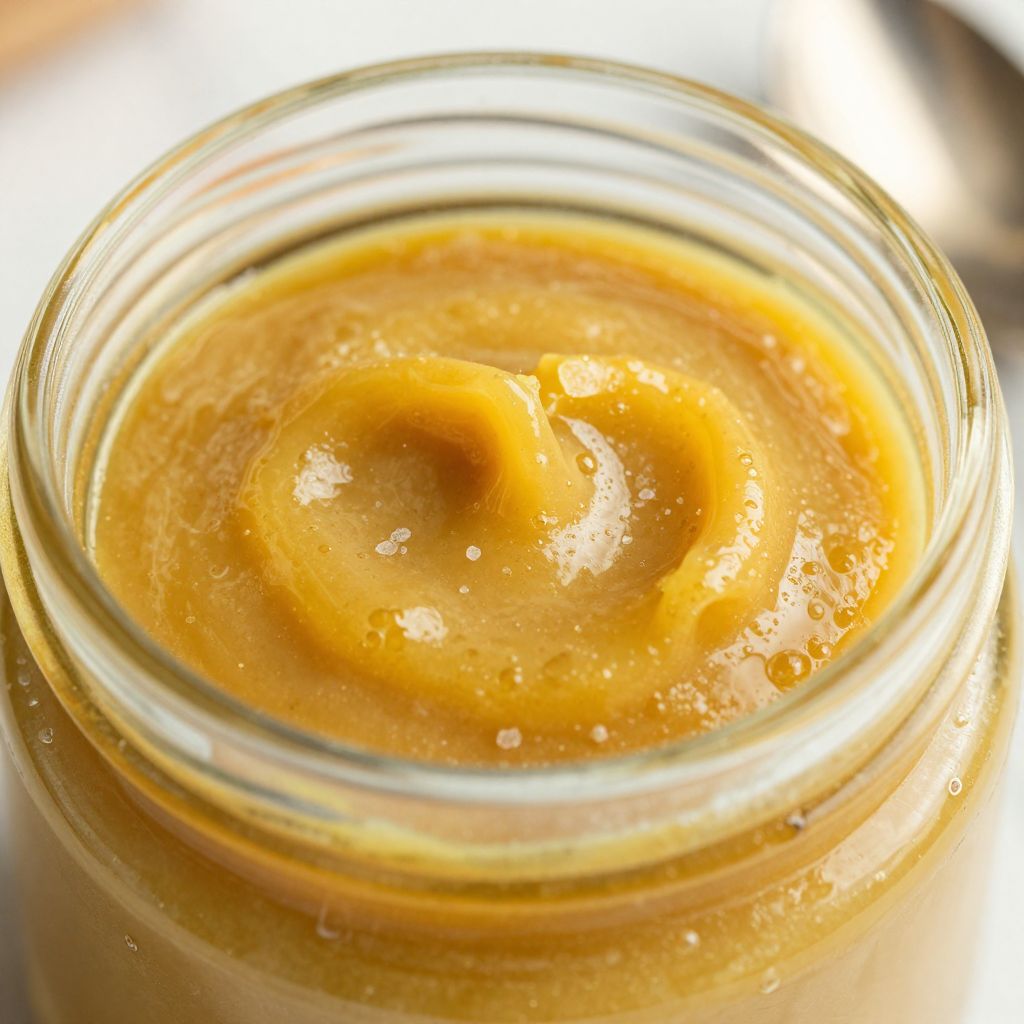
Step 1: Measure Your Dry Mustard Powder
Pour two tablespoons of dry mustard powder into a small mixing bowl, making sure you’re using pure mustard powder and not a mustard blend.
The quality of your mustard powder matters here; look for a bright yellow color, which indicates freshness and potency.
Step 2: Add the Salt
Sprinkle one-quarter teaspoon of salt directly onto the mustard powder.
The salt dissolves into the mixture as you add liquid, distributing evenly and preventing clumping.
Step 3: Pour in the Water Slowly
Add one tablespoon of room temperature or lukewarm water to the mustard and salt mixture, pouring gradually rather than all at once.
Adding water slowly lets you control the consistency and avoid creating lumps that are difficult to smooth out later.
Step 4: Whisk Until Smooth
Using a whisk or fork, stir the mixture vigorously for about one minute until you achieve a smooth, paste-like consistency with no visible lumps.
The whisking action also begins activating the mustard’s sharp, pungent qualities, and you’ll notice the aroma intensifying as you mix.
Step 5: Taste and Adjust
Dip a clean spoon into the mustard and take a tiny taste to gauge the heat level and flavor balance.
If you prefer it thicker, add another half teaspoon of mustard powder; if you want it thinner, add a few drops of water.
Step 6: Let It Rest for One Minute
Allow the mustard to sit at room temperature for one minute without stirring, letting the flavors fully develop and the heat build.
This brief rest allows the water to fully hydrate the mustard powder, unlocking the maximum pungency and sharpness.
Step 7: Transfer to a Storage Jar
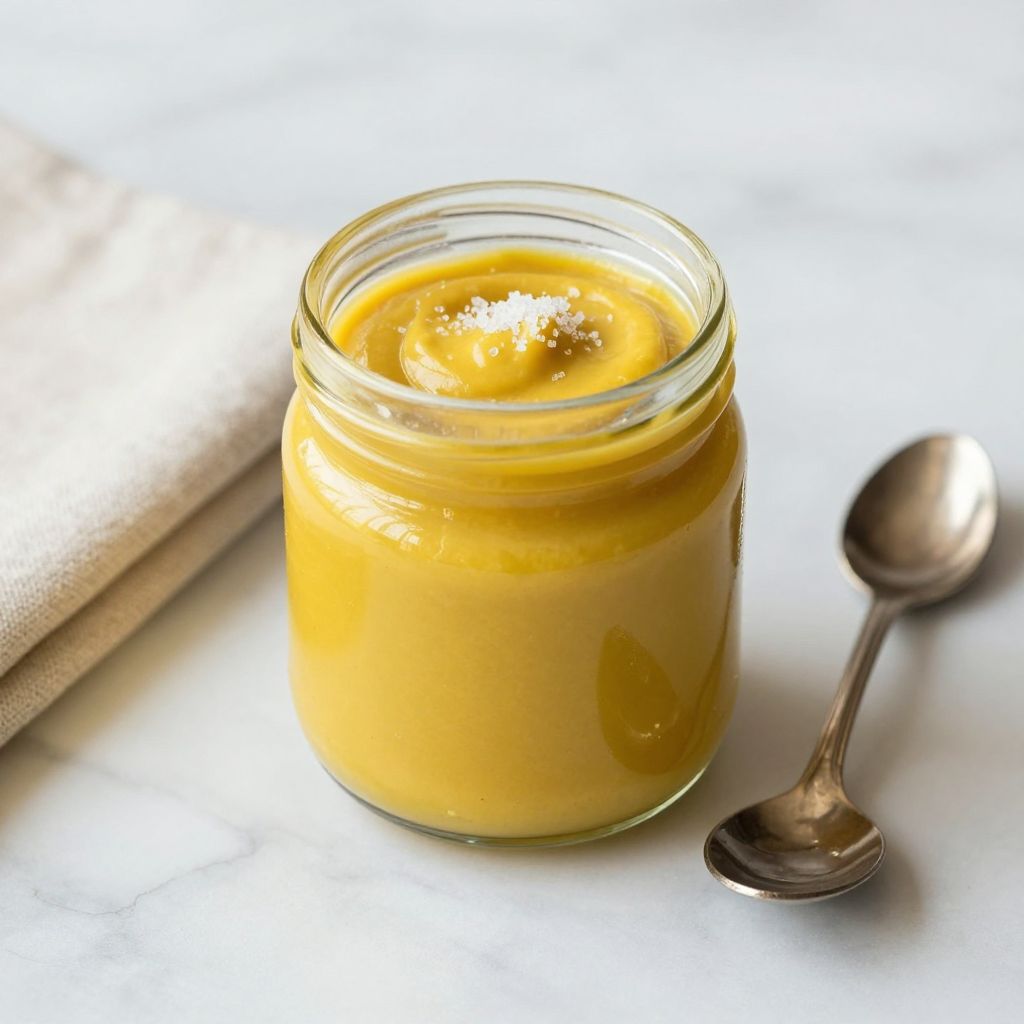
Spoon the finished mustard into a small jar with a tight-fitting lid for storage and easy serving.
Using a jar makes it convenient to refrigerate and keeps the mustard fresh for up to three weeks.
Step 8: Serve Immediately or Chill
You can serve the mustard immediately while it’s at room temperature, or refrigerate it for a cooler option that many prefer with dumplings.
The flavor actually deepens slightly after a few hours in the fridge as the components continue to meld together.
Pro Tip: The potency of dry mustard powder varies by brand, so start with the measurements given and adjust based on your heat tolerance and the brand you’re using.
Tips for the Best Chinese Hot Mustard
- Use the freshest dry mustard powder you can find; older powder loses its pungency over time, so check the purchase date if available.
- Lukewarm water (around 80 to 90 degrees) activates the mustard’s flavor compounds faster than cold water, delivering sharper heat.
- Mix in a glass or ceramic bowl rather than metal, as metal can slightly affect the flavor of the mustard.
- Make small batches frequently rather than storing large quantities; mustard tastes strongest in the first week after mixing.
- Cover the jar tightly and keep it away from direct sunlight and heat, which can diminish its potency.
- Taste before serving if it’s been stored for more than a week, as the heat can mellow slightly with time.
Common Mistakes to Avoid
- Adding all the water at once creates lumps that are nearly impossible to break down smoothly, resulting in a grainy, unpleasant texture.
- Using prepared yellow mustard as a base won’t deliver the authentic nose-clearing heat; you must use dry mustard powder.
- Storing in an unsealed container allows the mustard to dry out and lose its sharp bite within just a few days.
- Using hot water can actually dull the heat and create a bitter aftertaste, so stick with room temperature or lukewarm water.
- Over-mixing after the rest period can break down the texture and make it watery rather than maintaining the ideal paste consistency.
Serving Suggestions
Serve this Chinese hot mustard alongside virtually any dim sum, Asian appetizer, or roasted protein for maximum impact.
- Pair with steamed or pan-fried dumplings and potstickers for authentic dim sum experience.
- Serve alongside spring rolls, egg rolls, and crispy appetizers that benefit from a sharp, pungent dip.
- Use as a condiment for roasted duck, chicken, or pork dishes to cut through rich, fatty flavors.
- Mix a small spoonful into mayo or sour cream for a spicy dipping sauce for seafood and grilled meats.
- Spread thinly on sandwiches or wraps to add heat and depth without overpowering other ingredients.
Variations to Try
- Wasabi-Mustard Blend: Mix one tablespoon of prepared wasabi with the dry mustard and water for a double-heat punch with Japanese influence.
- Honey-Sweetened Version: Add one teaspoon of honey to the mixture for a subtle sweetness that balances the intense heat and creates a more rounded flavor.
- Garlic-Infused: Stir in one-quarter teaspoon of finely minced garlic or garlic powder for an earthier, more complex heat profile.
- Spicy Oil Drizzle: Top the finished mustard with a small drizzle of chili oil or sesame oil for added richness and a subtle toasted note.
- White Vinegar Version: Replace half the water with white vinegar for a more acidic, tangy kick that brightens seafood and lighter dishes.
Dietary Adaptations
- Gluten-Free: This recipe is naturally gluten-free; just verify your mustard powder doesn’t contain additives, which is rare but worth checking.
- Dairy-Free: Already dairy-free and vegan, requiring no modifications whatsoever.
- Vegan and Vegetarian: Fully compliant; no animal products are used in any form.
- Low-Carb and Keto: Perfect for these diets with negligible carbs and zero sugar; serve freely without concern.
Storage and Reheating
Refrigerator
Store your mustard in a tightly sealed jar in the refrigerator where it keeps for up to three weeks, though flavor is strongest in the first two weeks.
- Keep away from the back of the fridge where it gets coldest; a stable shelf works best.
- Check for any discoloration or off odors before using after two weeks.
Freezer
Freezing isn’t necessary and can affect the texture, but you can freeze mustard for up to two months in a small airtight container if you want to preserve it long-term.
- Thaw in the refrigerator for several hours before using.
- The texture may become slightly thinner after freezing and thawing.
Reheating
No reheating is needed; serve directly from the refrigerator or allow it to come to room temperature for about ten minutes before serving.
- If the mustard has thickened in the fridge, stir in a few drops of water to return it to the original consistency.
- Never microwave, as heat can damage the volatile compounds that create the signature heat.
Nutrition Information
| Nutrient | Amount |
|---|---|
| Calories | 15 |
| Total Fat | 1g |
| Saturated Fat | 0g |
| Carbohydrates | 1g |
| Fiber | 0g |
| Sugar | 0g |
| Protein | 1g |
| Sodium | 105mg |
| Cholesterol | 0mg |
These values are estimates based on standard mustard powder composition and assume six servings per batch.
Frequently Asked Questions
Can I make this mustard without dry mustard powder?
Not with the same authentic heat and pungency; prepared mustard lacks the volatile compounds that create that signature nose-clearing kick.
You’d need to use horseradish or wasabi as a substitute, which changes the flavor profile entirely.
How long does it take for the heat to develop?
The initial heat hits immediately, but it continues to build and deepen over the first five to ten minutes as the water fully hydrates the mustard powder.
After one to two hours in the fridge, the flavor becomes more rounded and the heat more penetrating.
Can I make a larger batch and store it?
Yes, multiply the recipe by four or five and store in airtight jars in the refrigerator for up to three weeks.
The flavor is strongest in the first two weeks, so making smaller batches more frequently ensures maximum potency.
Why does my mustard have a grainy texture?
This happens when water is added too quickly, causing the mustard powder to clump before it can fully hydrate evenly.
Add water gradually and whisk constantly to prevent lumps; if this happens, strain the mixture through a fine sieve and re-whisk.
What’s the difference between mustard powder colors?
Yellow mustard powder is the standard for this recipe and delivers the classic sharp heat; brown and black mustard powders are spicier and more pungent but can overpower other flavors.
Stick with yellow unless you specifically want extra heat.
Can I use this mustard in cooking, or is it only for serving?
It works wonderfully as a condiment on the side, but you can also stir small amounts into marinades, dressings, or sauces to add heat and depth.
Use sparingly in cooking, as heat can reduce some of its pungency.
Final Thoughts
Making your own Chinese hot mustard at home is one of those simple kitchen wins that feels impressive but requires almost no skill or time.
Once you taste the freshness and intensity of homemade mustard compared to bottled versions, you’ll never look back.
Keep a batch in your fridge at all times; it elevates dumplings, roasted meats, and even simple appetizers into restaurant-quality experiences.
Your next dim sum night or Asian dinner party will be elevated with this fiery, authentic condiment made in your own kitchen.
Explore More Condiments and Sauces
Now that you’ve mastered this essential condiment, expand your sauce collection with other bold, flavorful recipes that bring depth to any meal.
Try making hot honey sauce for a sweet and spicy drizzle over fried chicken or pizza, or master General Tso sauce for authentic Chinese stir-fries that rival your favorite takeout.
Each of these condiments pairs beautifully with the mustard and gives you a complete arsenal of bold flavors for any dish.
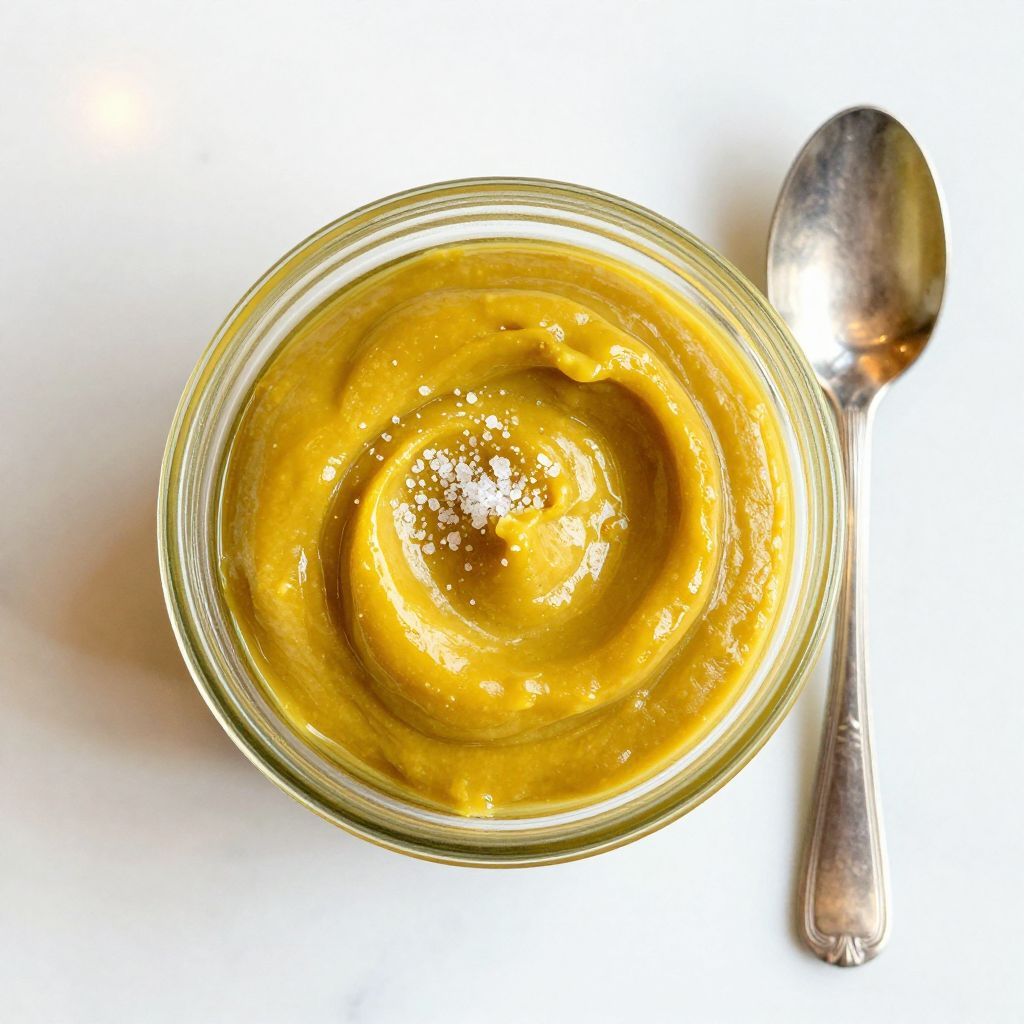
Chinese Hot Mustard
Ingredients
Equipment
Method
- Pour 2 tablespoons of dry mustard powder into a small mixing bowl.
- Sprinkle 1/4 teaspoon of salt over the mustard powder.
- Slowly add 1 tablespoon of water to the bowl, stirring gently to combine.
- Whisk the mixture vigorously for about 1 minute until smooth and paste-like.
- Taste the mustard and adjust thickness by adding more water or mustard powder as desired.
- Let the mustard rest at room temperature for 1 minute to develop heat.
- Transfer the finished mustard to a small jar with a tight-fitting lid.
- Serve immediately or refrigerate before serving with dumplings or roasted meats.