
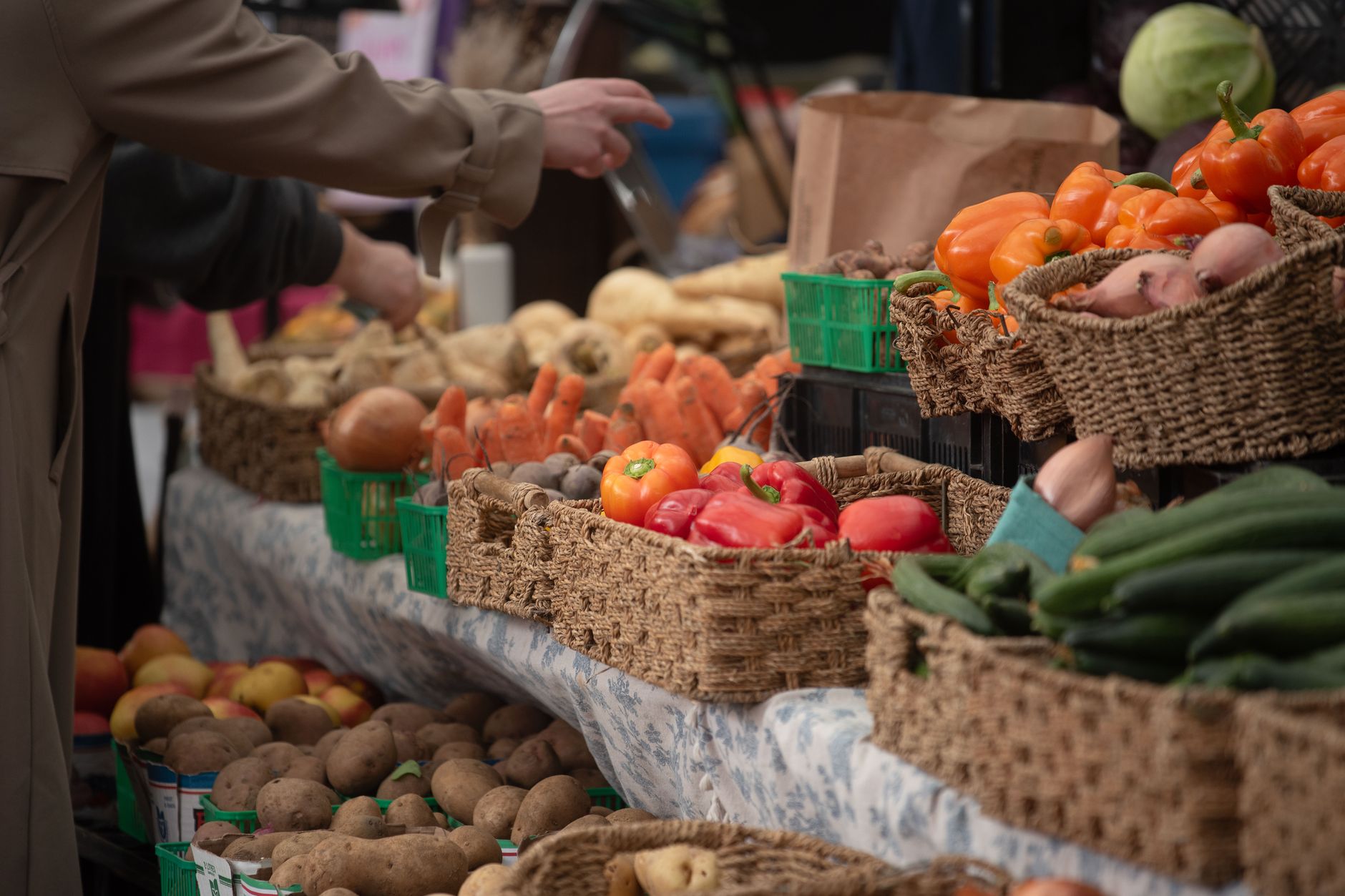
Market Basket is a term that encompasses a variety of products offered in grocery stores, particularly in relation to promotions, discounts, and budget-friendly choices. Understanding what items are typically included in a market basket can help shoppers make informed decisions when planning their meals, managing their budgets, and optimizing their grocery shopping experience.
This guide will delve into the concept of the Market Basket, exploring its ingredients, taste, culinary uses, and tips for selecting the best items for your culinary needs. Whether you’re a casual cook or a seasoned chef, knowing how to navigate this essential part of grocery shopping can elevate your meal planning and enhance your cooking skills.
What Is Market Basket?
The term “Market Basket” refers to a compilation of commonly purchased food items that can serve as a baseline for grocery shopping. In economic terms, a market basket is used to track inflation and changes in consumer prices. For everyday shoppers, it can represent a collection of staple foods and ingredients relied upon for everyday cooking and meal preparation.
In a practical context, the Market Basket includes a variety of components such as grains, proteins, dairy products, fruits, vegetables, and pantry staples. This assortment can vary by region, dietary preferences, and personal tastes, but understanding its contents can guide you in making healthier and more economical shopping choices.
Common Ingredients in a Market Basket
When planning your market basket, it helps to consider the core food groups that will provide balanced nutrition and versatility in your cooking. Here are common ingredients you might find in a well-rounded market basket:
- Grains: Brown rice, quinoa, whole wheat pasta, oats, and bread.
- Proteins: Chicken, ground turkey, beans, lentils, tofu, and eggs.
- Dairy and Dairy Alternatives: Milk, yogurt, cheese, and almond or soy milk.
- Fruits: Apples, bananas, berries, oranges, and seasonal produce.
- Vegetables: Spinach, carrots, broccoli, bell peppers, and onions.
- Pantry Staples: Olive oil, vinegar, spices, salt, flour, and sugar.
Understanding the Taste and Flavor Profiles
The ingredients in a market basket are typically versatile, allowing for a wide range of flavor combinations and meal types. Understanding the taste and flavor profiles of these ingredients can broaden your cooking options.
Grains
Grains often have a nutty or earthy flavor, providing a hearty base to various dishes. Brown rice, for instance, has a chewy texture and subtle taste that pairs well with vegetables and proteins. Quinoa boasts a slightly nutty flavor, while oats provide a mild sweetness when used in breakfast recipes.
Proteins
Proteins can contribute richness and flavor depth to meals. Chicken is often seasoned to enhance its mild flavor, while ground turkey has a similar taste and can be flavored in various ways. Beans and lentils are rich in umami, making them excellent meat substitutes in many dishes.
Dairy and Alternatives
Dairy products add creaminess and tang to recipes. Yogurt can be used in salads or as a dressing base, while cheese adds richness to pastas and casseroles. Dairy alternatives like almond and soy milk can provide varying flavors suited for those with dietary restrictions.
Fruits and Vegetables
Fruits offer sweetness and acidity, balancing savory dishes. Apples and oranges can add freshness, while berries contribute vibrant color and flavor. Vegetables, on the other hand, offer a range of tastes from sweetness (like bell peppers) to bitterness (like kale), allowing for extensive culinary creativity.
Pantry Staples
Oils and vinegars are crucial in creating balanced dressings and marinades. Spices like cumin, paprika, and oregano can transform a dish, adding warmth and complexity. Flour and sugar are fundamental for baking and can be easily substituted for healthier options or alternatives.
Culinary Uses of Market Basket Ingredients
Understanding the culinary applications of each ingredient can enhance your cooking and allow for greater flexibility during meal planning. Here’s how to make the most of your market basket items.
Grains
Grains can serve as the foundation for meals or be incorporated into salads and sides. Here are a few ways to use grains:
- Make a nourishing grain bowl by layering cooked quinoa with vegetables and protein.
- Prepare a hearty vegetable and rice soup, incorporating seasonal vegetables.
- Utilize oats for breakfast by cooking them with milk or water and adding fruits and nuts.
Proteins
Proteins should be versatile in cooking. Here are some suggestions:
- Grill chicken breast and serve with a side of roasted vegetables.
- Use ground turkey in tacos or spaghetti sauce for a healthier twist.
- Prepare a big batch of lentil soup to enjoy throughout the week.
Dairy and Alternatives
Dairy and alternatives also offer various uses:
- Incorporate yogurt into smoothies or as a topping for oatmeal.
- Cheese can be grated over salads or melted into pasta dishes.
- Use almond milk in baking or cooking to provide a subtle nutty taste.
Fruits
Fruits can add flavor and variety:
- Add fresh fruits to salads for a refreshing twist.
- Incorporate berries into yogurt or smoothies as a nutrient-dense snack.
- Slice apples for a healthy dessert or snack with nut butter.
Vegetables
Vegetables are best when they’re fresh and cooked properly. Consider these cooking methods:
- Roast a variety of vegetables drizzled with olive oil for a delicious side.
- Stir-fry vegetables with protein for a quick and healthy weeknight meal.
- Add leafy greens to soups or already prepared dishes to boost nutrition.
Pantry Staples
Here’s how to maximize pantry staples:
- Create homemade salad dressings using olive oil and vinegar.
- Experiment with spice blends to elevate the flavor of your dishes.
- Use flour and sugar for baking, ensuring to check for allergen-friendly substitutes as needed.
Shopping Tips for Building Your Market Basket
Building a market basket doesn’t have to be overwhelming. With some thoughtful planning and a few tips, you can create a systematic approach aimed at saving money and time.
1. Create a Shopping List
Before you head to the grocery store, create a shopping list based on recipes you plan to make that week. This ensures you only buy what you need and minimizes food waste.
2. Focus on Seasonal Produce
Opt for fruits and vegetables that are in season. They tend to be more affordable and taste better than out-of-season options. Check your local farmer’s market for fresh and possibly organic options.
3. Buy in Bulk
For whole grains, beans, and nuts, consider purchasing in bulk. Buying larger quantities can be cost-effective and allows you to save on packaging.
4. Look for Sales and Coupons
Utilize store flyers to find sales on items you regularly purchase. Many grocery stores also offer digital coupons that can lead to significant savings.
5. Choose Generic Brands
Store brands can be just as high in quality as name-brand products while generally being more affordable. Don’t hesitate to experiment with these alternatives.
6. Join Loyalty Programs
Many grocery chains have loyalty programs that offer discounts and rewards. Signing up can help you save money on future purchases.
Common Mistakes and Troubleshooting
When it comes to shopping and managing your market basket, it’s not uncommon to make a few mistakes. Here are some common pitfalls and how to avoid them:
1. Impulse Buying
Temptation is real in grocery stores. Stick to your list to avoid picking up items you don’t need.
2. Overbuying Produce
Fresh produce has a limited shelf life. Buy only what you need to prevent spoilage and waste.
3. Neglecting to Check Expiration Dates
Always check the expiration dates on dairy, meat, and dry goods. Make it a habit to look at labeling.
4. Not Using Leftovers
Plan meals with an emphasis on using leftovers. This can save time and decrease waste.
5. Inadequate Ingredient Substitutions
If you run out of an essential ingredient, it’s easy to make a hasty substitution. Ensure you know how alternatives affect flavor and cooking times.
Meal Planning and Preparation with Market Basket Ingredients
Meal planning is a strategic way to use your market basket effectively. Here’s how you can create weekly meal plans utilizing these ingredients:
1. Choose Your Recipes
Pick a few recipes each week that utilize core ingredients within your market basket. Aim for a mix of proteins, grains, and vegetables to ensure balanced meals.
2. Batch Cooking
Batch cooking staples like grains and proteins at the beginning of the week can simplify meal assembly throughout the week. Store them in the fridge for easy access.
3. Use Leftovers Wisely
Plan meals that can transform leftovers into something new. For example, cooked chicken can be used in tacos one night and in a salad the next.
4. Prepare Snacks
Incorporate healthy snacks using fruits, nuts, and yogurt to keep energy levels stable. Cut up vegetables for easy snacking throughout the week.
5. Stay Flexible
Be open to swapping meals or ingredients based on what you have on hand or what looks good at the store. This flexibility will reduce waste and keep your meals interesting.
Storing and Preserving Market Basket Ingredients
Proper storage can prolong the lifespan of your market basket ingredients and prevent spoilage:
Grains
Store grains in airtight containers in a cool, dry place. This helps prevent pests and maintain freshness.
Proteins
Raw proteins should be stored in the refrigerator, used within recommended timeframes. Cooked proteins can be refrigerated for up to four days or frozen for later use.
Dairy
Keep dairy products in the main compartment of your fridge. Always check for freshness before use.
Fruits and Vegetables
Store fruits and vegetables separately since some fruits emit ethylene gas, which can speed up the ripening of vegetables. Use perforated bags for storage to maintain airflow.
Pantry Staples
Keep pantry staples in a cool, dry place to avoid clumping, spoilage, or attracting pests. Regularly check expiration dates to ensure your supplies are fresh.
Final Thoughts
Understanding the concept of the Market Basket not only helps with effective shopping but also encourages more thoughtful meal planning and preparation. The items covered in this guide can serve as the cornerstone of your culinary practice, allowing for creativity in the kitchen while remaining budget-conscious.
For further reading on ingredient substitutions, check out “What Is a Good Substitute for Rosemary,” or learn about “What Is Molasses Made From” to expand your culinary knowledge.