
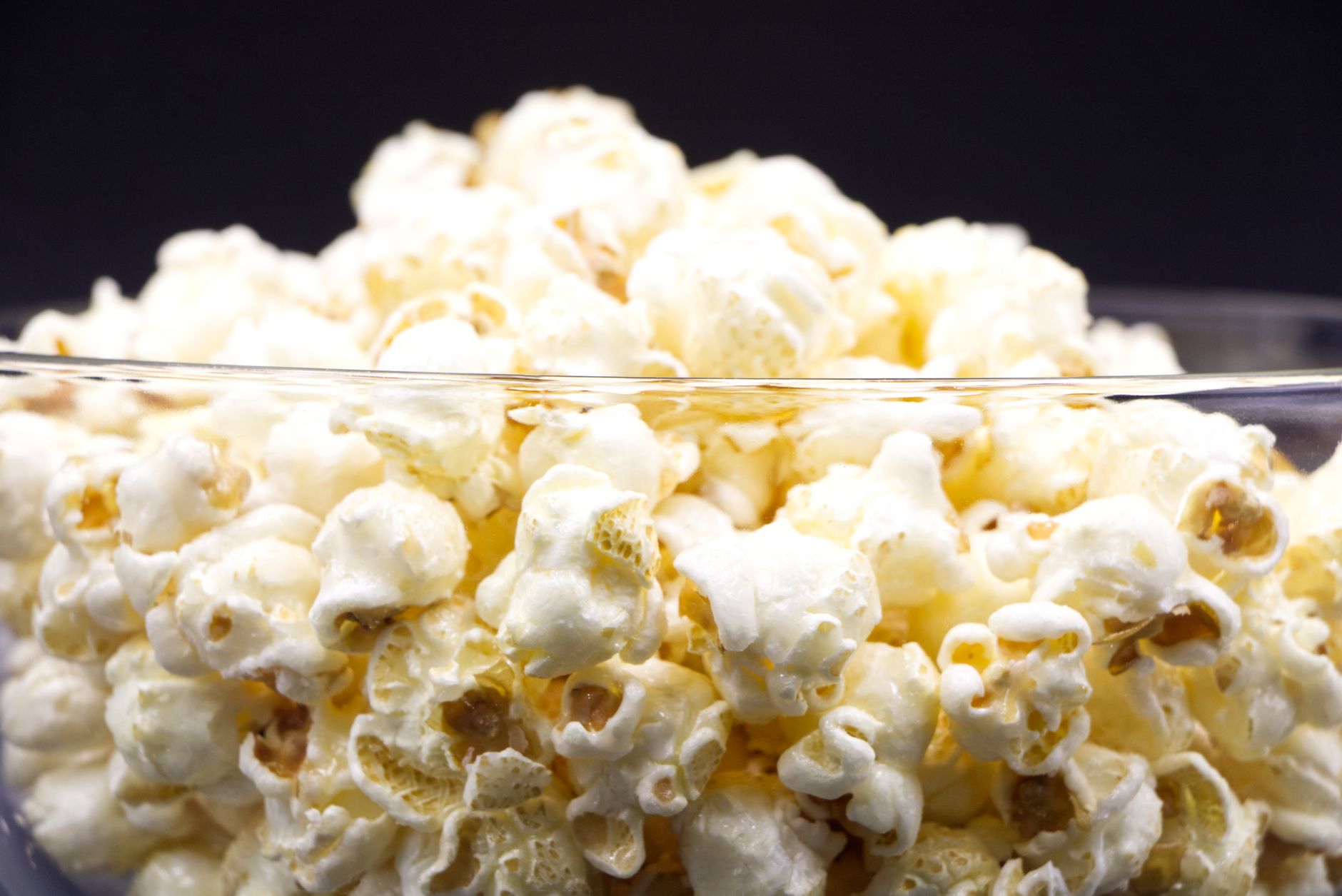
Popcorn is a beloved snack enjoyed by many during movie nights, casual get-togethers, or simply as a light munchie. Its airy texture and adaptiveness to different flavors make it a favorite among snack enthusiasts. But how many calories are in a bag of popcorn? This article takes a detailed look at the calorie count, serving sizes, and other nutritional aspects of popcorn.
Understanding the caloric content of popcorn not only helps in making informed eating choices but also lets you enjoy this delicious treat without guilt. So let’s explore the nutritional details, serving sizes, and some practical tips on how to enjoy popcorn as part of a balanced diet.
How Many Calories Does A Bag Of Popcorn Have?
A typical bag of microwave popcorn contains between 400 to 600 calories, depending on the brand and flavor. Most serving sizes range from 2 to 4 cups, which averages around 100 to 200 calories per serving. Factors such as added oils, butter, and seasonings can significantly affect the calorie count. For example, popcorn prepared with butter or oil will generally have higher caloric content compared to air-popped popcorn.
Popcorn Types and Their Caloric Content
Popcorn comes in various forms, including air-popped, oil-popped, and kettle corn, each with its own caloric values. Let’s dive into the main types of popcorn:
- Air-Popped Popcorn: This is the healthiest option with approximately 30 calories per cup. A full bag (about 10 cups) would have around 300 calories.
- Oil-Popped Popcorn: This variety contains about 55 calories per cup. A standard bag often holds around 8 cups, leading to a total of roughly 440 calories.
- Microwave Popcorn: Depending on the brand, this usually ranges from 30 to 60 calories per cup. A 3.5-ounce bag typically contains 400 to 600 calories.
- Kettle Corn: This sweet variation includes sugar in the preparation and has about 60 calories per cup, totaling around 480 calories for a standard 8-cup serving.
Understanding Serving Sizes
When considering the calories in popcorn, it is essential to understand serving sizes. The U.S. Food and Drug Administration (FDA) defines a serving of popped popcorn as approximately 3 cups, equating to about 100 to 120 calories for air-popped varieties. Here’s a breakdown:
- Air-Popped: 1 serving = 3 cups = ~90 calories
- Oil-Popped: 1 serving = 3 cups = ~165 calories
- Microwave Popcorn: 1 serving = 2.5 to 3 cups = ~200 to 300 calories
Caloric Impact of Additives
The way popcorn is prepared significantly impacts its nutritional values. Additives such as butter, oil, cheese, caramel, or spices can all increase the calorie count. Here’s a look at common toppings and their caloric implications:
- Butter: A tablespoon of butter adds about 100 calories.
- Cheese Powder: One tablespoon of cheese powder can contribute around 25 calories.
- Sugar: A tablespoon of sugar adds roughly 48 calories, common in sweet varieties like kettle corn.
- Oil: One tablespoon of oil adds about 120 calories, depending on the type of oil used.
When adding any toppings, it’s crucial to consider these additional calories, as they can swiftly increase the overall count of your popcorn snack.
Nutritional Value Beyond Calories
While calorie counting is useful, it’s also important to consider other nutritional benefits of popcorn. Here’s a brief overview:
- Whole Grain: Popcorn is a whole grain food, making it a good source of fiber.
- Dietary Fiber: A cup of air-popped popcorn contains around 1 gram of dietary fiber, which aids in digestion.
- Low in Fat: If prepared without oil or butter, popcorn is naturally low in fat.
- Vitamins and Minerals: Popcorn contains small amounts of vitamins and minerals, including magnesium, phosphorus, and vitamins B6 and E.
Health Considerations
For those mindful of their diet, popcorn offers a guilt-free alternative to many junk snacks, provided it is consumed mindfully. Here are some tips to make popcorn a healthier snacking option:
- Choose air-popped options when possible to minimize calorie intake.
- Limit or avoid butter and high-calorie toppings.
- Experiment with spices or nutritional yeast for flavor without extra calories.
- Be mindful of portion sizes—measuring servings can prevent overeating.
How to Prepare Popcorn
Popcorn preparation can range from simple air-popping to gourmet creations. Below are some popular methods for making delicious popcorn.
Air-Popped Popcorn
- Measure ¼ cup of popcorn kernels.
- Place in an air popper according to the manufacturer’s instructions.
- Once popped, season as desired with salt, spices, or a light drizzle of oil.
Stovetop Popcorn
- Heat a large pot over medium heat with 2 tablespoons of oil.
- Add ¼ cup of popcorn kernels to the hot pot.
- Cover with a lid, slightly ajar, to allow steam to escape.
- Shake the pot occasionally until popping slows to about 2 seconds between pops.
- Remove from heat and season as desired.
Microwave Popcorn
- Use a microwave-safe bowl and place ¼ cup of popcorn kernels inside.
- Cover the bowl with a microwave-safe lid.
- Microwave on high for about 2 to 4 minutes, listening for when popping slows.
- Season as desired.
Common Mistakes When Preparing Popcorn
While making popcorn is relatively straightforward, there are pitfalls to avoid to ensure you get the best flavor and texture:
- Overheating the oil can lead to bitter-tasting popcorn.
- Using too much oil can make popcorn greasy and heavier in calories.
- Not allowing steam to escape can lead to chewy popcorn instead of light and crispy.
Creative Ways to Enjoy Popcorn
Popcorn is versatile and lends itself well to various flavor profiles. Here are some creative seasoning ideas:
- Garlic and Parmesan: Toss with garlic powder and fresh Parmesan for a savory treat.
- Sweet Cinnamon: Dust with cinnamon and a bit of sugar for a sweet snack.
- Spicy Chili: Sprinkle with chili powder and lime for a kick.
Storage and Shelf Life
If you happen to make popcorn in bulk, you may be wondering how to store it. Here’s how to best keep your popcorn fresh:
- Store unpopped kernels in a cool, dry place. They have a long shelf life if kept away from moisture.
- Popped popcorn can be stored in an airtight container at room temperature for 1-2 weeks.
Conclusion
In summary, popcorn can be a delicious and healthy snack option, with calorie counts varying widely depending on the preparation method and toppings. By opting for air-popped varieties and being mindful of portion sizes and seasonings, you can enjoy popcorn without the guilt.
For those interested in expanding their popcorn repertoire, try making popcorn balls, or flavor them with unique seasonings. Explore our recipes for popcorn balls and popcorn seasoning to add some variety to your snacking experience.