
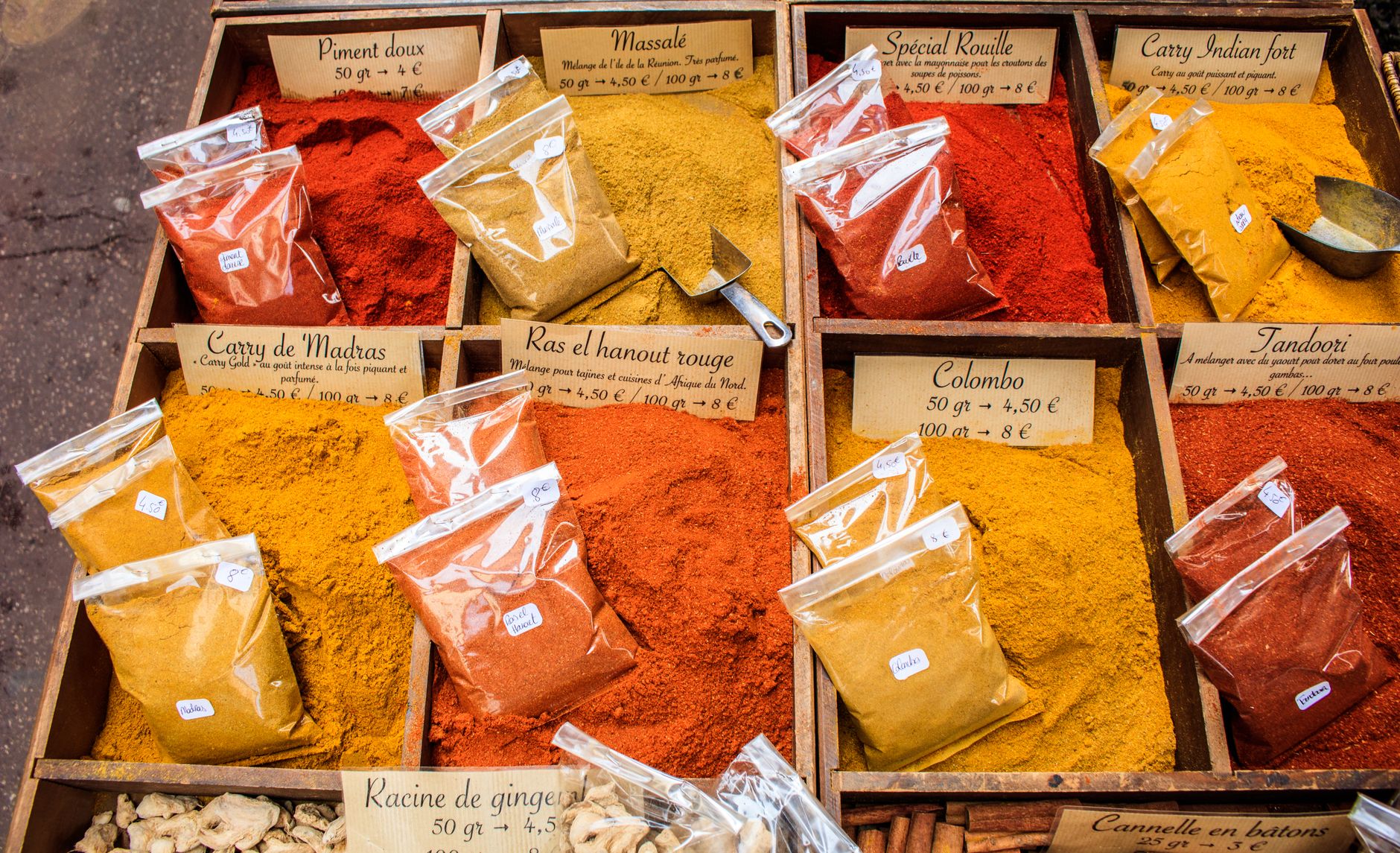
Madras curry powder is a vibrant and aromatic spice blend that originates from South India, specifically the city of Madras, now known as Chennai. This curry powder is known for its rich, warm flavors and versatility, making it a popular choice for various dishes beyond traditional Indian cuisine.
Often characterized by its deep red color and robust flavor profile, Madras curry powder can elevate everything from meats to vegetables. In this article, we will explore the taste, texture, kitchen uses, and preparation of Madras curry powder, helping you understand how to incorporate it effectively into your cooking.
What Is Madras Curry Powder?
Madras curry powder is a spice blend that typically includes a combination of ground turmeric, coriander, cumin, red chili powder, and sometimes other spices such as mustard seeds, fenugreek, and black pepper. Its unique combination of spices gives it a distinctive flavor that is both aromatic and spicy, often leaning towards hot rather than mild.
The blend can vary significantly between brands and home-made versions, which may include additional spices such as cinnamon, cloves, or cardamom, offering a complex flavor that can be tailored to individual preference.
Taste and Aroma Profile
The flavor of Madras curry powder is bold, with a strong presence of heat from the chili powder that provides a warm kick. The earthiness of turmeric and the sweetness of coriander balance this heat, creating a robust and complex flavor profile. Other spices contribute fragrance and depth, making it a multi-dimensional seasoning.
The aroma of Madras curry powder is equally enticing, characterized by warm, spicy notes that can fill a kitchen with an inviting scent when heated. The spiciness can be moderated or enhanced depending on the quantity used in a dish, allowing for versatility in its applications.
Texture of Madras Curry Powder
Madras curry powder typically has a fine texture, similar to other spice powders. This allows it to blend seamlessly into dishes, coating ingredients evenly. When added to liquids during cooking, it can form a smooth, flavorful sauce that enhances the overall texture of the dish.
Freshly ground Madras curry powder can have a slightly coarser texture due to the presence of whole spices that have not been fully pulverized. Choosing a high-quality blend will ensure a consistent texture and better flavor absorption.
Common Kitchen Uses for Madras Curry Powder
Madras curry powder is incredibly versatile and can be used in a variety of dishes, including:
- Curries: The most traditional use, where it serves as the main seasoning for meat, seafood, and vegetable curries.
- Soups: It can be added to lentil or vegetable soups for extra flavor and warmth.
- Rice Dishes: Enhance basmati rice or biryani by incorporating it directly into the cooking liquid.
- Marinades: Combine with yogurt and lemon juice to create a flavorful marinade for grilled or roasted meats and seafood.
- Vegetable Stir-fries: Sprinkle it over vegetables during cooking to infuse them with a warm, spicy flavor.
How to Use Madras Curry Powder in Cooking
Incorporating Madras curry powder into your dishes is simple. Here are some guidelines:
- Start Small: Begin with one teaspoon for less heat and gradually increase to taste.
- Heat Before Use: Lightly toasting the powder in oil before adding other ingredients can enhance its flavors.
- Combine with Other Ingredients: Use alongside garlic, ginger, onions, and tomatoes for a classic base in curries.
A Simple Madras Curry Recipe
Try this easy Madras chicken curry recipe to see the spice blend in action.
Yield: 4 servings
Preparation Time: 10 minutes
Cooking Time: 30 minutes
Total Time: 40 minutes
Ingredients
- 1 lb chicken, cut into pieces
- 2 tablespoons Madras curry powder
- 1 large onion, diced
- 2 garlic cloves, minced
- 1 tablespoon ginger, minced
- 1 can (14 oz) diced tomatoes
- 1 cup coconut milk
- 2 tablespoons oil (vegetable or coconut)
- Salt to taste
- Fresh cilantro for garnish
Essential Equipment
- Large skillet or sauté pan
- Spatula or wooden spoon
- Knife and cutting board
Cooking Method
- Heat oil in a large skillet over medium heat.
- Add the diced onions and sauté until golden brown, about 5 minutes.
- Stir in the minced garlic and ginger, cooking for an additional minute until fragrant.
- Add the chicken pieces and cook until browned on all sides.
- Sprinkle the Madras curry powder over the chicken, stirring to coat thoroughly.
- Pour in the diced tomatoes and coconut milk, bringing the mixture to a simmer.
- Season with salt to taste, cover the pan, and let it simmer for 20 minutes, or until the chicken is cooked through.
- Garnish with fresh cilantro before serving, and enjoy with rice or naan.
Substitutions and Variations
If you don’t have Madras curry powder on hand, you can create a quick substitute by mixing:
- 1 tablespoon curry powder (preferably a bold blend)
- 1 teaspoon cayenne or chili powder (adjust for heat)
- 1 teaspoon ground cumin
- 1/2 teaspoon ground turmeric
This combination will offer a similar flavor profile, although it may not be exactly like traditional Madras curry powder.
Common Mistakes When Using Madras Curry Powder
Here are some common pitfalls to avoid:
- Using Too Much: Overdoing it can make dishes overwhelmingly spicy and unbalanced. Start with less and adjust.
- Not Cooking the Spices: Adding the powder at the wrong time can dull its flavor. Toasting it in oil enhances the spices’ natural oils and aroma.
- Using Old or Stale Powder: Spices lose their potency over time. Ensure your curry powder is fresh for the best flavor.
Storing Madras Curry Powder
To preserve the potency of Madras curry powder, store it in an airtight container in a cool, dark place, such as a pantry or cabinet away from heat sources. Proper storage can retain its flavor for up to six months.
However, while the powder may still be safe to eat after this period, the flavor and aroma may start to diminish. It’s advisable to check for any off smells or discoloration before using older spices.
Health Considerations
Madras curry powder is made from spices that may offer various health benefits, such as anti-inflammatory properties and antioxidants found in turmeric. However, the health implications can vary based on overall dietary habits and individual health conditions. It’s best to use it as part of a balanced diet.
Exploring Regional Variations of Curry Powder
While Madras curry powder is specific to South India, there are several regional variations to explore:
- Garam Masala: A North Indian blend often used as a finishing spice, featuring cardamom, cloves, and cinnamon for a sweeter flavor.
- Jamaican Curry Powder: Incorporates allspice and lacks the heat of Indian curry powders, offering a milder flavor.
- Thai Curry Powder: Contains lemongrass and galangal, giving it a distinctly fresh and citrusy flavor profile.
Each type offers unique tastes and can enhance a variety of dishes from their respective cuisines.
Final Thoughts
Madras curry powder is a versatile spice blend that can enhance a wide array of dishes, adding warmth, complexity, and robust flavor. Whether used in traditional Indian recipes or in creative fusion dishes, its aromatic qualities make it a valuable addition to your spice cabinet.
For your next culinary adventure, consider trying out Madras curry powder in various recipes. You might be surprised by how well it works in unexpected dishes.
To further enhance your cooking skills, check out related recipes like how to make chili seasoning or a delicious shrimp curry recipe.