
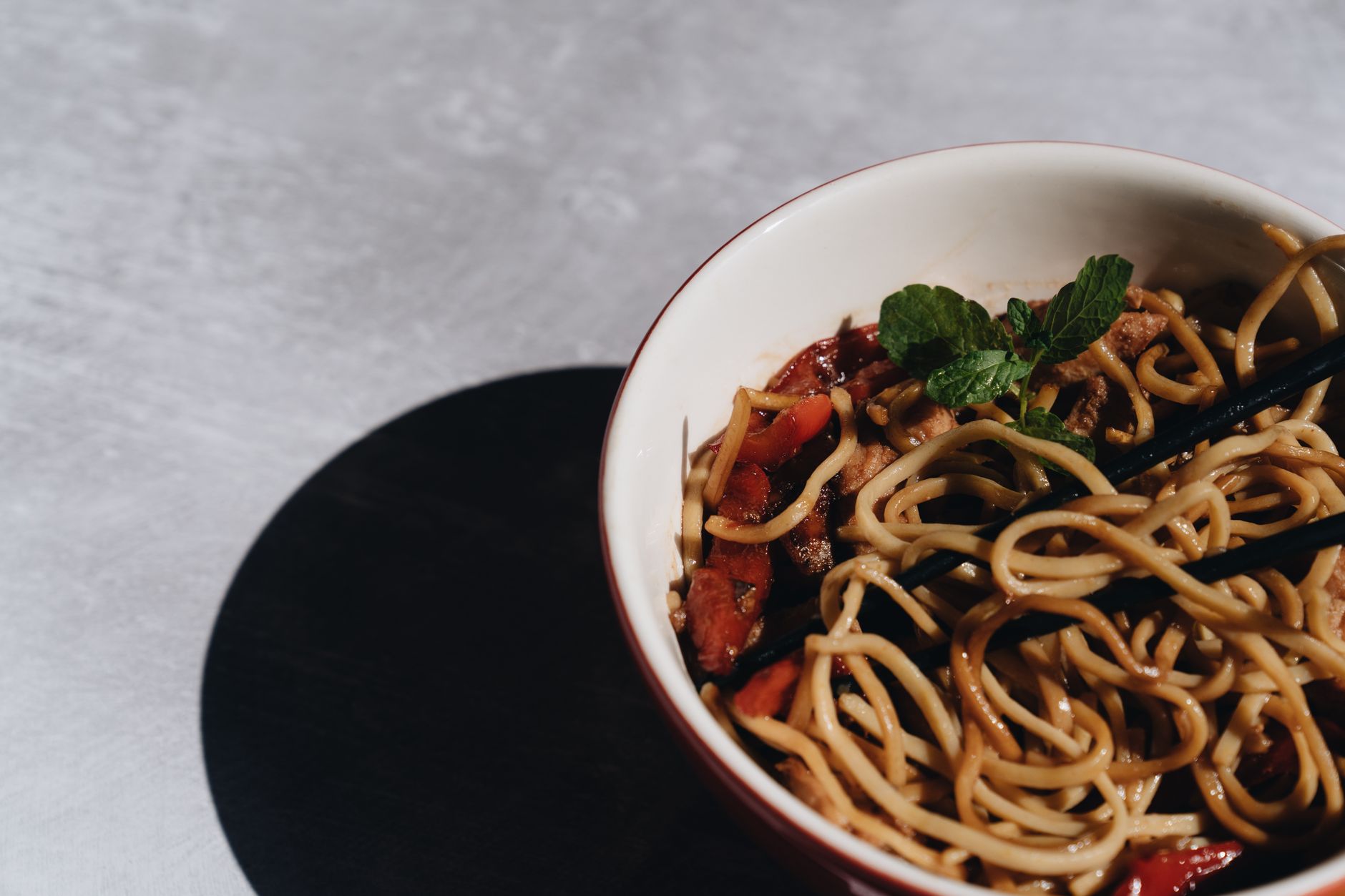
Drunken noodles are a popular Thai dish, known for their bold flavors and unique combination of ingredients. Their name often sparks curiosity, prompting many to explore their culinary background and significance. The original Thai name for drunken noodles is “Pad Kee Mao,” which translates to “stir-fried drunkards” in English.
This dish’s origins are steeped in Thai culture, where both the preparation and the culinary elements reflect the vibrant streets of Thailand. Beyond its intriguing name, drunken noodles are celebrated for their satisfying texture, spicy kick, and rich flavors, making them a beloved choice in Thai cuisine.
What Is Drunken Noodles Called?
The dish known as drunken noodles is called “Pad Kee Mao” in Thailand. It’s a stir-fried noodle dish that combines wide rice noodles with vegetables, protein, and bold flavors, typically featuring spicy elements, basil, and soy sauce.
Understanding Pad Kee Mao (Drunken Noodles)
Pad Kee Mao, or drunken noodles, are renowned worldwide for their exciting flavor profile and satisfying texture. While the dish’s specific origins remain somewhat debated, it is widely accepted that Pad Kee Mao was created in Thailand. The combination of rice noodles, fresh vegetables, protein, and aromatic spices makes it a well-loved street food item.
Flavor Profile and Texture
Drunken noodles are characterized by a rich, savory, and often spicy flavor, thanks to the inclusion of ingredients like Thai basil, chili, and soy sauce. The wide rice noodles create a chewy texture, offering a delightful contrast to the crunch of vegetables. This combination results in an enticing dish that appeals to many palates.
Cultural Significance
In Thai culture, food often serves as both sustenance and a means for social gatherings. Drunken noodles are no exception. The name “drunken” is believed to reference the popular pairing of the dish with beer or other alcoholic beverages, making it a favored option for late-night meals among locals and tourists alike.
Key Ingredients in Drunken Noodles
To make authentic Pad Kee Mao, several key ingredients are required. Understanding these ingredients will help you appreciate the dish’s depth of flavor and provide insight into how to create your version at home.
- Wide Rice Noodles: These are the base of the dish, providing the structure and chewy texture that drunken noodles are known for.
- Protein: Common proteins include chicken, shrimp, or tofu. The choice of protein can greatly affect the dish’s flavor and appeal to a diverse audience.
- Thai Basil: Known for its slightly peppery flavor, Thai basil is a crucial ingredient that adds aromatic notes to the dish.
- Vegetables: Bell peppers, carrots, and broccoli are typical choices, adding color, crunch, and nutrition.
- Chili: Fresh or dried chili peppers introduce a spicy kick, which can be adjusted based on personal preference.
- Soy Sauce and Oyster Sauce: These sauces contribute to the savory, umami flavor of the dish. They help achieve the characteristic glossiness and depth.
How to Make Drunken Noodles
Here’s a simple recipe outlining how to prepare delicious drunken noodles at home. This recipe serves four and includes preparation, cooking, and total time estimates.
Recipe Overview
- Servings: 4
- Preparation Time: 15 minutes
- Cooking Time: 15 minutes
- Total Time: 30 minutes
Ingredients
- 12 oz wide rice noodles
- 1 lb shrimp, chicken, or tofu, sliced
- 1 cup bell peppers, sliced
- 1 cup broccoli florets
- 1 cup Thai basil leaves
- 3 cloves garlic, minced
- 2-3 fresh Thai red chili, sliced (adjust for spice level)
- 3 tbsp soy sauce
- 2 tbsp oyster sauce
- 1 tsp sugar
- 2 tbsp vegetable oil
Essential Equipment
- Large pot for boiling noodles
- Wok or large skillet for stir-frying
- Wooden spatula or spatula
- Measuring spoons and cups
- Knife and cutting board
Step-by-step Instructions
- Preparation: Boil water in a large pot. Add the wide rice noodles and cook according to package instructions until al dente. Drain and rinse with cold water to stop cooking. Set aside.
- Heat oil: In a wok or large skillet, heat vegetable oil over medium-high heat.
- Add garlic and chili: Sauté the minced garlic and sliced chili for about 30 seconds until fragrant, being careful not to burn them.
- Cook protein: Add your choice of protein (shrimp, chicken, or tofu) to the wok. Cook until fully cooked through, about 3-5 minutes.
- Add vegetables: Stir in the sliced bell peppers and broccoli florets. Sauté for an additional 3 minutes until the vegetables are tender yet crisp.
- Add noodles: Add the cooked noodles to the skillet. Stir in the soy sauce, oyster sauce, and sugar, mixing everything thoroughly until the noodles are heated through and well-coated.
- Finish with basil: Finally, add the Thai basil leaves and stir-fry for another minute until the basil is wilted.
- Serve: Remove from heat, plate the drunken noodles, and enjoy while hot!
Variations and Substitutions
Drunken noodles can be customized based on personal preferences and available ingredients. Here are some common variations and substitutions that can elevate this dish.
Protein Alternatives
- Beef: Substitute beef for a heartier protein. Just ensure it is sliced thinly to cook evenly.
- Vegetarian/Vegan Options: Use a medley of vegetables and tofu or tempeh for a satisfying vegan version.
Additional Vegetables
- Carrots: Thinly sliced carrots add sweetness and color.
- Snow Peas: Add fresh crunch and vibrant color.
- Mushrooms: Sliced mushrooms can enhance the umami flavor of the dish.
Heat Level Adjustments
- Tame the spice: If you’re sensitive to heat, you can skip the Thai red chili or substitute with bell peppers for a milder dish.
- Boost the spice: For an extra kick, consider adding a dash of chili flakes or a spicy sauce like sriracha.
Common Mistakes and Tips
To ensure your drunken noodles are delicious and well-prepared, here are some common mistakes to avoid and helpful tips.
Common Mistakes
- Overcooking the noodles: Drain the noodles when they are al dente, as they will continue to cook in the wok.
- Soggy noodles: Rinse the noodles in cold water after boiling to prevent sticking and sogginess.
- Not enough heat: Ensure the skillet is hot enough before adding ingredients for effective stir-frying.
Helpful Tips
- Use fresh ingredients: Fresh vegetables and proteins enhance the dish’s overall flavor profile.
- Prep ahead: Chop vegetables and proteins before beginning, ensuring a smooth cooking process.
- Experiment: Don’t hesitate to try different vegetables and proteins. This dish is versatile!
Serving Suggestions and Make-Ahead Options
While drunken noodles are best enjoyed fresh, they can also be stored for later meals. Here are some serving suggestions and advice for make-ahead options.
Serving Suggestions
- Garnish: Consider garnishing with additional Thai basil or lime wedges for a burst of freshness.
- Pairing: Serve alongside a refreshing Thai salad or spring rolls to complete the meal.
Make-Ahead Options
To prepare for a busy week, you can chop your vegetables and protein in advance. Store them in airtight containers in the refrigerator. However, it is recommended to cook the noodles fresh for optimal texture.
Storage and Reheating Guidance
Leftover drunken noodles can be stored in the refrigerator for up to three days. Here’s how to store and reheat them appropriately:
Storage
Store leftovers in an airtight container in the refrigerator. Ensure they have cooled down before sealing to prevent condensation.
Reheating
- Microwave: Heat in short intervals, stirring occasionally, until warmed through.
- Stovetop: Reheat in a skillet over medium heat with a splash of water or oil to prevent sticking.
Conclusion
Drunken noodles, or Pad Kee Mao, offer a delightful blend of flavors, textures, and cultural significance that make them a go-to dish for many. With the right ingredients and techniques, you can easily replicate this beloved Thai dish in your own kitchen. Try out the recipe, customize it to your liking, and enjoy the vibrant taste of Thai cuisine right at home.
If you’re interested in exploring more recipes, check out this delicious chow fun recipe or learn how to make bulgogi for a varied culinary experience.