
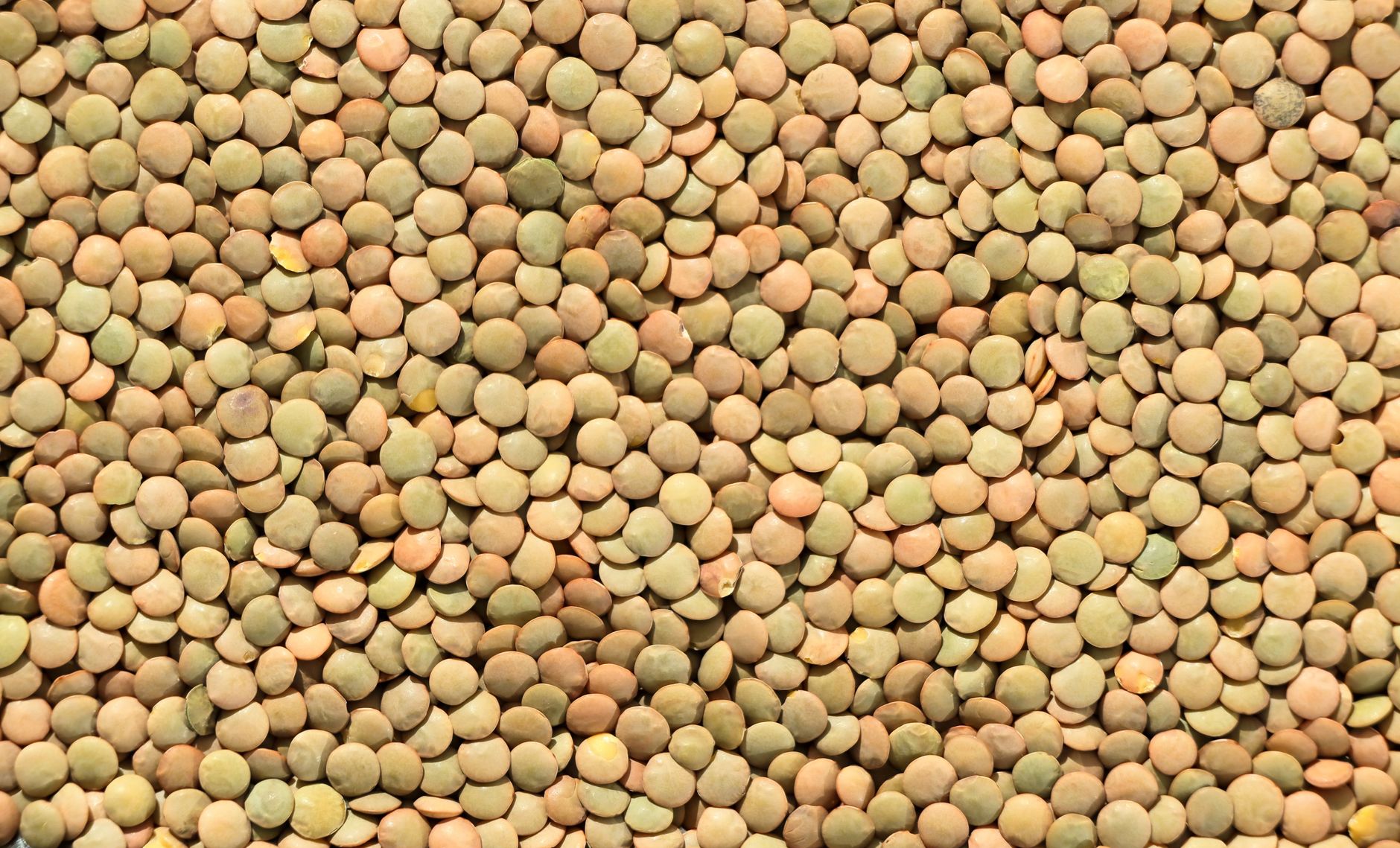
Lentils are small, lens-shaped legumes that are packed with nutrients and are a staple food in many cultures around the world. They are rich in protein, fiber, and various vitamins and minerals, making them a popular choice for those seeking healthy, plant-based food options.
Available in a variety of colors, including green, brown, red, and black, lentils can be enjoyed in a multitude of dishes, from hearty soups and salads to main courses and side dishes. Understanding the many aspects of lentils can help you incorporate them into your diet effectively.
What Is Lentil?
Lentils are seeds from a plant belonging to the legume family, known scientifically as Lens culinaris. They grow in pods, typically containing two seeds each, and can vary greatly in flavor and cooking times based on their type and color.
As a food source, lentils are approximately 25% protein by weight, making them one of the most efficient sources of plant-based protein available. They also provide high-quality fiber, which can help promote a healthy digestive system.
Types of Lentils
There are several varieties of lentils, each with its own unique flavor, texture, and culinary uses. The following are some of the most common types:
- Brown Lentils: The most common variety, brown lentils have a mild, earthy flavor and hold their shape well when cooked. They take about 20-30 minutes to cook.
- Green Lentils: These lentils have a slightly peppery flavor and are often used in salads and side dishes. They take a bit longer to cook than brown lentils, usually around 30-40 minutes.
- Red Lentils: Also known as split lentils, red lentils cook quickly and tend to break down, making them ideal for soups and purees. They usually take about 15-20 minutes to cook.
- Black Lentils (Beluga): Named for their resemblance to caviar, these small black lentils have a rich, earthy flavor and maintain their shape after cooking. They typically take about 25-30 minutes to prepare.
- Puy Lentils: Originating from the Le Puy region in France, these green lentils have a unique flavor and texture. They hold their shape well and are often used in gourmet dishes.
Nutritional Benefits of Lentils
Lentils are celebrated not just for their culinary versatility, but also for their numerous health benefits. Here are some key nutritional components:
- High in Protein: Lentils are an excellent source of plant-based protein, making them a vital food for vegetarians and vegans.
- Rich in Fiber: They are high in both soluble and insoluble fiber, which aids in digestion and helps lower cholesterol levels.
- Low in Fat: Lentils are naturally low in fat, making them a heart-healthy choice.
- Vitamin and Mineral Content: Lentils are rich in iron, folate, magnesium, and potassium, essential nutrients for overall health.
How to Cook Lentils
Cooking lentils is straightforward, but it does vary slightly depending on the type. Here is a basic method for cooking various lentil types:
Basic Cooking Instructions
- Rinse the Lentils: Before cooking, rinse lentils under cold water to remove any dirt or debris.
- Measure: Use about 1 cup of lentils to 3 cups of water or broth. Adjust the quantity based on your desired serving size.
- Soak (optional): While most lentils do not require soaking, soaking can help reduce cooking time for larger varieties.
- Bring to a Boil: In a pot, bring water or broth to a boil, then add the rinsed lentils.
- Simmer: Reduce heat to low, cover, and let the lentils simmer until tender. Cooking times will vary by type:
- Brown lentils: 20-30 minutes
- Green lentils: 30-40 minutes
- Red lentils: 15-20 minutes
- Black lentils: 25-30 minutes
- Season: Add salt towards the end of cooking to prevent the lentils from becoming tough. Flavoring with herbs and spices can enhance their taste.
- Drain and Serve: Once cooked, drain any excess liquid and serve as desired.
Common Cooking Mistakes to Avoid
Even seasoned cooks may encounter a few issues when cooking lentils. Here are some common mistakes and how to troubleshoot them:
- Overcooked Lentils: Lentils can become mushy if cooked too long, especially red lentils. Keep an eye on cooking times and taste test for doneness.
- Not Rinsing: Failing to rinse lentils can result in gritty textures. Always rinse before cooking.
- Adding Salt Too Early: Adding salt at the start of cooking can toughen the lentils. Wait until they are nearly done before seasoning.
- No Flavor: Lentils can be bland on their own. Incorporate aromatic vegetables, broth, or spices to boost flavor during cooking.
Flavor Pairings for Lentils
Lentils are versatile ingredients that can adapt to various flavor profiles. Consider these complementary ingredients when cooking:
- Aromatics: Onions, garlic, shallots, and leeks work beautifully as a base.
- Herbs: Fresh herbs like parsley, cilantro, and thyme enhance the taste, while spices such as cumin, coriander, or smoked paprika deepen the flavor.
- Vegetables: Carrots, celery, tomatoes, and leafy greens are excellent additions to lentil dishes.
- Proteins: Pair lentils with eggs, chicken, or fish for a complete meal.
- Grains: Lentils can be combined with rice, quinoa, or barley for a hearty dish.
Meal Planning with Lentils
Lentils are affordable and versatile, making them perfect for meal planning. Here are some tips to get started:
How to Incorporate Lentils into Your Meal Plan
- Batch Cooking: Prepare a large quantity of different lentil varieties at once. Store in the fridge for up to a week or freeze for longer storage.
- Mix and Match: Pair cooked lentils with grains, roasted vegetables, or salads for easy lunches and dinners throughout the week.
- Versatile Recipes: Use lentils in soups, stews, curries, and salads. Try using them as a meat substitute in dishes like tacos or burger patties.
- Snack Options: Cooked lentils can also be blended into dips or used in spreads for healthy snacks.
Storage and Reheating
When properly stored, lentils can last for a considerable amount of time, making them a valuable pantry staple:
Storage Guidelines
- Dry Lentils: Store in a cool, dry place in an airtight container. They can last for up to a year.
- Cooked Lentils: Refrigerate in a sealed container for up to one week. For longer storage, freeze in portions, where they can last up to three months.
Reheating Tips
When reheating lentils, they can be warmed in a saucepan over low heat with a bit of added water to prevent them from drying out. Stir occasionally until heated through.
Health and Dietary Considerations
Lentils can be a fantastic choice for various dietary needs:
- Vegetarian and Vegan: As a rich protein source, lentils are ideal for plant-based diets.
- Gluten-Free: Naturally gluten-free, lentils can be enjoyed by those with gluten sensitivities.
- Diabetics: Low on the glycemic index scale, they are good for blood sugar control.
Recipes Using Lentils
If you are looking for delicious ways to use lentils, consider these recipe ideas:
- Lentil Soup: Combine cooked lentils with vegetable broth, diced tomatoes, carrots, and spices for a hearty soup.
- Lentil Salad: Toss cooked lentils with diced vegetables, fresh herbs, and a simple vinaigrette for a refreshing salad.
- Lentil Tacos: Flavor cooked lentils with taco seasoning and serve in tortillas with your favorite toppings.
Lentils in Different Cuisines
Lentils are a key ingredient in various regional cuisines, showcasing their versatility:
- Indian Cuisine: Lentils are used in dishes like dal, which features spiced lentils often served with rice or bread.
- Middle Eastern Cuisine: They feature prominently in meals such as mujaddara, a rice and lentil dish, often garnished with fried onions.
- European Cuisine: Lentils are common in French salads and hearty British stews.
Understanding lentils and their uses will allow you to create nutritious and delicious meals. Whether you are looking to incorporate them into salads, soups, or as a meat substitute, they remain an excellent choice for any dish.
Explore more delicious recipes by checking out our guides on meal prep, affordable meals, or plant-based cooking techniques. You can find resources on breakfast ideas, quick dinner recipes, or healthy snacks that accommodate various dietary preferences.