
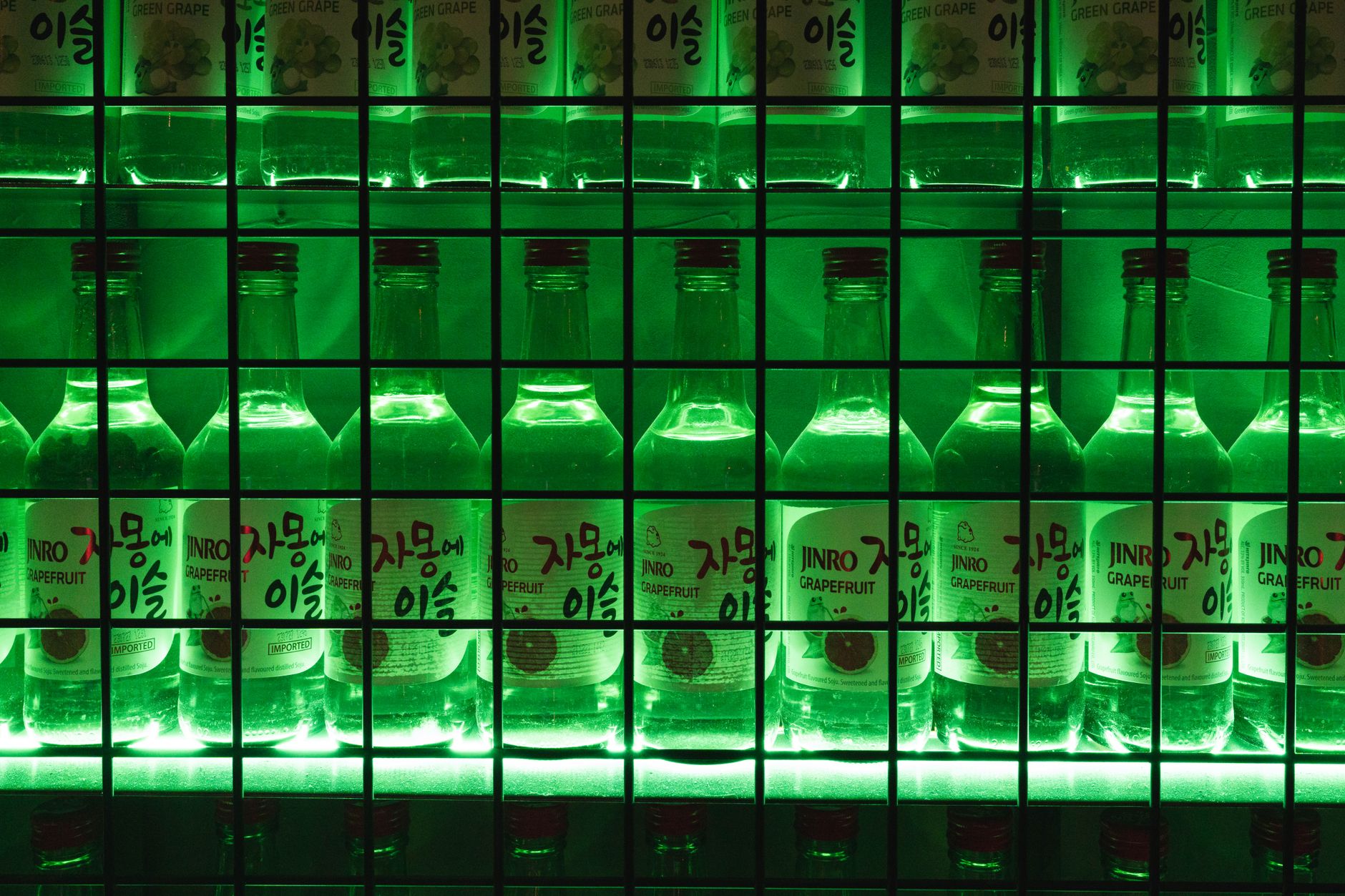
Korean soju is a traditional distilled alcoholic beverage that originates from Korea, known for its versatility and unique flavor profile. With an alcohol content typically between 15% to 25%, it serves as the perfect refreshing drink for various occasions, from casual gatherings to formal celebrations.
This clear liquor is often compared to vodka but carries its distinct characteristics, making it a staple in Korean cuisine and culture. In this guide, we will explore the ingredients, flavor, and serving suggestions for Korean soju to enhance your understanding and enjoyment of this beloved drink.
What Is Korean Soju?
Korean soju is a clear distilled spirit that is typically made from grains such as rice, wheat, or barley, though sweet potatoes or tapioca can also be used. It is renowned for its clean taste and is a significant element of Korean dining culture, often consumed alongside food.
Ingredients of Korean Soju
The basic ingredients of soju contribute to its flavor and quality. Here are the key components used in the production of traditional soju:
- Water: Pure, clean water is essential as it makes up a significant portion of soju.
- Starch source: Traditionally, soju is made from grains like rice, wheat, or barley. However, some varieties use tubers like sweet potatoes or starch from tapioca.
- Yeast: Yeast is used to ferment the sugars in the starch source, converting them into alcohol.
- Koji: In some processes, especially among traditional distillers, koji (a type of mold) is used to help break down starches into fermentable sugars.
Flavor Profile of Soju
The flavor of soju can vary based on the ingredients and methods used in its production. Below are some common flavor characteristics:
- Clean and Neutral: Most standard soju brands offer a clean and neutral taste, making it an ideal base for cocktails or to pair with food.
- Slightly Sweet: Some types have a subtle sweetness, particularly those made from sweet potatoes or rice, adding a unique character.
- Fruity Notes: Many brands produce flavored soju, incorporating fruits like peach, apple, or grapefruit, which can add a refreshing and aromatic quality to the drink.
How to Serve Soju
Serving soju properly enhances the drinking experience. Here are some practical guidelines on how to serve and enjoy soju:
Glassware
Soju is traditionally served in small shot glasses or cups, allowing for the drink to be enjoyed in small sips. This style of serving encourages communal drinking, often shared among friends or family during gatherings.
Temperature
Soju is best served chilled, around the same temperature as a cold beer. This can be achieved by refrigerating the soju beforehand or serving it over ice. However, serving it neat is also common.
Food Pairing
Soju complements a wide range of foods, particularly Korean cuisine. It pairs exceptionally well with:
- Korean BBQ: The crisp and neutral flavor of soju balances the rich, smoky flavors of grilled meats.
- Spicy Dishes: Its refreshing qualities can help neutralize the heat from spicy food, such as tteokbokki or kimchi.
- Seafood: Soju’s clean taste enhances the flavor of fresh seafood dishes.
Drinking Rituals
In Korea, drinking soju often involves specific social customs and rituals:
- It is customary to pour drinks for others rather than oneself, demonstrating respect and camaraderie.
- When receiving a drink, it’s common to use both hands as a sign of respect.
- A toast is usually made before drinking, with “geon-bae” meaning “cheers” in Korean.
Popular Types of Soju
While traditional clear soju is widely known, various types and brands offer unique flavors and characteristics. Here are a few notable examples:
Chamisul
Produced by HiteJinro, Chamisul is one of the most popular soju brands in Korea. It has a clean taste and is widely available internationally.
Andong Soju
This type of soju is known for its higher alcohol content (around 20-25%) and rich, fragrant aroma, often made using traditional methods that date back centuries.
Flavored Soju
Flavored soju has become increasingly popular, with varieties infused with fruit flavors like peach, grapefruit, and strawberry. These add a sweet and fruity dimension, appealing to a broader audience.
How to Make Your Own Soju Cocktail
Creating cocktails with soju can elevate your drinking experience. Here’s a simple recipe for a refreshing soju cocktail that is easy to prepare at home.
Soju Mojito
This delightful twist on the classic mojito provides a fruity and refreshing drink perfect for summer gatherings.
Ingredients
- 2 oz Korean soju
- 1 oz fresh lime juice
- 1 oz simple syrup
- Fresh mint leaves
- Soda water
- Ice cubes
- Mint sprig and lime wedge for garnish
Essential Equipment
- Shaker
- Glass
- Muddler (or a spoon)
Instructions
- In a shaker, muddle the mint leaves with lime juice and simple syrup to release the mint’s essential oils.
- Add the soju and fill the shaker with ice. Shake well until chilled.
- Strain the mixture into a glass filled with ice.
- Top with soda water to your desired taste and gently stir to combine.
- Garnish with a mint sprig and a lime wedge.
Possible Variations
You can personalize this cocktail by adding different fruits, such as strawberries or cucumbers, which can be muddled along with the mint for added flavor.
Common Mistakes and Troubleshooting
When making cocktails or serving soju, here are some common pitfalls to avoid:
- Using Warm Soju: Serving warm soju can take away from its refreshing quality. Always serve chilled.
- Overshadowing Soju’s Flavor: Using overly strong mixers can overpower soju’s flavor. Stick to light flavors that enhance its character.
- Poor Pairings: Certain foods may clash with soju’s clean taste. Avoid overly rich or overpowering dishes when serving soju.
Storage and Shelf Life of Soju
Proper storage can help maintain soju’s flavor over time:
- Store soju in a cool, dark place, away from direct sunlight to prevent degradation.
- Once opened, soju can last for several years if stored correctly, although it’s best enjoyed within a year for optimal flavor.
- Refrigerating opened soju is a good practice, especially if you enjoy drinking it chilled.
Why Soju Is Gaining Popularity Worldwide
In recent years, soju has gained traction outside of Korea, becoming increasingly popular in many countries. Here are some reasons contributing to its rising acclaim:
- Versatility: Soju’s neutral flavor allows it to be used in various cocktails and drink recipes.
- Cultural Appeal: The growing interest in Korean culture, driven by K-pop and Korean cuisine, has helped elevate soju’s profile.
- Lower Alcohol Content: Compared to many spirits, soju has a lower alcohol content, making it a more approachable choice for casual drinkers.
Conclusion
Korean soju is more than just a drink; it’s a cultural experience deeply embedded in Korean hospitality and dining traditions. Understanding its ingredients, flavor, and proper serving methods can significantly enhance your appreciation of this unique spirit. Whether enjoyed neat, on the rocks, or as part of a cocktail, soju offers a delightful way to connect with Korean culture. For a fun next step, try creating your own soju cocktail or inviting friends for a traditional Korean meal paired with this refreshing drink.
Explore related recipes such as ssamjang and gochujang sauce to further immerse yourself in the rich flavors of Korean cuisine.