
Hot dogs are a beloved staple, perfect for summer barbecues, picnics, or a quick weeknight meal. Knowing how long to cook hot dogs is essential for achieving the perfect balance of flavor and texture without compromising safety. This guide will cover everything you need to know about cooking hot dogs, from timing and temperature to various cooking methods.
Whether you’re using a grill, stovetop, microwave, or oven, understanding the right cooking times will help you serve up delicious hot dogs that are juicy and flavorful. Plus, we’ll explore some tips for the best hot dog experience.
How Long Do You Cook Hot Dogs?
The cooking time for hot dogs typically ranges from 5 to 10 minutes, depending on the cooking method. However, the ideal temperature for serving hot dogs is 165°F (74°C) to ensure food safety. Below, we’ll delve into the specifics of each cooking method and how long to cook hot dogs using them.
1. Cooking Methods and Timing
1.1 Grilling Hot Dogs
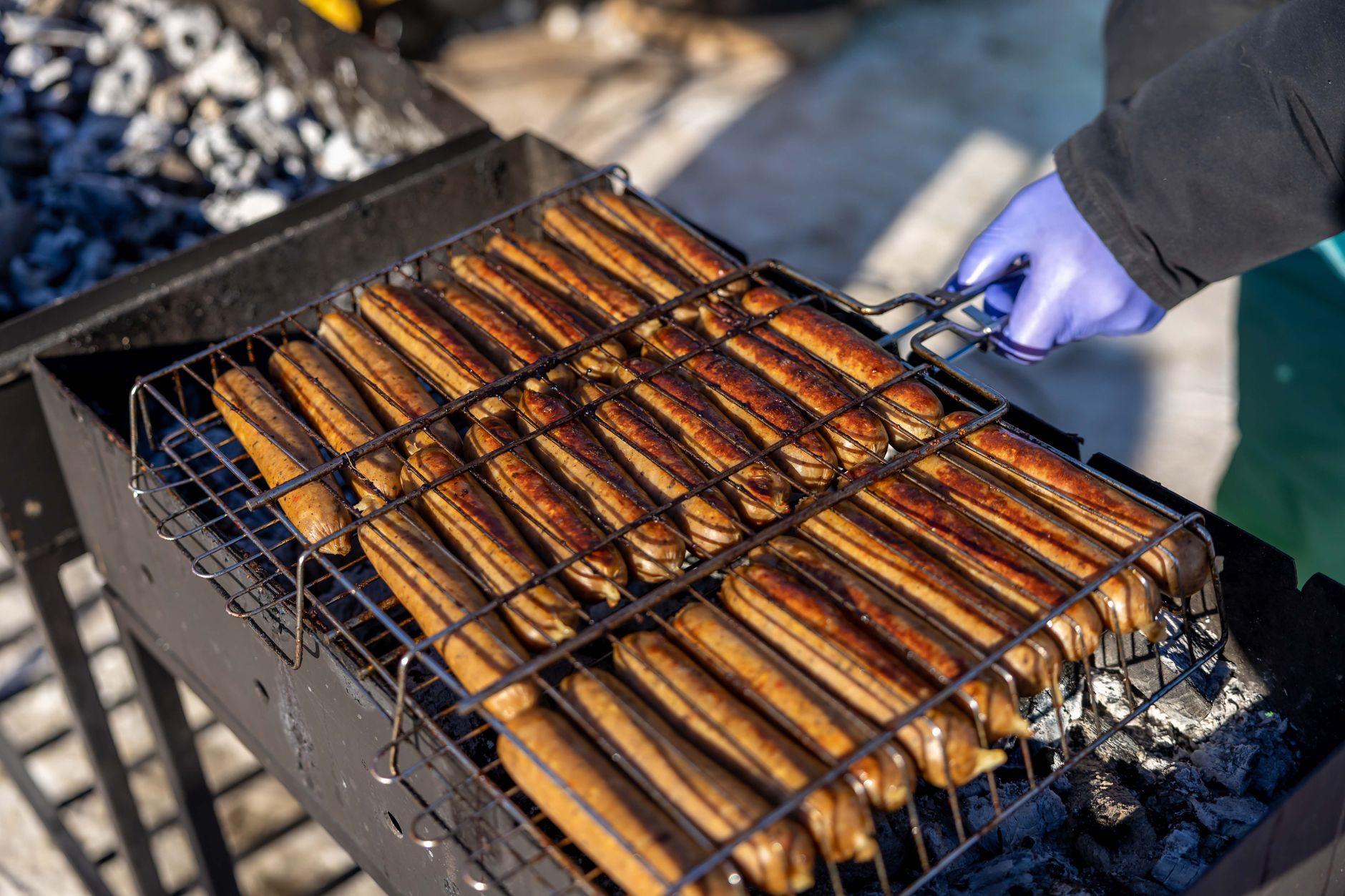
Grilling is one of the most popular ways to cook hot dogs, imparting a delicious smoky flavor. To grill hot dogs:
- Preheat the grill to medium heat (about 350°F or 180°C).
- Place the hot dogs directly on the grill grates.
Cooking time is about 5 to 7 minutes. Turn the hot dogs occasionally to achieve even cooking and nice grill marks. They are ready when they are heated through and have a slightly charred exterior.
1.2 Boiling Hot Dogs
Boiling is a straightforward cooking method that keeps hot dogs juicy and tender. To boil hot dogs:
- Fill a pot with water and bring it to a rolling boil.
- Add the hot dogs to the boiling water.
Cook them for about 5 to 8 minutes. If using frozen hot dogs, extend the cooking time to around 8 to 10 minutes. You’ll know they’re ready when they are plump and heated through.
1.3 Microwaving Hot Dogs
Microwaving is the quickest method for cooking hot dogs, perfect for busy individuals. To microwave:
- Place the hot dogs on a microwave-safe plate.
- Cover them with a paper towel to prevent splattering.
Microwave on high for 30 seconds to 1 minute, depending on your microwave’s wattage. Check that they are hot throughout. For frozen hot dogs, it may take 1 to 2 minutes. Ensure they reach an internal temperature of 165°F (74°C).
1.4 Baking Hot Dogs
Baking hot dogs is another effective way to cook them, yielding a crispy exterior. To bake hot dogs:
- Preheat your oven to 400°F (200°C).
- Place the hot dogs on a baking sheet lined with parchment paper.
Bake for about 10 to 15 minutes, turning halfway through. They are done when they are heated through and starting to brown.
1.5 Air Frying Hot Dogs
Air frying hot dogs can give them a delightful crispiness. To air fry:
- Preheat the air fryer to 390°F (200°C).
- Place hot dogs in the air fryer basket.
Cook for about 5 to 7 minutes, shaking the basket halfway through for even cooking. They are ready when heated through with a crispy exterior.
2. Tips for Cooking Hot Dogs
2.1 Quality Matters
Not all hot dogs are created equal. Look for high-quality options with minimal fillers. Natural casing hot dogs tend to have a better snap when bitten into, enhancing the overall experience.
2.2 Grilling Techniques
To enhance the flavor while grilling, consider lightly scoring the hot dogs. This allows for better char marks and flavor absorption from marinades or seasonings.
2.3 Boiling Enhancements
If you prefer boiling, add a pinch of salt or other spices to the water for extra flavor. You could also try adding sliced onions or beer for a more unique taste.
2.4 Toppings and Condiments
The toppings you choose can elevate a simple hot dog. Classic choices include mustard, ketchup, onions, relish, and sauerkraut. More adventurous options can include chili, cheese, jalapeños, or avocado.
3. Common Mistakes When Cooking Hot Dogs
3.1 Overcooking
Overcooking hot dogs can dry them out, making them less enjoyable. Always aim for a temperature of 165°F (74°C) and check without going over to prevent this.
3.2 Incorrect Storage
Improper storage can lead to spoilage. Store hot dogs in the refrigerator for up to a week after opening and ensure they are kept in their original or airtight packaging.
4. Hot Dog Variations
4.1 Types of Hot Dogs
From beef to pork, turkey to vegan, hot dogs come in numerous varieties, each with unique flavors and textures. When cooking, consider the specific brand and type as they may require different cooking times.
4.2 Regional Styles
Hot dogs vary regionally, such as Chicago-style with bright yellow mustard and pickles, or New York-style topped with sauerkraut and spicy brown mustard. Tailoring toppings to align with these regional flavors can enhance your meal.
5. Cooking Safety Guidelines
5.1 Temperature Checks
Utilizing a meat thermometer is critical to ensure hot dogs are cooked properly. Always check that they reach the safe minimum internal temperature of 165°F (74°C).
5.2 Food Handling
Prevent cross-contamination by using separate utensils for raw hot dogs and other foods. Wash hands thoroughly after handling uncooked meats.
6. Storage and Reheating Hot Dogs
6.1 Refrigeration
Properly stored cooked hot dogs can last in the refrigerator for about 3 to 4 days. Store them in airtight containers or wrap them tightly with foil or plastic wrap.
6.2 Freezing Hot Dogs
Hot dogs can also be frozen for longer shelf life, up to 2 months. To freeze, wrap each one individually and place them in a freezer-safe bag.
6.3 Reheating Guidelines
When reheating, do so gently to retain moisture. Use the microwave or stovetop on low heat, ensuring the internal temperature reaches at least 165°F (74°C) before serving.
7. Conclusion
Cooking hot dogs doesn’t have to be complicated. By understanding the various methods and their corresponding cooking times, you can achieve a deliciously hot dog every time. Whether you choose to grill, boil, microwave, bake, or air fry, the key is monitoring the temperature and cooking time.
Explore our other cooking guides and recipes to enhance your culinary skills. Consider checking out what hot dogs are made out of for more insights and learn how to cook tilapia for a different flavor experience.