
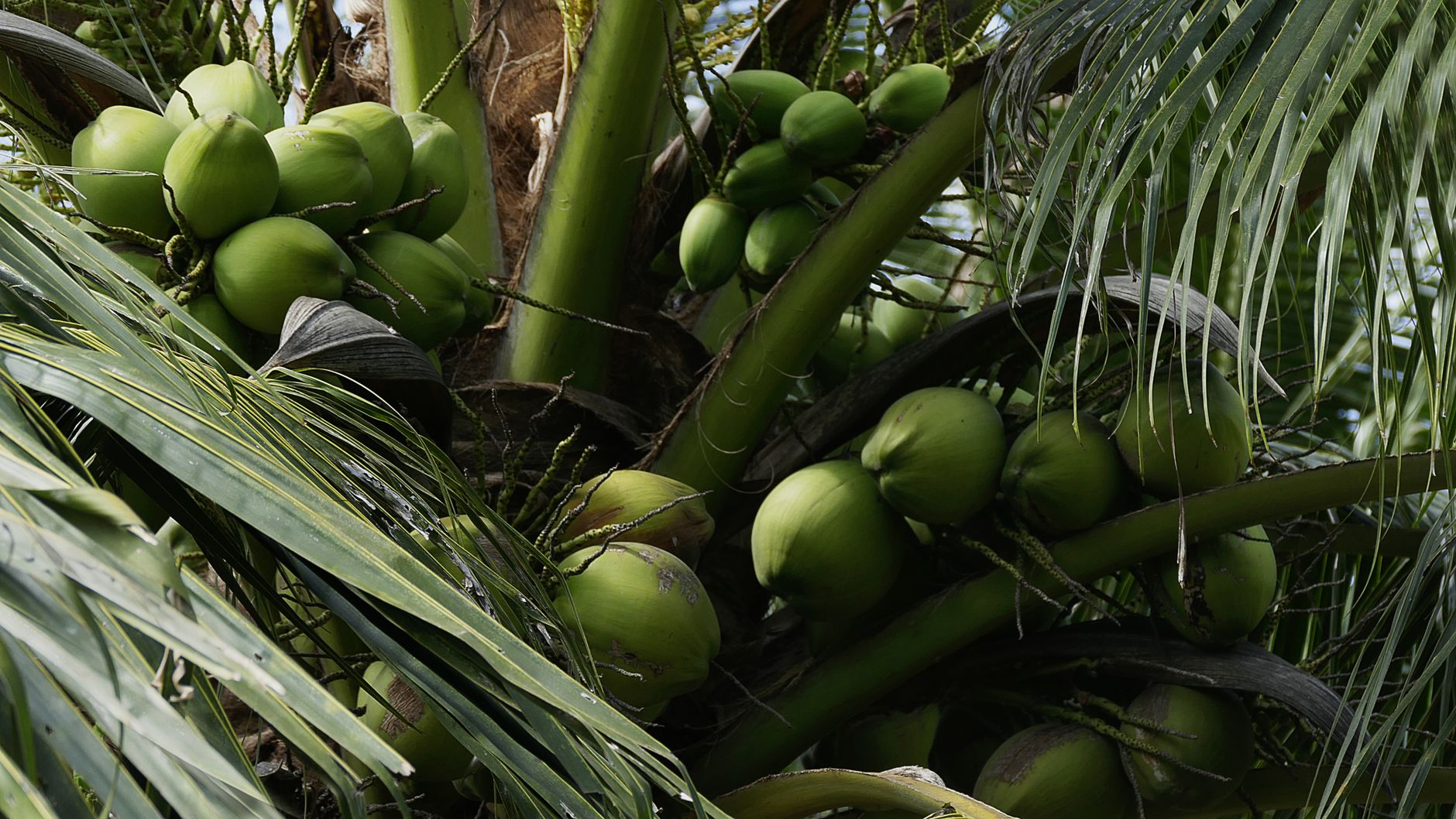
Kaya is a traditional Southeast Asian coconut jam that delights with its rich flavor and smooth texture. Made predominantly from coconut milk, sugar, and eggs, Kaya serves as a versatile spread or topping, often enjoyed with toast or paired with a warm bowl of rice. This beloved delicacy is particularly popular in countries like Malaysia, Singapore, and Indonesia.
Its unique flavor profile offers a combination of sweetness and a hint of saltiness, enriched by the luscious taste of coconut. In this article, we will delve into the ingredients that make up Kaya, explore its flavor nuances, and discuss various ways to serve and enjoy it.
What Is Kaya?
Kaya is essentially a coconut custard or jam derived from three primary ingredients: coconut milk, sugar, and eggs. In some variations, pandan leaves are added to give the jam its signature green color and a distinct, fragrant aroma. The process of making Kaya involves cooking these ingredients slowly to achieve a smooth and thick consistency, making it perfect for spreading.
Key Ingredients in Kaya
Understanding the ingredients of Kaya is essential to appreciate its flavor and texture. Here’s a breakdown of the main components:
- Coconut Milk: This is the star ingredient that imparts a creamy texture and rich coconut flavor. It is made by extracting the liquid from fresh grated coconut flesh.
- Sugar: Typically, granulated sugar is utilized, which contributes sweetness and aids in the thickening process during cooking.
- Eggs: Frequently, eggs are included to create a custard-like texture, enriching the jam and providing stability.
- Pandan Leaves (optional): Known for their sweet and floral flavor, pandan leaves are often used to add depth and a hint of natural green. They are usually blended or infused into the mixture during cooking.
The Flavor Profile of Kaya
Kaya has a complex flavor profile that combines sweetness, saltiness, and a subtle coconut aroma. The balance of flavors makes it an enticing companion to various dishes:
- Sweetness: The sugar content gives Kaya its primary flavor, making it pleasantly sweet but not overwhelmingly so.
- Coconut: The rich, tropical flavor from the coconut milk is essential, contributing to the spread’s overall creaminess.
- Umami: A touch of salt may be added to enhance the taste, creating a slight savory note that balances the sweetness.
- Pandan: If used, pandan adds a unique aroma and light herbal flavor, which can elevate the whole experience.
How to Serve Kaya
Kaya’s versatility allows it to be served in many delicious ways. Here are a few popular serving suggestions:
Kaya Toast
Kaya toast is a breakfast classic in many Southeast Asian countries. It consists of toasted bread generously spread with Kaya and sometimes butter. Often served with a side of soft-boiled eggs and a sprinkle of soy sauce, it makes for a delightful, indulgent breakfast.
Kaya in Desserts
This coconut jam can also be used as a filling or topping for various desserts. For instance, it pairs wonderfully with pancakes, waffles, or even as a layer in cakes and pastries.
Pairing with Rice
In some regions, Kaya can be served alongside plain rice or as part of a larger meal, providing a creamy and sweet contrast to savory dishes.
Kaya as a Dip
Kaya can also double as a dip, particularly for fruits like bananas or toast sticks, making it a delightful snack option for both children and adults.
Making Kaya at Home
Crafting your own Kaya at home allows you to adjust flavors and experiment with ingredients. Below is a simple recipe to get you started.
Yield
This recipe yields about 1 cup of Kaya.
Preparation Time
Preparation time: 10 minutes
Cooking Time
Cooking time: 30-40 minutes
Total Time
Total time: Approximately 50 minutes
Ingredients
- 1 cup coconut milk
- 1 cup granulated sugar
- 3 large eggs
- 2 pandan leaves (optional)
- A pinch of salt
Essential Equipment
- Mixing bowl
- Whisk
- Pot for steaming
- Steamer or heatproof bowl for cooking
- Strainer (if using pandan)
Method
- In a mixing bowl, whisk together the eggs and sugar until light and frothy.
- In a separate saucepan, heat the coconut milk over low heat. If using pandan leaves, knot them and add to the coconut milk until it is warmed through.
- Remove the pandan leaves and slowly combine the warm coconut milk with the egg mixture, whisking continuously to prevent curdling.
- Add a pinch of salt to the mixture for enhanced flavor.
- Pour the mixture into a heatproof bowl or dish that fits into your steamer.
- Prepare your steamer, bringing water to a simmer. Steam the Kaya mixture for about 30-40 minutes, or until it thickens and a knife inserted in the center comes out clean.
- Once done, take the Kaya out of the steamer and allow it to cool before transferring to a jar or container for storage.
Common Mistakes in Making Kaya
When crafting Kaya at home, it’s essential to avoid a few common pitfalls:
- Overheating the Mixture: Cooking the mixture over high heat can cause the eggs to scramble, resulting in a grainy texture.
- Not Whisking Constantly: Failing to whisk the egg and coconut mixture when adding warmth can lead to curdling. Always whisk continuously to maintain a smooth texture.
- Insufficient Steaming Time: Undercooking may leave the Kaya runny. Ensure it has cooked long enough to set properly.
Storage and Reheating
Kaya can be stored in an airtight container in the refrigerator for up to two weeks. To serve it after refrigeration, simply take out the desired amount and let it sit at room temperature for a few minutes or microwave for about 10-15 seconds to soften the spread before use.
Variations and Substitutions
While Kaya traditionally features coconut milk, sugar, and eggs, several variations and substitutions can cater to different dietary preferences or taste profiles:
Vegetarian Kaya
Replace eggs with a cornstarch slurry (1 tablespoon cornstarch mixed with 3 tablespoons water) for a vegetarian option. The texture may differ slightly, but it will still maintain the sweet and creamy essence.
Low-Sugar Kaya
You can substitute granulated sugar with alternatives like agave syrup or coconut sugar. Keep in mind that using liquid sweeteners may affect the thickness.
Flavored Kaya
Aside from pandan, you can experiment with other flavor extracts, such as vanilla or even cocoa for a chocolate Kaya variation. These additions can create unique, sweet tastes that enhance the standard recipe.
Exploring Kaya in Regional Cuisine
Though Kaya is prevalent across Southeast Asia, each region has its twist on the traditional recipe. Here are some notable regional variations:
Malaysian Kaya
Kaya in Malaysia, known as “Kaya Roti,” is often served with butter on toast and is a staple breakfast item, often enjoyed with Kopi (Malaysian coffee).
Singaporean Kaya
The Singaporean version tends to be sweeter and thicker, frequently enjoyed with soft-boiled eggs and a side of dark soy sauce.
Indonesian Kaya
In Indonesia, Kaya may have variations incorporating local ingredients such as palm sugar or even spices like cinnamon and ginger for added warmth.
Conclusion
Kaya is not only a delightful addition to breakfasts and snacks but also embodies the rich culinary heritage of Southeast Asia. Its unique flavor and versatility make it a beloved spread, perfect for a variety of occasions. Whether you choose to enjoy it on toast, with rice, or creatively in desserts, Kaya adds a creamy, sweet touch that’s hard to resist. Try making your own Kaya using the provided recipe to experience the joy of this coconut jam in your own kitchen.
For more insights about ingredients, check out our guides on molasses and substitutes for vanilla extract.