
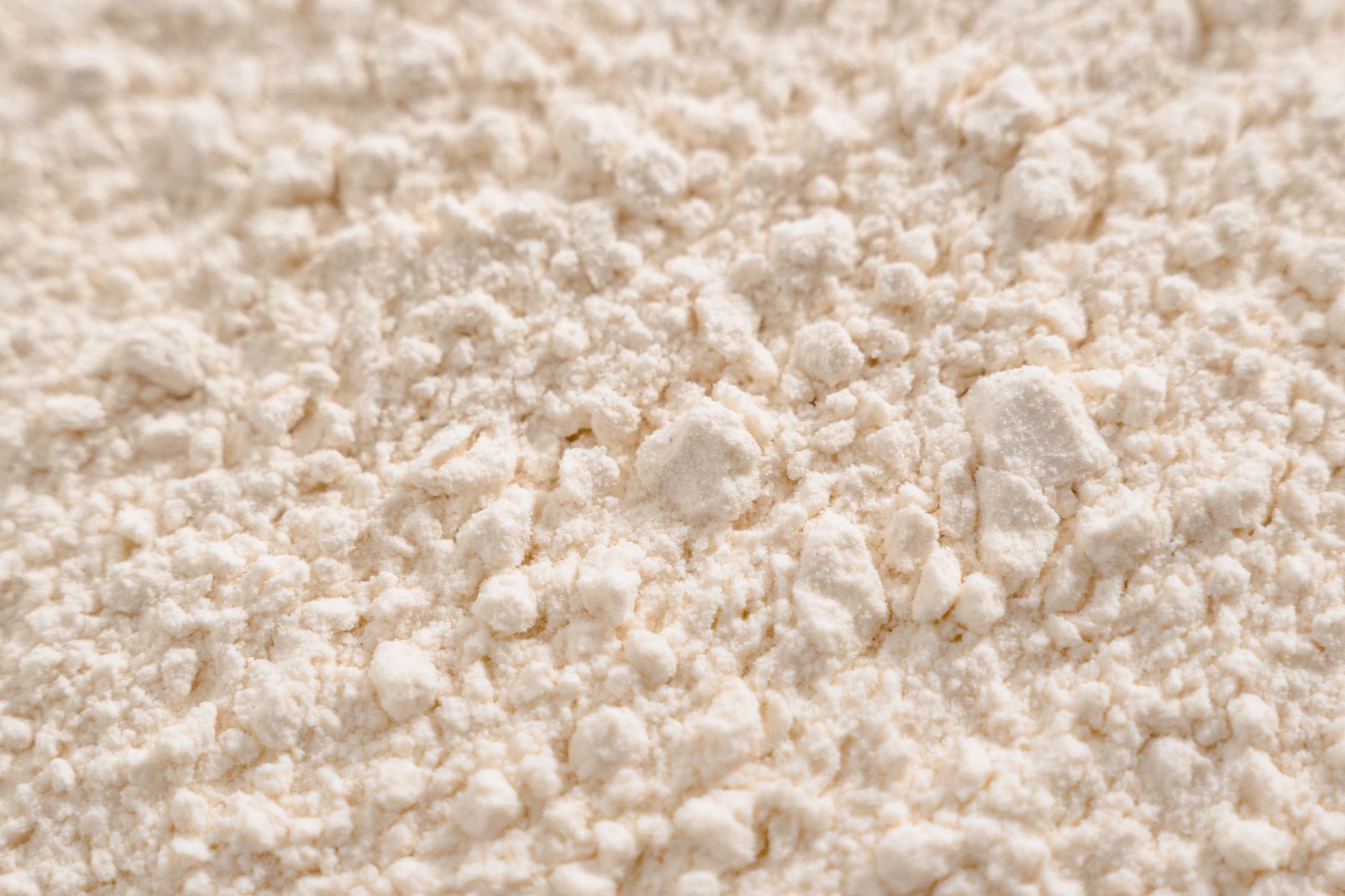
Meat glue, scientifically known as transglutaminase, is an enzyme that binds proteins together. It is primarily used in the meat industry to improve texture, reduce waste, and create visually appealing meat products. Understanding what meat glue is made of and how it works can enhance your culinary knowledge, especially if you’re interested in modern cooking techniques.
This article delves into the ingredients that comprise meat glue, its applications in the kitchen, serving tips, and its potential for both home cooks and professional chefs. Whether you want to enhance your culinary repertoire or simply satisfy your curiosity, you’ll find valuable insights below.
What Is Meat Glue Made Of?
Meat glue is predominantly made from enzymes extracted from various sources, most notably from the blood of animals or fermented plant products. The active ingredient, transglutaminase, catalyzes the formation of bonds between proteins, essentially acting as a glue for meats and other protein sources.
Transglutaminase works by reacting with the amino acids present in proteins, allowing for the creation of more complex structures. This enzyme can be found in two main forms:
- Animal-derived transglutaminase, which is extracted from blood plasma.
- Microbial transglutaminase, typically derived from certain bacteria, which is widely used in food products due to its cost-effectiveness and easier sourcing.
How Does Meat Glue Work?
Meat glue acts by forming covalent bonds between proteins. When sprinkled on meat and reformed, the proteins align and bind together, creating a more cohesive product. This is particularly useful for:
- Joining different cuts of meat to create a more uniform shape.
- Ensuring that ground meat products hold together without falling apart.
- Improving the texture of processed meats, such as sausages and deli meats.
The process involves applying the enzyme to the surface of the meat, followed by a resting period to allow sufficient reaction time. The meat should then be chilled or cooked to enhance the binding effect.
Applications of Meat Glue
Meat glue has several applications in culinary practices, ranging from commercial food manufacturing to innovative cooking techniques in gourmet kitchens.
1. Industrial Food Production
In commercial settings, meat glue is utilized to produce high-quality meat products that meet aesthetic and texture criteria. It helps maintain consistency, reduces wastage, and allows manufacturers to create new forms of protein products, including:
- Steaks and roasts that appear more visually appealing.
- Meat products composed of different cuts fused together.
- Processed products such as fish cakes and meatballs that require binding agents.
2. Molecular Gastronomy
Chefs engaged in molecular gastronomy may use meat glue to create avant-garde dishes. This innovative approach allows cooks to experiment with textures and forms, offering an intricate dining experience. Some examples include:
- Reformed meat dishes that appear whole but consist of multiple components.
- Creative meat presentations, such as “deconstructed” dishes where traditional presentations are reimagined.
Using Meat Glue at Home
If you’re a home cook interested in using meat glue, it’s essential to understand how to apply it correctly. Below are some steps to follow when using transglutaminase.
How to Use Meat Glue
- Preparation: Start with clean, dry meat surfaces. Pat the meat with a paper towel to remove excess moisture.
- Application: Sprinkle a small amount of meat glue (approximately 0.5% of the weight of the meat) over the surface of the meat. Ensure even coverage for optimum binding.
- Combining: Firmly press the pieces together. Use plastic wrap to hold them in place during the binding process.
- Resting: Allow the prepared meat to rest in the refrigerator for several hours or overnight. This gives the transglutaminase time to work its binding magic.
- Cooking: Cook the bound meat as you normally would. The processes of chilling or cooking will enhance the bonding effect.
Tips for Using Meat Glue
- Always remember to follow the recommended quantity for effective binding.
- Maintaining cleanliness during preparation prevents contamination.
- The resting period is crucial; don’t rush this step to get the best results.
Flavor and Texture Considerations
One of the major benefits of using meat glue is its ability to improve the overall quality of the final product without altering the original flavor of the meat. The binding process enhances texture by ensuring a uniform bite and helping retain moisture during cooking.
Common Concerns and FAQs
Is Meat Glue Safe?
Yes, when used properly, meat glue is considered safe for consumption. It is regulated and approved for use by the Food and Drug Administration (FDA) and the European Food Safety Authority (EFSA). It is always important to follow food safety guidelines and ensure that meat is cooked to safe temperatures.
Are There Dietary Concerns?
While transglutaminase is mostly derived from animal and microbial sources, those with specific allergies or dietary preferences should consult labels or manufacturers to ensure it aligns with their needs. It’s essential to be aware of the source, especially for vegetarians or individuals with allergies.
Alternatives to Meat Glue
If you want to bind meat without using meat glue, several alternatives can achieve similar results:
- Egg whites: They can help bind and create a cohesive structure, particularly in ground meat preparations.
- Breadcrumbs: Commonly used in meatballs or patties, breadcrumbs can provide structure and moisture retention.
- Gelatin: Derived from animal collagen, it can serve as a binding agent in some mixtures.
Keep in mind that while these alternatives can provide some binding capabilities, they might alter the flavor, moisture, or texture of the final dish compared to using meat glue.
Storage and Shelf Life of Meat Glue
Meat glue typically comes in powdered form and should be stored in a cool, dry place. Under proper conditions, it can last for several months or even years. Always check the manufacturer’s guidelines for specific storage recommendations.
Conclusion
Understanding what meat glue is made of opens exciting possibilities in cooking, whether at home or in professional settings. It’s a valuable tool that enhances not just the appearance but also the texture and quality of meat dishes. As you experiment with meat glue, remember to follow proper guidelines and safety standards.
For your next culinary adventure, consider incorporating tips to make your meals even more enjoyable. Explore our meatloaf seasoning recipe or try out our meat sauce recipe for flavor-packed enhancements to your favorite dishes.