
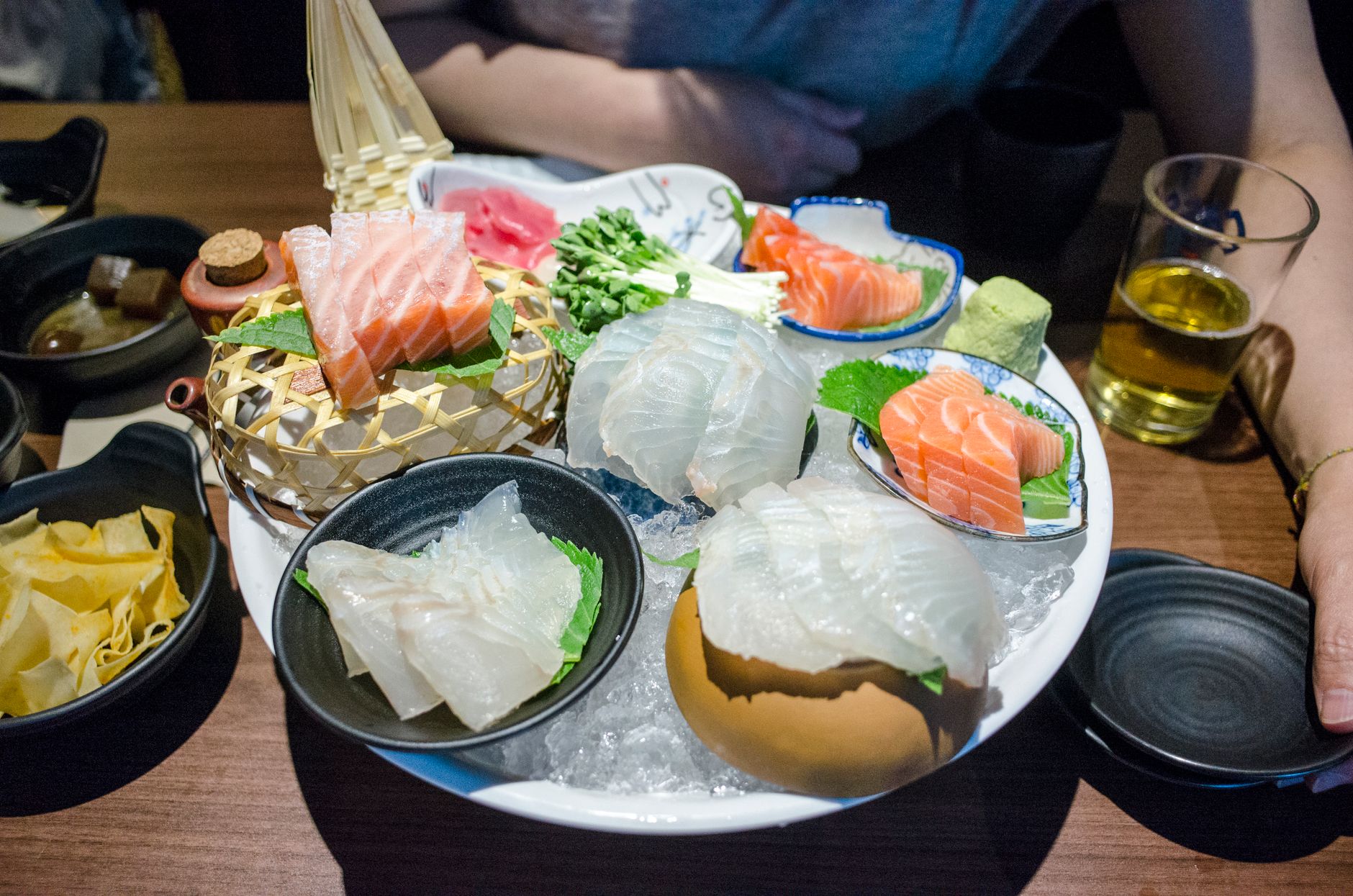
Kampachi, also known as greater amberjack, is a prized fish in the culinary world, celebrated for its rich flavor and buttery texture. A staple in Japanese cuisine, it is frequently featured in sushi and sashimi dishes, appreciated for its versatility and unique qualities.
This guide explores what kampachi is, its flavor profile, preparation techniques, and how to serve it, making it a desirable choice for both home cooks and professional chefs alike.
What Is Kampachi?
Kampachi is a species of fish scientifically known as Seriola dumerili. It belongs to the Carangidae family and is commonly found in warm seas around the world. With its firm, white flesh and a mild, slightly sweet flavor, kampachi is particularly favored in sashimi and sushi preparations.
This fish is typically farmed in sustainable aquaculture systems, making it an environmentally responsible choice for seafood lovers. Its unique flavor and texture make it a favorite for various cooking methods.
Flavor Profile of Kampachi
The flavor of kampachi is often described as mild yet noticeable, with a delicate sweetness that distinguishes it from other types of fish. The flesh has a rich, buttery texture that melts in your mouth, making it a delightful addition to many dishes. The fish has a higher fat content compared to others like tuna, providing a satisfying richness when served raw or cooked.
When enjoyed raw, kampachi’s flavor enhances when paired with simple accompaniments such as soy sauce, wasabi, and fresh citrus. It can also be grilled, seared, or cooked in stews, where it retains its moisture and flavor even under high heat.
How to Choose and Buy Kampachi
When purchasing kampachi, look for fish that appears bright and shiny, without any bruising or discoloration. Fresh kampachi should have a clean, ocean-like smell without any fishy odor. Here are some tips for selecting the best kampachi:
- Color: The skin should be a vibrant blue, transitioning to silver on the underside.
- Freshness: Fresh fish should feel firm to the touch and not have any signs of slime.
- Source: Choose sustainably farmed kampachi when possible to support environmentally friendly practices.
Many fish markets and seafood suppliers now offer kampachi, so don’t hesitate to ask your fishmonger for recommendations on sustainable sources.
Preparing Kampachi
Preparing kampachi can be done in several ways, whether you’re making sashimi, grilling it, or searing it. Below are some preparation techniques to consider:
Cleaning Kampachi
Before using kampachi, it’s essential to clean it properly.
- Rinse the fish under cold running water to remove any surface contaminants.
- Using a sharp knife, make a clean cut from the head to the belly and carefully gut the fish.
- Remove the innards and rinse once more to ensure the cavity is clean.
- Fillet the fish using a sharp filleting knife, taking care to follow the backbone and remove the skin if desired.
Raw Preparations
Raw preparations such as sushi and sashimi are among the most popular ways to enjoy kampachi.
Sashimi
For sashimi, slice the fillet into thin, elegant pieces, typically about ¼ inch thick. Here’s how:
- Chill the fillet in the refrigerator for 30 minutes to firm it up, making it easier to slice.
- Using a sharp knife, slice the fish against the grain to maintain tenderness.
- Plate the sashimi pieces with garnishes such as daikon radish or shiso leaves, and serve with soy sauce and wasabi.
Sushi
For sushi, you’ll need to combine the sliced kampachi with vinegared rice:
- Prepare sushi rice by rinsing and cooking it according to package instructions, then seasoning it with rice vinegar, sugar, and salt.
- Once the rice has cooled, form small balls of rice and top each with a slice of sashimi-grade kampachi.
- Optionally, you can add a drop of wasabi between the rice and the fish for additional flavor.
Cooked Preparations
Kampachi can also be grilled, baked, or seared—methods that highlight its buttery texture.
Grilling Kampachi
Grilling is a fantastic way to enhance the natural flavor of kampachi:
- Preheat your grill to medium-high heat and lightly oil the grates.
- Season the kampachi fillets with salt, pepper, and a drizzle of olive oil.
- Grill the fillets for about 4-5 minutes on each side, until the fish is opaque and flakes easily with a fork.
Searing Kampachi
Searing kampachi can give it a crispy exterior while keeping the inside moist:
- In a heavy skillet, heat oil over medium-high heat until shimmering.
- Season the kampachi fillet with salt and pepper, then place it in the skillet skin-side down.
- Sear for about 4 minutes until golden brown, then flip and sear for an additional 2-3 minutes.
How to Serve Kampachi
When it comes to serving kampachi, think about complementary flavors and textures. Here are some ideas:
Sashimi Platter
A sashimi platter is an elegant way to present kampachi. Include:
- Slices of kampachi and other fish like tuna or salmon.
- Garnishes such as shredded daikon radish, shiso leaves, and edible flowers.
- Accompaniments like soy sauce, ponzu, and pickled ginger for dipping.
Grilled Fillet with Seasonal Vegetables
For a simple but flavorful meal, serve grilled kampachi with seasonal vegetables. Consider:
- Roasted asparagus, zucchini, or bell peppers.
- A squeeze of lemon to enhance the fish’s natural flavor.
- A side of rice or quinoa for a complete dish.
Sushi Rolls
Create sushi rolls using kampachi for a fun and interactive dining experience:
- Use sushi rice, nori sheets, and various fillings such as avocado, cucumber, or cream cheese.
- Serve with soy sauce and a sprinkle of sesame seeds on top.
Kampachi Ceviche
Make a refreshing ceviche by marinating diced kampachi in citrus juice (like lime or lemon) and mixing it with:
- Diced red onion, cilantro, and jalapeño for spice.
- Serve with tortilla chips or on a bed of greens.
Substituting Kampachi
If you cannot find kampachi or want to experiment with other options, consider these fish alternatives:
- Yellowtail (Hamachi): A close relative with a similar flavor profile and texture.
- Halibut: Offers a mild taste and firm texture, great for grilling or baking.
- Tuna: Rich, darker meat, available as sushi or cooked; another popular option for sashimi.
Common Mistakes When Preparing Kampachi
To fully enjoy the wonderful flavors and textures of kampachi, avoid these common mistakes:
- Overcooking: This can lead to dry fish. Keep a close eye on cooking times, especially when grilling or searing.
- Incorrect Pairings: Strong sauces can overshadow the delicate flavor. Opt for light dressings and garnishes.
- Improper Storage: Always keep fresh fish on ice or in the coldest part of your refrigerator, consumed within 1-2 days for the best quality.
Storage and Reheating Tips
Proper storage of kampachi is essential for maintaining quality and freshness:
- Store fresh kampachi in the refrigerator, wrapped tightly in plastic wrap or in an airtight container, for up to two days.
- If you have cooked kampachi, ensure it cools down to room temperature before refrigerating. It should be consumed within three days.
- Reheat cooked kampachi gently in the oven at low heat or in a skillet with a bit of oil to maintain moisture.
Conclusion
Kampachi is a versatile and delicious fish that can elevate your meals, whether enjoyed raw as sashimi, grilled, or incorporated into various dishes. With its mild flavor and rich texture, it offers a wonderful opportunity to explore seafood in both traditional and creative ways. Start experimenting with kampachi today, and you’ll discover why it’s a favorite among food enthusiasts.
Explore related recipes, cooking tips, or food guides such as this seared ahi tuna recipe or this ahi tuna recipe for more ways to enjoy fresh fish in your cooking.