
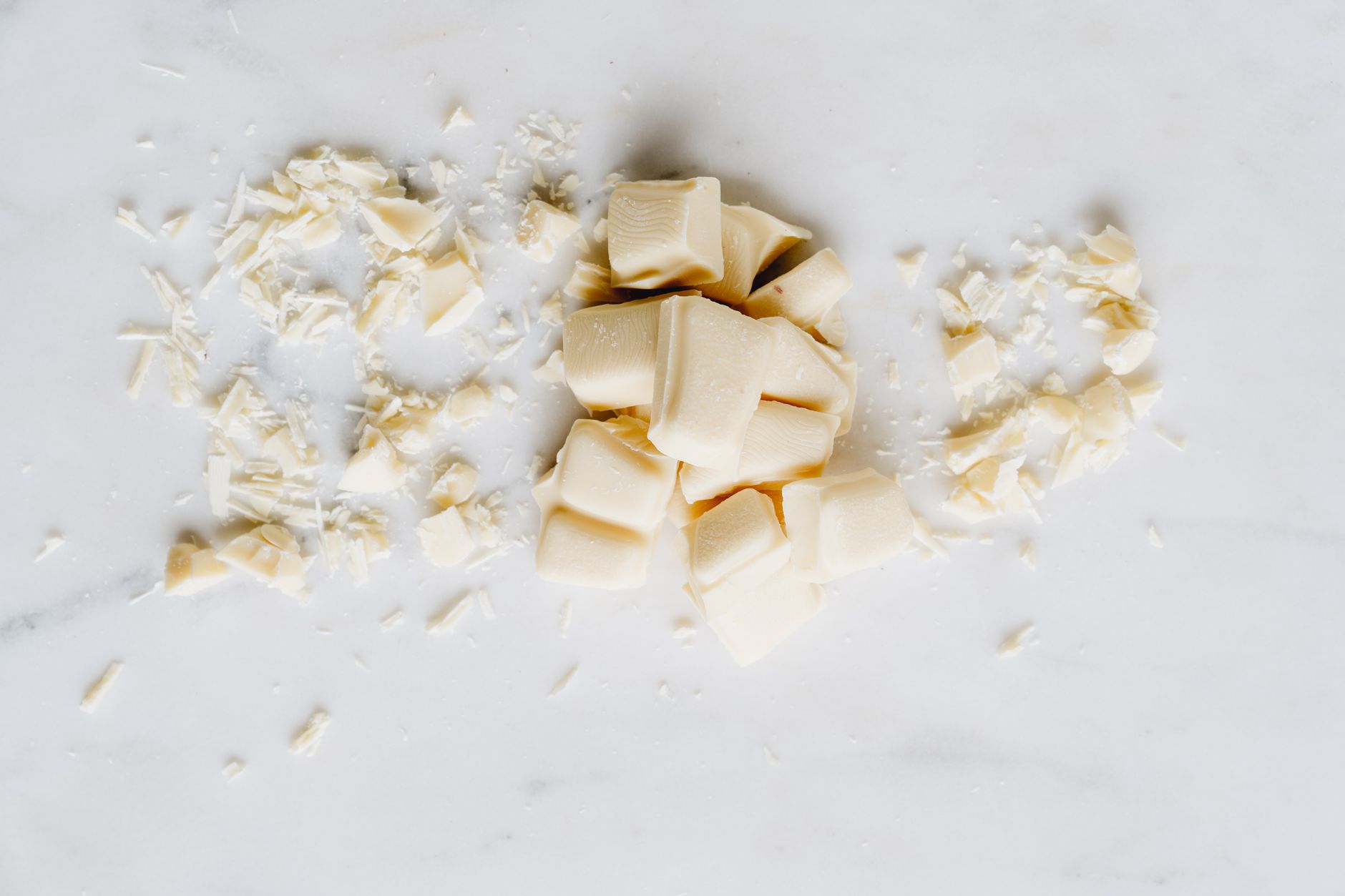
White chocolate is often a beloved choice for desserts and confections thanks to its sweet, creamy flavor. However, many people wonder what exactly is in white chocolate and how it differs from traditional chocolate. This article will explore its ingredients, taste, texture, kitchen uses, and much more.
Unlike dark or milk chocolate, which contain cocoa solids, white chocolate is made from cocoa butter, sugar, and milk solids. Despite its sweetness, some purists argue that it shouldn’t be labeled as chocolate at all. Let’s take a closer look at what comprises this popular treat.
What Is in White Chocolate?
White chocolate primarily consists of three main ingredients: cocoa butter, sugar, and milk solids. Some formulations may include additional flavorings or emulsifiers, but these are the core components. The absence of cocoa solids is crucial, distinguishing white chocolate from other chocolate varieties.
Cocoa Butter
Cocoa butter is the fat extracted from cocoa beans and is what gives white chocolate its smooth, creamy texture. Unlike cocoa solids, which contribute chocolate’s characteristic flavor and color, cocoa butter is tasteless and odorless. It provides a rich mouthfeel and is vital for the texture and rigidity of white chocolate.
Sugar
Sugar is the second significant ingredient, contributing to the sweet taste that many appreciate in white chocolate. The amount of sugar can vary between brands and formulations, influencing both taste and texture. Typically, granulated sugar, powdered sugar, or even alternative sweeteners may be used, depending on the product.
Milk Solids
Milk solids, which can be in the form of milk powder or condensed milk, add creaminess and a slight dairy flavor to white chocolate. They also play a critical role in the overall texture, making it smoother and more palatable. The proportion of milk solids can impact the flavor and mouthfeel considerably.
Additional Ingredients
Depending on the manufacturer, white chocolate may also contain flavorings such as vanilla, emulsifiers like lecithin to improve texture, or stabilizers to preserve shelf life. When buying white chocolate, it’s wise to read the ingredient label, especially if you have dietary restrictions.
Taste and Texture of White Chocolate
White chocolate is known for its uniquely sweet and creamy flavor profile. It lacks the bitterness commonly found in dark chocolate, making it a preferred choice for those who enjoy a sweeter taste.
Flavor Profile
The flavor of white chocolate is mild compared to dark or milk chocolate. It’s sweet and can have subtle vanilla notes, particularly if vanilla is included in the formulation. Some individuals may describe the taste as rich and buttery, while others might note a slight absence of chocolate flavor due to the lack of cocoa solids.
Texture
In terms of texture, white chocolate is smooth and creamy. The cocoa butter provides a luscious mouthfeel, which can be quite indulgent. High-quality white chocolate should snap when broken but melt easily in the mouth without any graininess. In contrast, low-quality options may feel waxy or overly sweet, lacking a refined texture.
Cooking and Baking Uses for White Chocolate
White chocolate is versatile and can be used in various culinary applications, including baking, cooking, and candy making. Its sweet and creamy characteristics lend themselves well to an array of desserts and confections.
Baking Applications
White chocolate can be incorporated into numerous baked goods. Here are some of its common uses:
- Cookies: White chocolate chips are a popular addition to cookie recipes, particularly macadamia nut cookies or chocolate cookies for a contrast in flavor.
- Cakes: This ingredient can be melted and added to cake batters for added moisture and sweetness or used in buttercream frosting for cakes.
- Brownies: Swirling melted white chocolate into brownie batter can add a delightful twist to a traditional dessert.
Desserts and Confectionery
White chocolate shines in the world of desserts and candies:
- Mousse: White chocolate mousse is a decadent dessert that offers a light yet creamy texture.
- Pudding: You can create a rich pudding by melting white chocolate and mixing it with cream and egg yolks.
- Candy Bars: Homemade candy bars featuring white chocolate, nuts, and dried fruits make for unique treats.
Drizzling and Topping
One of the simplest yet most effective ways to use white chocolate is as a drizzle or topping:
- Drizzled on Desserts: Melted white chocolate can be drizzled over cakes, cookies, or pastries for an elegant appearance.
- Garnishing: Use white chocolate shavings to garnish desserts like panna cotta or ice cream for added flair.
Competent Chocolate Pairings
When cooking or baking with white chocolate, consider its flavor profile to create balanced dishes. It pairs well with various ingredients:
- Fruits: Berries, bananas, and citrus fruits complement the sweetness of white chocolate.
- Nuts: Nuts, particularly macadamias and almonds, enhance the texture while providing a savory contrast.
- Spices: A touch of sea salt or spices like cinnamon can elevate white chocolate desserts.
Making Your Own White Chocolate
For those interested in a DIY approach, homemade white chocolate is surprisingly easy to prepare. Here’s a simple method to make your own:
Ingredients for Homemade White Chocolate
- 1 cup cocoa butter
- 1 cup powdered sugar
- 1/2 cup milk powder
- 1 tsp vanilla extract (optional)
Equipment Needed
- Double boiler or microwave-safe bowl
- Spatula
- Chocolate mold or parchment paper
Steps to Make White Chocolate
- In a double boiler, melt the cocoa butter over low heat. If using a microwave, heat in short intervals until fully melted.
- Once the cocoa butter has melted, remove it from heat and stir in the powdered sugar, milk powder, and vanilla extract (if using).
- Mix thoroughly until the ingredients are well combined and smooth.
- Pour the mixture into chocolate molds or onto parchment paper to create a flat sheet.
- Let it cool to room temperature, then refrigerate until fully set.
- Once hardened, remove the white chocolate from the molds and enjoy!
Practical Tips for Using White Chocolate
Here are some practical tips to ensure you get the best results when working with white chocolate:
- Melt Slowly: White chocolate is sensitive to heat. Melt it slowly over low heat to avoid burning.
- Quality Matters: Opt for high-quality white chocolate that contains real cocoa butter for better flavor and texture.
- Storage: Store white chocolate in a cool, dry place away from sunlight. Keep it sealed to prevent it from absorbing odors.
Common Mistakes and Troubleshooting
Here are some frequent pitfalls and how to troubleshoot them:
- White Chocolate Seizing: If white chocolate clumps together while melting, it may have come into contact with moisture. Discard it and start over.
- Waxy Texture: Poor-quality white chocolate may have a waxy texture. Always choose chocolate that lists cocoa butter as a primary ingredient.
- Excessive Sweetness: If your dessert is too sweet, consider balancing it with tart flavors like lemon or berries.
Substitutions for White Chocolate
If you find yourself out of white chocolate, or if you’re looking for an alternative, here are some viable substitutions:
- Carob Chips: Carob has a similarly sweet flavor but is caffeine-free and can be used as a direct substitute.
- Vanilla-Flavored Chocolate: Some brands produce vanilla-flavored chocolate that can mimic the sweet creaminess of white chocolate.
- Yogurt-Covered Products: Yogurt-covered snacks can offer a sweet, creamy flavor, although the texture will differ slightly.
Understanding Dietary Considerations
When selecting or using white chocolate, it’s essential to be mindful of dietary preferences and restrictions. Here are a few common considerations:
- Dairy-Free Options: While most white chocolate contains milk solids, there are dairy-free versions available made with alternative milk powders.
- Sugar-Free Options: Sugar-free white chocolate exists but often contains sugar substitutes, which can alter flavor and texture.
- Vegan Considerations: Most traditional white chocolates contain dairy. Ensure to opt for vegan-certified options for plant-based diets.
Where to Buy White Chocolate
White chocolate can typically be found in grocery stores, specialty baking shops, or online. When purchasing, look for products with a high cocoa butter content, as this usually indicates better quality.
Brands to Consider
While many brands offer white chocolate, some trusted names in the chocolate industry include:
- Ghirardelli
- Guittard
- Callebaut
- Willy Wonka
Conclusion
White chocolate may seem simple, but it plays an essential role in many delightful desserts and recipes. By understanding its composition, taste, and culinary uses, you can confidently incorporate this sweet treat into your baking and cooking. Whether you choose to buy it or make your own at home, white chocolate can enhance your culinary creations significantly. Consider experimenting with different recipes that highlight its unique characteristics, and your desserts will stand out.
Explore more culinary guides; check out what is molasses made from or learn about substitutes for vanilla extract.