
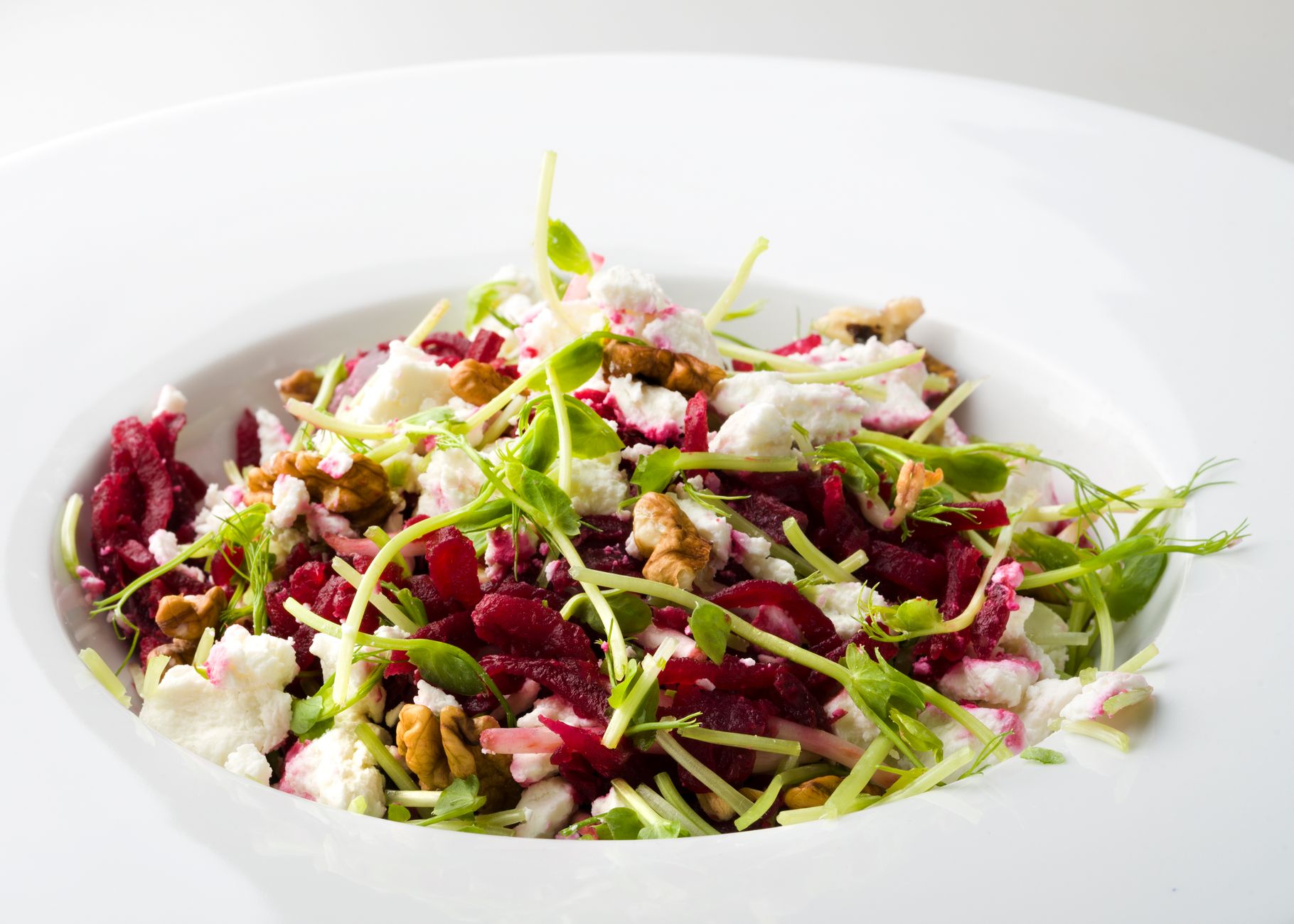
Beets have been gaining popularity in recent years for their unique flavor, vibrant color, and impressive nutritional profile. Particularly rich in potassium, they offer numerous health benefits, making them a valuable addition to your diet. This article explores how much potassium is in beets, their health benefits, and various ways to incorporate them into your meals.
This comprehensive guide will help you understand the potassium content in beets, why this mineral is essential, and how you can enjoy beets in various forms, from salads to smoothies. If you’re looking to boost your potassium intake, this is the perfect place to start.
How Much Potassium in Beets?
Beets contain approximately 305 mg of potassium per 100 grams (about 3.5 ounces). This value may vary slightly depending on the cooking method and the specific variety of beets. Including beets in your diet can substantially help you meet your daily potassium needs, which for adults is generally recommended to be around 2,500 to 3,000 mg per day.
Understanding Potassium’s Role in Health
Potassium is an essential mineral that plays several key roles in maintaining overall health. It is crucial for maintaining proper fluid balance, muscle contractions, and nerve signals.
Here are some of the main benefits of potassium:
- Regulates Blood Pressure: Adequate potassium intake helps regulate blood pressure levels, reducing the risk of hypertension.
- Supports Muscular Function: Potassium is vital for muscle contractions, including heart muscles, ensuring they function effectively.
- Maintains Healthy Nerve Function: This mineral helps in transmitting nerve signals, which are necessary for overall functioning.
- Balances Fluids: Potassium helps balance fluids in the body, maintaining hydration and supporting kidney function.
Beets: Nutritional Profile
To appreciate the benefits of beets fully, it’s essential to look at their overall nutritional profile. Besides potassium, beets are rich in various vitamins, minerals, and antioxidants.
| Nutrient | Amount per 100g |
|---|---|
| Potassium | 305 mg |
| Vitamin C | 4 mg |
| Folate | 109 mcg |
| Fiber | 2.8 g |
| Carbohydrates | 9.6 g |
| Protein | 1.6 g |
| Fat | 0.2 g |
How to Prepare Beets
Preparing beets can be simple, and there are various methods to enhance their flavor and nutritional value. Here are some common methods for cooking beets:
Roasting Beets
Roasting is one of the best ways to bring out the natural sweetness of beets. The caramelization that occurs enhances their flavor and can be a delicious addition to any meal.
- Preheat your oven to 400°F (200°C).
- Wash and scrub the beets thoroughly to remove any dirt.
- Wrap each beet in aluminum foil and place them on a baking sheet.
- Roast for about 45-60 minutes, or until a fork easily pierces the largest beet.
- Let cool, then peel the skins (they should come off easily) and slice or dice as desired.
Boiling Beets
Boiling is a quick method for preparing beets, although it can lead to some nutrient loss in the cooking water.
- Wash the beets thoroughly and trim the tops, leaving about an inch of stem.
- Place them in a pot of water and bring to a boil.
- Reduce heat and simmer for 30-45 minutes, or until tender.
- Cool and peel the skins as mentioned earlier.
Steaming Beets
Steaming is a nutritious method as it helps retain more vitamins and minerals compared to boiling.
- Wash and trim the beets as described in the boiling method.
- Place the beets in a steamer basket over boiling water.
- Steam for 30-40 minutes, checking for tenderness.
- Allow to cool, then peel and prepare as desired.
Raw Beets
Raw beets can be enjoyed in salads or as snacks. They bring a refreshing crunch and a splash of color to dishes.
- Wash and scrub the beets thoroughly.
- Peel if desired (the skin is edible, but peeling can reduce some earthiness).
- Grate or julienne and toss them into salads or enjoy with hummus as a snack.
Incorporating Beets into Your Diet
There are countless ways to include beets in your meals, catering to various taste preferences. Here are some delicious ideas:
Beet Salads
Mix roasted or boiled beets with leafy greens, goat cheese, nuts, and a vinaigrette dressing for a refreshing salad.
Beet Smoothies
Add raw or cooked beet to your favorite smoothie along with fruits like bananas, berries, and yogurt to create a nutrient-dense beverage.
Beet Hummus
Blend cooked beets with chickpeas, tahini, garlic, and lemon juice for a colorful and flavorful dip.
Beet Chips
Thinly slice beets, toss them with olive oil, and bake until crispy for a healthy snack alternative.
Beet Juice
Juicing beets can provide a concentrated source of nutrients while making a tasty drink. Combine with other fruits and vegetables for added flavors.
Nutritional Benefits of Consuming Beets
In addition to being a good source of potassium, beets provide various other health benefits:
- Rich in Antioxidants: Beets contain betalains, which have antioxidant and anti-inflammatory properties.
- Supports Liver Health: The compounds in beets promote liver detoxification and improve liver function.
- Improves Athletic Performance: Beets can enhance endurance and improve blood flow, making them a favorite among athletes.
- Promotes Digestive Health: Their fiber content helps support a healthy digestive system and regular bowel movements.
Practical Tips for Selecting and Storing Beets
Selecting the right beets can enhance your cooking experience. Here are some tips:
Choosing Fresh Beets
- Look for beets that are firm, smooth, and free from blemishes or soft spots.
- The greens should look fresh and vibrant, indicating freshness.
- Smaller beets tend to be sweeter and more tender compared to larger ones.
Storage Tips
Proper storage will help maintain the freshness and flavor of your beets:
- Remove the greens from the beets before storing, as they can draw moisture from the root.
- Store beets in a cool, dark, and dry place, preferably in a perforated plastic bag in the refrigerator; they can last for a couple of weeks.
- Cooked beets can be stored in the refrigerator for up to five days in an airtight container.
Common Mistakes to Avoid When Cooking Beets
Here are some pitfalls to watch out for when preparing beets:
- Overcooking: Beets can become mushy if overcooked, so it’s best to check them regularly.
- Neglecting the Skin: The skin of beets can be nutritious; try roasting them unpeeled and peeling afterward.
- Ignoring Color Stains: Be cautious when handling beets, as their juices can stain clothing and cutting boards.
Final Thoughts
Beets are a versatile and nutritious addition to your diet, packed with potassium and other essential nutrients. Whether roasted, boiled, or enjoyed raw, beets can elevate your meals with unique flavors and textures.
Consider incorporating beets into your daily meals for their myriad health benefits. Explore various cooking methods and recipes to discover your favorite ways to enjoy this vibrant root vegetable.
If you’re curious about more beet recipes, check out our Harvard Beets recipe or learn about chard for more nutritious greens you can incorporate into your meals.