
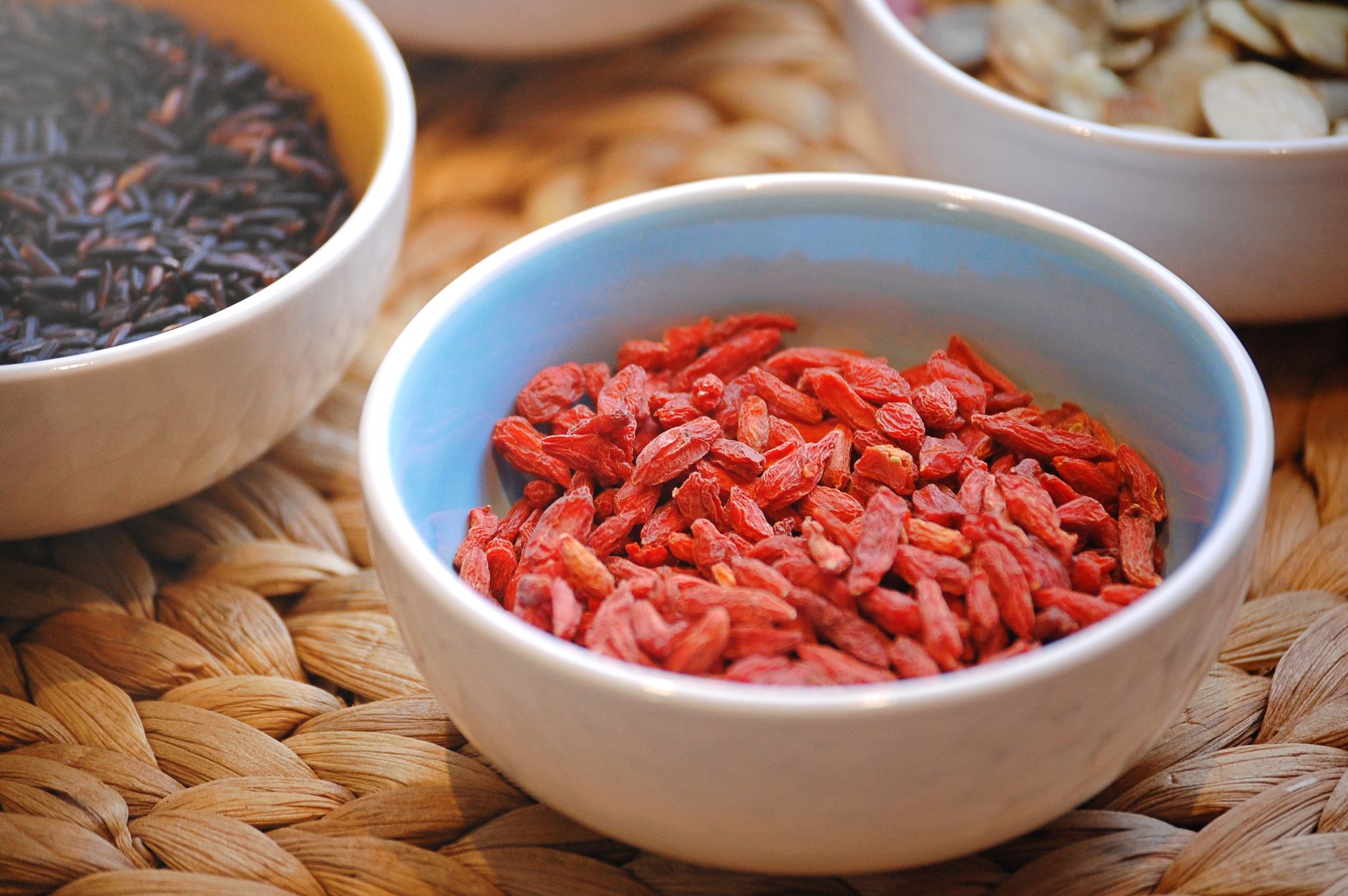
Goji berries, often heralded as a superfood, have gained immense popularity in recent years for their potential health benefits and unique flavor profile. Known scientifically as Lycium barbarum, these small red fruits are native to Asia and have been used in traditional medicine for centuries. This article will explore what goji berries are, their ingredients, taste, and various culinary uses, providing a comprehensive guide for anyone looking to incorporate them into their diet.
Whether you’re interested in adding a nutritional boost to smoothies, baked goods, or savory dishes, understanding goji berries will help you make the most of this versatile ingredient. Read on to uncover the nutritional benefits, culinary applications, and tips for enjoying goji berries in your kitchen.
What Is a Goji Berry?
A goji berry is a small, bright red fruit that comes from the goji berry plant, which is a member of the nightshade family. The berries are typically dried and sold in health food stores, contributing to their classification as a superfood. They have a chewy texture, resembling a raisin, and a mildly sweet flavor with hints of tartness. Goji berries are celebrated not only for their pleasant taste but also for their high nutrient content.
Nutritional Profile of Goji Berries
Goji berries are packed with essential nutrients and thus are often viewed as a health food. Here’s a brief overview of their nutritional components:
- Vitamins: Rich in vitamins A and C, which play a role in skin health and immune function.
- Minerals: Contains essential minerals like iron, calcium, zinc, and selenium.
- Antioxidants: Loaded with antioxidants, particularly zeaxanthin, which may help protect cells from damage.
- Protein: Provides a source of protein, essential for body repair and muscle health.
- Fiber: High fiber content supports digestive health.
- Low-Calorie: A low-calorie fruit that can fit into various diet plans.
This diverse set of nutrients contributes to their reputation as a superfood. However, it’s important to consume them in moderation, especially since dried varieties can be high in sugar.
Taste and Texture of Goji Berries
When it comes to flavor, goji berries have a unique profile. Their taste is often described as mildly sweet with slight hints of earthiness and tartness, making them versatile in various dishes. The texture is chewy and somewhat similar to that of raisins, though they can be softer or slightly firmer depending on how they were processed.
Because of their sweet and tart flavor, goji berries can complement both sweet and savory dishes, which enhances their culinary versatility.
Culinary Uses of Goji Berries
Goji berries can be used in many culinary applications, adding not just flavor but also nutrition to meals. Here are some practical ways to incorporate them into your cooking:
1. Snacking
One of the simplest ways to enjoy goji berries is to eat them dry as a snack. They can be consumed on their own or mixed with other dried fruits, nuts, and seeds to create a healthy trail mix.
2. Breakfast Foods
Add goji berries to your breakfast routine for a nutritious boost. Here are some suggestions:
- Overnight Oats: Incorporate a handful of goji berries into overnight oats for added flavor and nutrients.
- Smoothies: Blend goji berries with yogurt, fruits, and vegetables for a colorful and energizing smoothie.
- Granola and Cereals: Sprinkle dried goji berries on your granola or breakfast cereals for a sweet crunch.
3. Baking
Goji berries can be a delicious addition to baked goods. Consider the following:
- Muffins: Incorporate them into muffin batter for a fruity addition.
- Cookies: Mix goji berries into cookie dough for a unique twist on classic recipes.
- Breads: Add them to banana bread or other sweet bread recipes.
4. Salads
Add a pop of color and sweetness to salads with goji berries. They pair well with mixed greens, nuts, and vinaigrette dressings. Try them in:
- Green Salads: Toss dried goji berries with mixed greens, feta cheese, and a lemon vinaigrette.
- Grain Salads: Mix them into quinoa or farro salads alongside roasted vegetables.
5. Cooking and Sauces
In savory dishes, goji berries can be used to impart a subtle sweetness:
- Stir-Fries: Add them to vegetable or meat stir-fries for a sweet and chewy element.
- Sauces and Curries: Include goji berries in sauces or curries to enhance flavor depth.
6. Beverages
Goji berries can also be used in drinks:
- Tea: Soak dried goji berries in hot water to make a nutrient-rich tea, either alone or with other herbs.
- Juices and Smoothies: Incorporate them into juices or smoothies for an antioxidant boost.
How to Select and Store Goji Berries
When selecting goji berries, consider the following tips:
- Quality: Look for plump, vibrant berries that appear moist but not overly wet.
- Source: Prefer organic varieties when possible to avoid pesticides.
- Packaging: Choose products packaged in resealable bags to maintain freshness.
Storage Tips
To maximize freshness, store dried goji berries in an airtight container in a cool, dark place.
- Refrigeration: While not necessary, refrigeration can prolong shelf life.
- Freezing: Goji berries can also be frozen for longer-term storage, though this may change their texture slightly.
Common Misconceptions
Despite their rising popularity, various misconceptions about goji berries persist:
- Miracle Food: Some claim that goji berries are a miracle food that guarantees health benefits. While they are nutritious, they should be consumed as part of a balanced diet, not as a sole solution.
- Only for Health Enthusiasts: Goji berries can be enjoyed by anyone looking to enhance their meals, regardless of dietary preferences.
Potential Health Benefits
Goji berries are often touted for potential health benefits, though scientific research in some areas is still ongoing. Notable areas of interest include:
- Improved Eye Health: Due to their high levels of antioxidants, particularly zeaxanthin, goji berries may support eye health.
- Immune Support: Vitamins A and C can help bolster the immune system.
- Blood Sugar Regulation: Some studies suggest that goji berries may improve blood sugar levels, but more research is needed.
- Anti-Aging Properties: High in antioxidants, goji berries are believed to combat oxidative stress.
While these potential benefits make goji berries an appealing choice, it is crucial to remember that they should complement a diverse diet rather than serve as a substitute for medical treatment or healthy lifestyle choices.
Substitutions and Variations
If you’re looking to experiment with flavors or do not have goji berries on hand, here are some useful substitutions:
- Cranberries: Dried cranberries can provide a similar tartness and sweetness.
- Raisins: While sweeter, raisins can be used in recipes requiring goji berries.
- Cherries: Dried cherries offer a deeper fruity flavor similar to goji berries.
Keep in mind that while substitutions can work well in many dishes, they will slightly alter the taste and texture profile.
Cooking Tips and Common Mistakes
When cooking with goji berries, avoid common mistakes to get the best results:
- Over-soaking: Soaking dried goji berries for too long can make them overly soggy; a short soak is usually sufficient.
- Ignoring Texture: Be mindful of the texture; if you prefer a firmer bite, add goji berries at the end of cooking rather than during the entire process.
- Excessive Sweetness: Be aware that goji berries have a natural sweetness, which may require you to adjust other sweeteners in your recipes.
Conclusion
Goji berries are a delicious and versatile ingredient that can enhance a multitude of dishes. Their unique taste, impressive nutrient profile, and variety of culinary applications make them a fantastic addition to any kitchen. Consider adding them to your diet in different forms to fully appreciate their benefits and flavors.
Next time you find yourself searching for a nutritious boost, reach for some goji berries and explore their potential in snacks, breakfasts, salads, and more. Their subtle sweetness and chewy texture can elevate your meals significantly.
If you’re interested in diversifying your cooking palette, check out our guides on good substitutes for rosemary or vanilla extract to keep your dishes flavorful and exciting.