
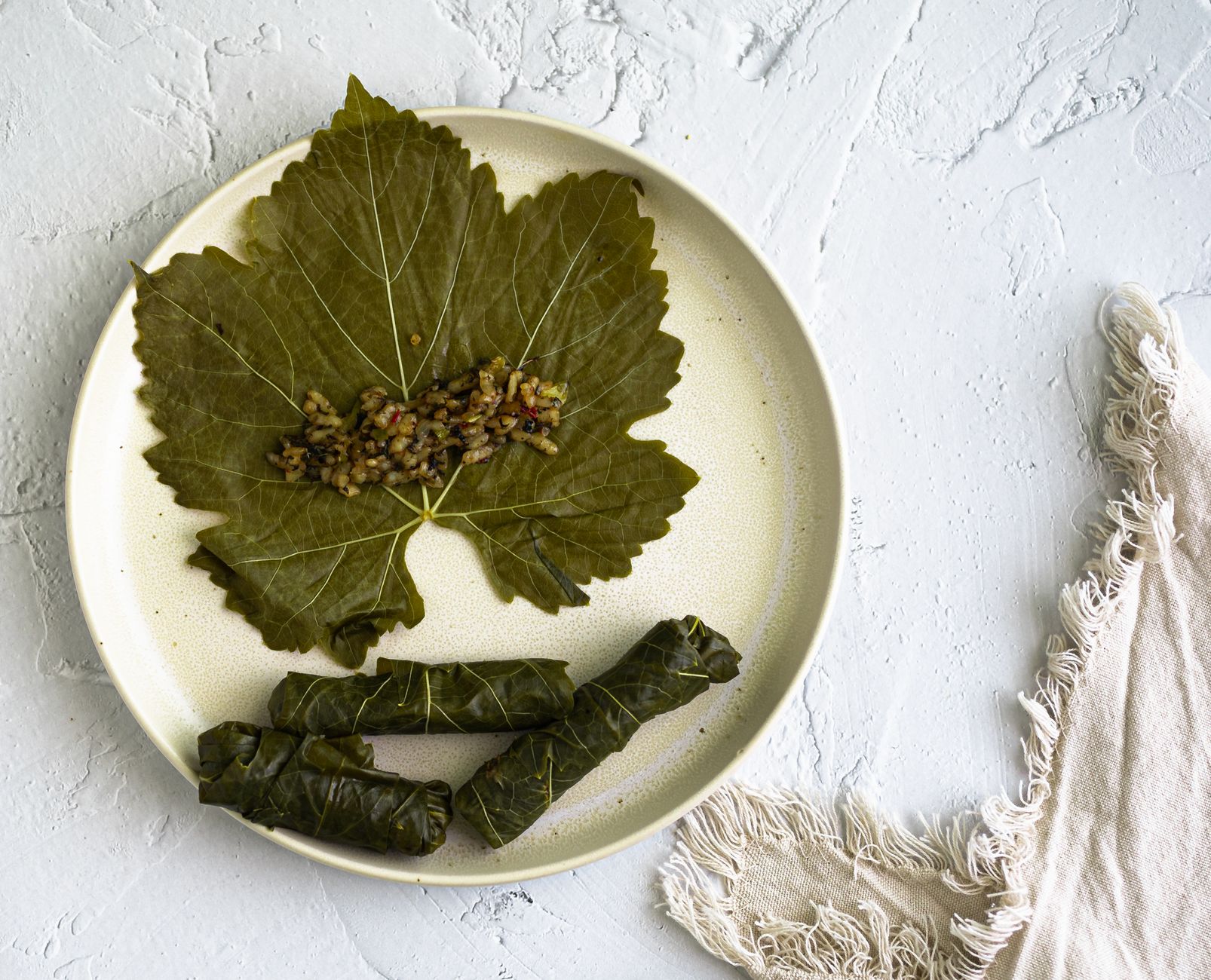
Stuffed grape leaves, also known as dolmas or dolmades, are a beloved dish with origins in Middle Eastern, Mediterranean, and Balkan cuisines. They consist of tender grape leaves wrapped around a flavorful mixture, typically involving rice, herbs, and sometimes meat. Their unique taste profile, filled with aromatic spices and the slight tang of grape leaves, make them a popular option for snacking, appetizers, or as part of a main meal.
This guide will explore the various components of stuffed grape leaves, including the ingredients, preparation methods, and tips for perfecting this delightful dish at home. Whether you’re a seasoned cook or a beginner, you’ll find valuable information to help you master stuffed grape leaves.
What Is in Stuffed Grape Leaves?
Stuffed grape leaves primarily consist of grape leaves filled with a mixture that usually includes rice, herbs, spices, and sometimes meat. The filling can vary widely depending on cultural traditions or personal preferences. Traditional stuffed grape leaves may contain ingredients such as ground lamb or beef, fresh herbs like dill and parsley, and spices like cinnamon and allspice.
The Basic Components of Stuffed Grape Leaves
When preparing stuffed grape leaves, you need to understand the fundamental components: the grape leaves, the filling, and any added flavors or sauces. Below, we break down each component in detail.
The Grape Leaves
Grape leaves can be acquired fresh or jarred. Fresh grape leaves are often available during the growing season, while jarred leaves are accessible year-round.
- Fresh Grape Leaves: These are preferred for their tender texture and vibrant flavor. When using fresh leaves, they need to be blanched briefly to soften them and make them pliable for wrapping.
- Jarred Grape Leaves: These leaves are preserved in brine. Rinse them well in cold water to reduce the brininess before using them. They are often more convenient for beginners.
The Filling
The filling is the heart of stuffed grape leaves, and it usually contains combinations of the following ingredients:
- Rice: Long-grain rice is commonly used for its fluffy texture, but short-grain rice can work as well for a stickier consistency.
- Meat: Ground meat (such as lamb, beef, or chicken) is often included. Meats add richness and depth to the flavors.
- Herbs: Fresh herbs like parsley, dill, and mint are integral to the filling, giving it a fresh, aromatic quality.
- Onions: Sautéed onions add sweetness and texture, enhancing the overall flavor of the filling.
- Spices: Common spices include black pepper, cinnamon, and allspice. These spices contribute warmth and complexity.
- Tomato Paste or Diced Tomatoes: These ingredients can be added to the filling or cooking liquid to provide moisture and acidity, balancing the flavors.
Cooking Sauce and Additional Ingredients
The cooking sauce is essential for flavor and moisture. It typically consists of:
- Olive Oil: Used for richness and flavor.
- Vegetable or Chicken Broth: This adds depth to the cooking liquid.
- Lemon Juice: Fresh lemon juice gives a bright acidity that complements the richness of the filling.
- Salt and Pepper: Essential to enhance the overall flavor of the dish.
How to Make Stuffed Grape Leaves
Now that you’re familiar with the components, let’s go through the process of making stuffed grape leaves. This step-by-step guide will cover everything from preparing the grape leaves to cooking the dish.
Ingredients
- 40-50 grape leaves (fresh or jarred)
- 1 cup long-grain rice, rinsed and drained
- 1 lb ground meat (lamb, beef, or chicken)
- 1 onion, finely chopped
- 1/2 cup fresh parsley, chopped
- 1/4 cup fresh dill, chopped
- 1/4 cup fresh mint, chopped (optional)
- 1/2 teaspoon black pepper
- 1/2 teaspoon allspice
- 1 teaspoon cinnamon
- 2 tablespoons tomato paste or 1 cup diced tomatoes
- 3-4 tablespoons olive oil
- 1 cup chicken or vegetable broth
- Juice of 2 lemons
- Salt to taste
Essential Equipment
- Large pot for cooking
- Sauté pan for the filling
- Mixing bowl for combining ingredients
- Flat surface for rolling grape leaves
- Steamer basket or heat-proof plate (to prevent the grape leaves from floating)
- Sharp knife for chopping
- Measuring cups and spoons
Step-by-Step Instructions
- Prepare the grape leaves: If using fresh leaves, bring a large pot of water to a boil. Add the fresh leaves and boil for about 2-3 minutes until softened. Remove and drain. Rinse in cold water and set aside. If using jarred leaves, rinse them thoroughly to remove excess brine.
- Make the filling: In a sauté pan, heat 2 tablespoons of olive oil over medium heat. Add the chopped onions and sauté until translucent. In a large mixing bowl, combine the rice, ground meat, herbs, spices, tomato paste (or diced tomatoes), and sautéed onions. Mix well and season with salt and pepper.
- Preheat your oven to 350°F (180°C). Grease a large baking dish with olive oil.
- Assemble the stuffed grape leaves: Place a grape leaf on a flat surface, vein side up. Add about 1-2 tablespoons of filling near the stem end of the leaf. Fold the sides over the filling, then roll the leaf from the stem end toward the tip, making a tight roll. Repeat until all leaves are filled.
- Arrange the stuffed grape leaves in the baking dish, seam side down. If you have leftover leaves, you can layer them on top. Add the broth, remaining olive oil, and lemon juice to the dish. The cooking liquid should just cover the rolls.
- Cover the baking dish tightly with aluminum foil. Bake for about 45 minutes to 1 hour, or until the rice is cooked and the rolls are tender. Check occasionally and add more broth if needed.
- Once cooked, remove from the oven and let them sit for at least 10 minutes before serving. Enjoy warm or at room temperature, with a drizzle of olive oil and a squeeze of fresh lemon juice on top.
Common Mistakes to Avoid
While making stuffed grape leaves can seem straightforward, some common pitfalls can affect the outcome. Here are some tips to ensure success:
- **Overfilling**: Adding too much filling can make it difficult to roll the leaves and may lead to bursting while cooking. Use just the right amount to keep them snug.
- **Not blanching fresh leaves**: If using fresh grape leaves, forget to blanch them can lead to tough and hard-to-roll leaves.
- **Insufficient cooking time**: Be patient and ensure the stuffed grape leaves are thoroughly cooked. The rice needs adequate time to soften and absorb flavors.
- **Skipping flavoring**: Herbs and spices are essential for a delicious filling. Don’t skimp on these ingredients, as they elevate the overall taste.
Variations and Substitutions
Stuffed grape leaves are versatile, and many variations can appeal to different dietary preferences or flavor profiles. Here are a few ideas:
- **Vegetarian Version**: Replace the meat with cooked lentils or chickpeas. Add more vegetables like finely chopped carrots, zucchini, or bell peppers for extra nutrients.
- **Quinoa Replacement**: Instead of rice, you can use cooked quinoa for a nutty flavor and added protein.
- **Different Herbs and Spices**: Experiment with different herb combinations, such as basil or cilantro, and spices like cumin for a different flavor profile.
- **Add Nuts or Dried Fruits**: Chopped pine nuts or raisins can add an unexpected twist to the filling, enhancing its texture and flavor.
Serving Suggestions
Stuffed grape leaves are often served as part of a meze platter or alongside traditional sides. Here are some ideas for serving:
- Accompany with tzatziki or a yogurt sauce for a refreshing dip.
- Serve with a wedge of lemon to enhance the citrusy flavor when squeezing fresh juice over them.
- Add a side of fresh salad or roasted vegetables for a balanced meal.
- Pair with pita bread or flatbreads to soak up any remaining sauce.
Storage and Reheating
Stuffed grape leaves can be made in advance and stored for later. Here are some practical storage tips:
- Refrigeration: Store any leftovers in an airtight container in the refrigerator for up to 4 days. They can be enjoyed cold or reheated.
- Freezing: If you want to make a larger batch, stuffed grape leaves freeze well. Allow them to cool completely before placing them in a freezer-safe container for up to 3 months. To reheat, thaw overnight in the refrigerator and reheat in the oven or on the stovetop.
Conclusion
Stuffed grape leaves are a delicious and versatile dish that can be tailored to anyone’s taste preferences. With their combination of tender grape leaves and a savory filling, they make an excellent choice for appetizers, main courses, or part of a larger meal. By understanding the key ingredients and methods, you can confidently create this cherished dish at home.
Ready to explore more delightful recipes? Check out our stuffed grape leaves recipe for a practical guide to making this delicious dish at home!