
Inflammation can be both a necessary and a harmful response in the body, influencing various health conditions. Though some inflammation is essential for healing, chronic inflammation can lead to numerous diseases. Understanding which foods can help mitigate inflammation is crucial for those looking to improve their health through diet.
This guide will help you explore various foods known for their anti-inflammatory properties, how to incorporate them into your meals, and portion suggestions for a balanced approach.
What Foods Help Reduce Inflammation?
A variety of foods can help reduce inflammation in the body. These foods primarily include fruits, vegetables, whole grains, healthy fats, lean proteins, and spices. Incorporating these nourishing items into your diet can help regulate inflammatory processes and promote overall health.
Understanding the Basics of Inflammation
Inflammation is part of the immune system’s response to injury or infection. However, when inflammation persists, it can lead to health issues such as heart disease, diabetes, and autoimmune disorders. Including anti-inflammatory foods can help combat chronic inflammation and provide additional health benefits.
Fruits That Help Reduce Inflammation
Fruits are rich in antioxidants, vitamins, and minerals that support the immune system and enhance overall health. Below are some top picks:
- Berries: Blueberries, strawberries, and blackberries are packed with antioxidants called flavonoids, particularly anthocyanins, which have anti-inflammatory effects.
- Cherries: Tart cherries are known for reducing inflammation markers in the body, making them a great addition to smoothies or oatmeal.
- Pineapple: This tropical fruit contains bromelain, an enzyme that may help reduce inflammation, especially in cases of arthritis.
- Oranges: Rich in vitamin C, oranges and other citrus fruits can reduce inflammation and improve immune function.
Practical Serving Suggestions for Fruits
A serving of fruit is typically one medium fruit or one cup of berries. Aim to fill half your plate with fruits and vegetables at each meal for optimal health benefits.
Vegetables to Include in Your Diet
Vegetables are essential for a well-balanced diet, and many possess anti-inflammatory properties. Here are key vegetables to consider:
- Leafy Greens: Spinach, kale, and Swiss chard are low in calories and high in vitamins A, C, and K, making them ideal for fighting inflammation.
- Broccoli: This cruciferous vegetable contains sulforaphane, which has been shown to reduce markers of inflammation.
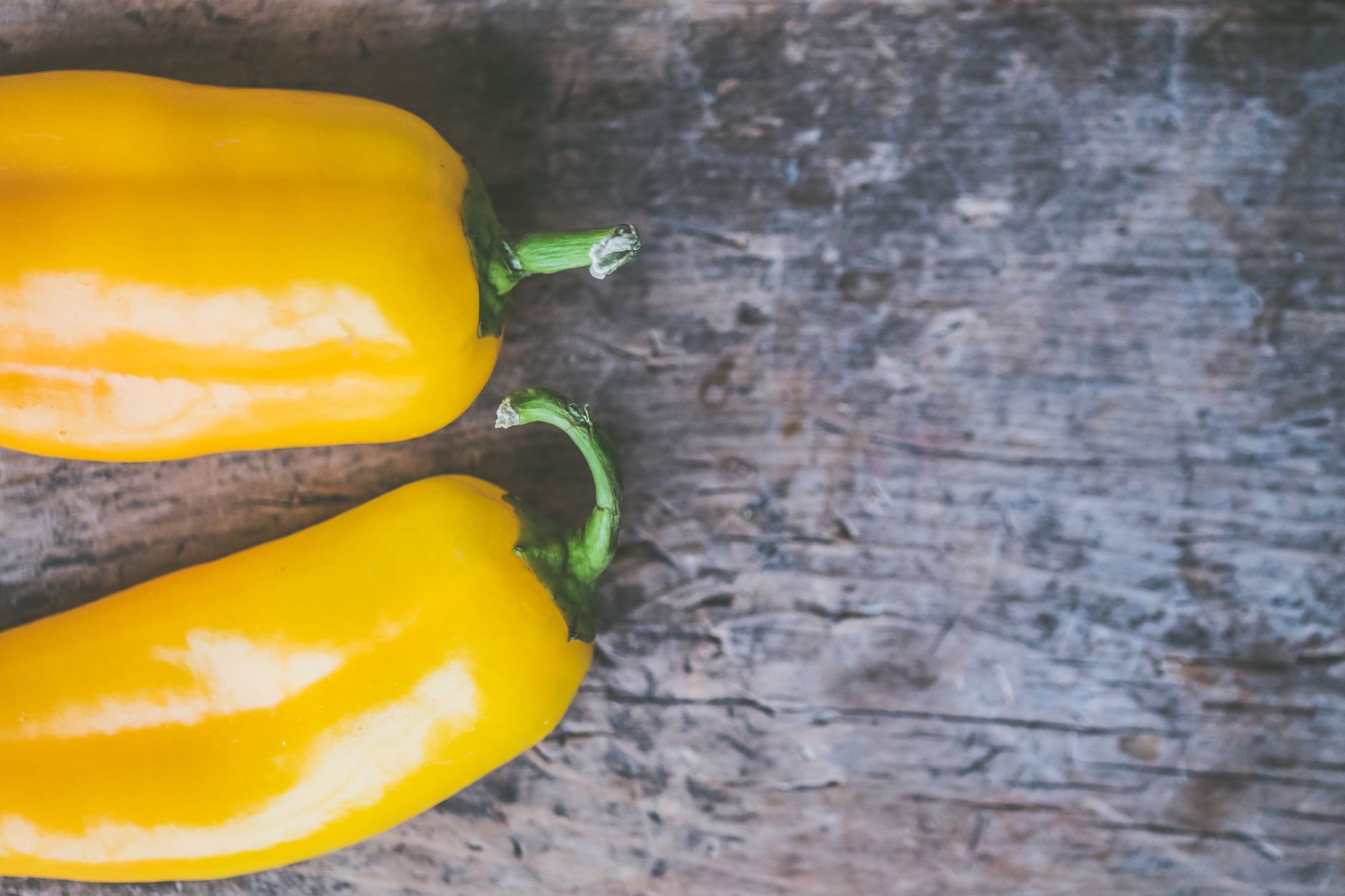
- Bell Peppers: Especially red and yellow peppers, are rich in antioxidants and vitamin C, both known to combat inflammation.
- Sweet Potatoes: A good source of fiber and vitamins, sweet potatoes also contain beta-carotene, an antioxidant with anti-inflammatory properties.
Portion Guidelines for Vegetables
A general recommendation is to fill half your plate with non-starchy vegetables at lunch and dinner. Aim for at least two to three servings of vegetables per day for better health.
Whole Grains for Inflammation Control
Whole grains provide fiber and nutrients that help lower inflammation. Here are some excellent options:
- Oats: A good source of soluble fiber, oats can help reduce levels of C-reactive protein (CRP), a marker of inflammation.
- Brown Rice: As a whole grain, brown rice is more nutritious than white rice and may help reduce inflammation.
- Quinoa: This pseudo-grain is high in protein and fiber, containing antioxidants that can help combat inflammation.
- Barley: Full of fiber, barley can help improve cholesterol and control inflammation.
Integrating Whole Grains into Your Diet
For proper portions, aim for about ¼ to ½ cup of cooked whole grains per meal. Swap out refined grains for whole grains for more health benefits.
Healthy Fats to Embrace
Not all fats are created equal. Healthy fats, particularly omega-3 fatty acids, can significantly help reduce inflammation:
- Avocado: Packed with monounsaturated fats, avocados can help lower inflammation and support heart health.
- Olive Oil: Extra virgin olive oil contains oleocanthal, which has similar effects to ibuprofen in reducing inflammation.
- Fatty Fish: Salmon, mackerel, and sardines are rich in omega-3 fatty acids known for their anti-inflammatory properties.
- Nuts and Seeds: Walnuts, flaxseeds, and chia seeds are excellent sources of omega-3s and vitamins, beneficial for overall health.
Portion Sizes for Healthy Fats
For healthy fats, a serving is typically one ounce of nuts or seeds, two tablespoons of oil, and a 3-4 ounce portion of fatty fish. Mind the portion sizes as calories can add up quickly.
Lean Proteins and Their Role
Lean proteins are vital for muscle maintenance and overall health. Consider the following options:
- Chicken and Turkey: Lean poultry contains essential amino acids without excessive saturated fat, promoting better health.
- Legumes: Beans, lentils, and peas are high in fiber and protein, known to help reduce inflammation.
- Tofu and Tempeh: These soy-based proteins are versatile and plant-based alternatives rich in protein and healthy fats.
- Eggs: A complete source of protein, eggs contain nutrients that can help regulate inflammation.
Guidelines for Protein Portions
For proteins, generally, aim for a 3-4 ounce serving of meat or poultry and one cup of legumes to meet your daily requirements without overloading on calories.
The Power of Spices in Reducing Inflammation
Many spices are natural anti-inflammatory agents that easily add flavor to your dishes. Here are some notable examples:
- Turmeric: Contains curcumin, a compound renowned for its anti-inflammatory effects. Use fresh or ground turmeric in curries and stews.
- Ginger: Known for its ability to combat nausea and pain, ginger can be added fresh, dried, or in tea.
- Garlic: Contains sulfur compounds that help reduce inflammation and lower blood pressure.
- Cinnamon: This common spice contains antioxidants that may help lower inflammation and reduce blood sugar levels.
Using Spices Effectively
Incorporate spices freely into your cooking. For instance, a teaspoon of turmeric or ginger can make a significant difference in flavor while offering health benefits.
Creating an Anti-Inflammatory Meal Plan
Planning meals with various anti-inflammatory foods in mind can be beneficial. Here’s a practical approach to meal planning:
Weekly Meal Plan Example
| Meal | Foods |
|---|---|
| Breakfast | Oatmeal topped with berries and walnuts. |
| Lunch | Quinoa salad with spinach, bell peppers, and chickpeas. |
| Dinner | Grilled salmon with steamed broccoli and sweet potatoes. |
| Snack | Carrot sticks with hummus and a small handful of almonds. |
Aim to include various colors in your meals to ensure you are getting a wide range of nutrients and antioxidants. Planning for leftovers can also simplify meal prep, allowing for quick lunch options using dinner’s ingredients.
Common Mistakes to Avoid
When trying to eat a more anti-inflammatory diet, there are some common pitfalls to be aware of:
- Ignoring Portion Sizes: Even healthy foods can contribute to weight gain and inflammation if consumed in excess.
- Relying on Supplements: Whole foods provide a synergy of nutrients not found in supplements that can effectively reduce inflammation.
- Skipping Variety: Eating a wide variety of foods ensures you receive all necessary nutrients and antioxidants that combat inflammation.
- Overlooking Processed Foods: Many processed foods contain high levels of sugar and unhealthy fats that can increase inflammation.
Storage and Preservation of Anti-Inflammatory Foods
Proper storage of foods ensures they maintain their nutritional value:
- Fruits and Vegetables: Store leafy greens and berries in the refrigerator in breathable containers to extend freshness.
- Whole Grains: Keep them in airtight containers in a cool, dry place to prevent spoilage.
- Nuts and Seeds: Store in the refrigerator or freezer to maintain freshness and prevent the oils from going rancid.
- Oils: Store olive and other oils in dark, cool places to prevent oxidation.
Making Informed Food Choices
When shopping for foods that help reduce inflammation, consider the following tips:
- Choose organic produce when possible to limit chemical exposure.
- Read labels to avoid added sugars and unhealthy fats in grains and processed foods.
- Opt for seasonal produce for maximum flavor and nutrient density.
- Buy in bulk, especially for whole grains, nuts, and seeds, to save money.
Summary and Final Thoughts
Many foods enhance the body’s ability to combat inflammation. Fruits, vegetables, whole grains, healthy fats, proteins, and spices all play vital roles in promoting overall health. Implementing these foods into your diet systematically can support your health goals while also being delicious and satisfying. Keep in mind that a varied diet, proper portion control, and awareness of ingredients are essential to maintaining your health.
Explore our content for more ideas, such as the benefits of chia seeds or try our golden milk recipe for a delicious anti-inflammatory drink!