
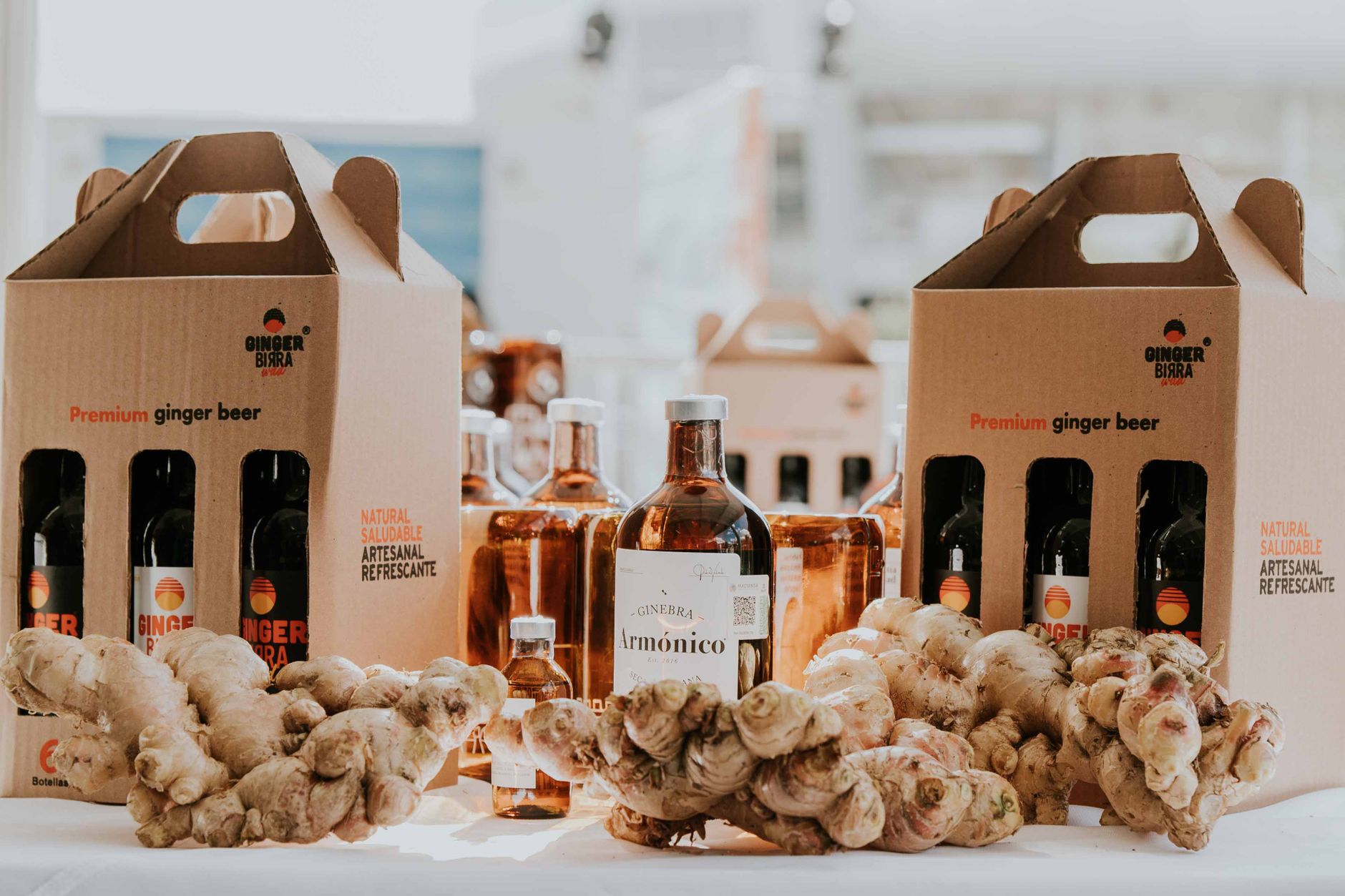
Beer is one of the oldest and most widely consumed beverages in the world, enjoyed for its rich flavor, variety, and cultural significance. Understanding what goes into beer—from its ingredients to the brewing process—can enhance your appreciation for this classic drink. In this article, we will explore the components of beer, its flavors, and how best to serve it.
Whether you’re a craft beer enthusiast or a casual drinker, knowing the chemistry behind beer can deepen your experience. Let’s break down the essential ingredients found in beer, the flavors they create, and how to serve beer in a way that highlights its unique characteristics.
What Is in Beer?
Beer is primarily made from four main ingredients: water, malted grains (usually barley), hops, and yeast. Each of these elements contributes unique flavors and aromas to the final product, making beer a versatile beverage. Let’s take a deeper look into each ingredient.
1. Water
Water is the most abundant ingredient in beer, making up over 90% of its composition. The quality and mineral content of the water can significantly affect the taste and mouthfeel of the beer. Different regions may have distinct water profiles that lend various characteristics to the beer, such as hardness or softness.
Water Profiles
The two main types of water profiles are soft and hard water:
- Soft Water: Contains low concentrations of minerals; typically results in lighter, crisp beers.
- Hard Water: Contains higher concentrations of minerals, particularly calcium and magnesium; tends to produce more robust and full-bodied beers.
2. Malted Grains
Malted grains, primarily barley, provide the sugars that yeast will ferment into alcohol. The malting process involves soaking the grains in water, allowing them to germinate, and then drying them in a kiln. This process develops the enzymes necessary for converting starches into fermentable sugars.
Types of Malt
Different malts contribute various flavors, colors, and aromas to the beer:
- Pale Malt: The most common base malt; adds a light, bready flavor.
- Caramel/Crystal Malt: Adds sweetness and color; gives a toasty, caramel-like flavor.
- Roasted Malt: Contributes dark colors and flavors, including chocolate or coffee notes.
3. Hops
Hops are the flowers of the hop plant, and they play a critical role in balancing the sweetness of the malt with bitterness. They also contribute aromas and flavors, from floral and citrus to earthy and spicy, enhancing the overall drinking experience.
Hops Varieties
Various hop varieties are used for different effects:
- Bittering Hops: Added during the boil to contribute bitterness.
- Aroma Hops: Added at the end of the boil or during fermentation to enhance aroma without adding much bitterness.
4. Yeast
Yeast is the organism that ferments the sugars extracted from the malt, producing alcohol and carbon dioxide. There are two main types of yeast used in beer brewing: ales and lagers.
Ales vs. Lagers
The choice of yeast affects the beer’s flavor and character:
- Ale Yeasts (Top Fermenting): Ferment at warmer temperatures; produce fruity and complex flavors.
- Lager Yeasts (Bottom Fermenting): Ferment at cooler temperatures; yield cleaner, crisper flavors.
Flavor Profile of Beer
The combination of these ingredients results in a varied flavor profile, influenced by the type of beer being brewed. Each beer brings its unique characteristics based on the balance of sweetness, bitterness, acidity, and alcohol content.
Common Beer Styles and Their Flavors
Understanding the main beer styles can also help in appreciating their tastes:
- Pale Ale: Balanced with moderate bitterness and fruity or floral notes.
- Stout: Dark with strong roasted flavors, often with chocolate or coffee notes.
- Lager: Fresh, crisp, and clean with varying degrees of sweetness and subtle hops.
How to Serve Beer
Serving beer properly can significantly enhance its flavors and overall experience. Consider the following aspects when serving beer:
1. Glassware
The type of glass used can alter the perception of beer flavor and aroma. Different styles of glasses are designed to highlight specific attributes:
- Pint Glass: Common for lagers and ales; allows for easy drinking.
- Snifter: Great for barrel-aged beers; encourages aromatic evaporation.
- Weizen Glass: Designed for wheat beers; elongated to accommodate the frothy head.
2. Temperature
The serving temperature also plays a vital role. Generally, lighter beers are best served colder (38-45°F), while stronger ales and stouts fare better at slightly warmer temperatures (45-55°F). These temperatures enhance aroma and flavor nuances, allowing for a more enjoyable experience.
3. Pouring Technique
A proper pour enhances the beer’s flavors and carbonation:
- Hold the glass at a 45-degree angle and pour gently down the side until it is half full.
- Straighten the glass and pour into the center to create a healthy head of foam.
- Let the beer settle before enjoying to appreciate the aromas fully.
Beer Pairing with Food
Pairing beer with the right food can elevate both the dish and the drink. Understanding how flavors interact is essential for successful pairing. Here are some general guidelines:
1. Match Intensity
Consider the intensity of both the food and the beer. Heavier beers pair well with hearty dishes, while lighter beers complement more delicate flavors.
2. Contrast Flavors
Sometimes, contrasting flavors can enhance the dining experience. A bitter IPA pairs nicely with spicy foods by cooling down the heat, while a malty stout goes well with salty foods.
3. Highlight Ingredients
Food and beer can showcase similar ingredients—as a rule of thumb, dishes cooked in beer match best with the same beer.
Common Beer Mistakes to Avoid
Even seasoned drinkers can make mistakes when it comes to beer. Here are a few to watch for:
1. Improper Storage
Exposing beer to heat or sunlight can spoil its flavor. Store beer in a cool, dark place, ideally at a consistent temperature between 45°F and 55°F.
2. Serving Temperature
Serving beer at the wrong temperature can mask its flavors. Make sure to chill beers appropriately based on their style to fully appreciate their taste.
3. Overpouring or Underpouring
Not pouring beer correctly can affect carbonation and flavor. Always ensure to create a sufficient head with your pour to enhance aroma and taste.
Make Your Own Beer at Home
If you’re interested in diving deeper into the world of beer, why not try homebrewing? Here’s a basic overview of what the process involves:
Essential Equipment
Gather the necessary brewing equipment:
- Brewing kettle
- Fermentation vessel
- Bottling equipment (bottles, caps, and capper)
- Sanitizing agents
Basic Brewing Process
- Sanitize: Make sure everything is sanitized to avoid contamination.
- Heat Water: Heat the appropriate amount of water and add your grains to steep.
- Boil: After steeping, bring the mixture to a boil and add hops according to your recipe.
- Cool and Ferment: Cool the beer mixture quickly, transfer it to your fermentation vessel, and add yeast.
- Bottle: Once fermentation is complete, bottle your beer and let it condition before drinking.
Conclusion
Beer is a rich tapestry of flavors, aromas, and cultural traditions. By understanding its ingredients, flavors, and the art of serving it, you can gain a greater appreciation for this age-old beverage. Whether enjoying it with food or exploring home brewing, beer offers countless experiences to explore.
Ready to continue your beer journey? Explore more about Pilsner styles or try out a beer can chicken recipe for a delicious pairing with your favorite brew.