
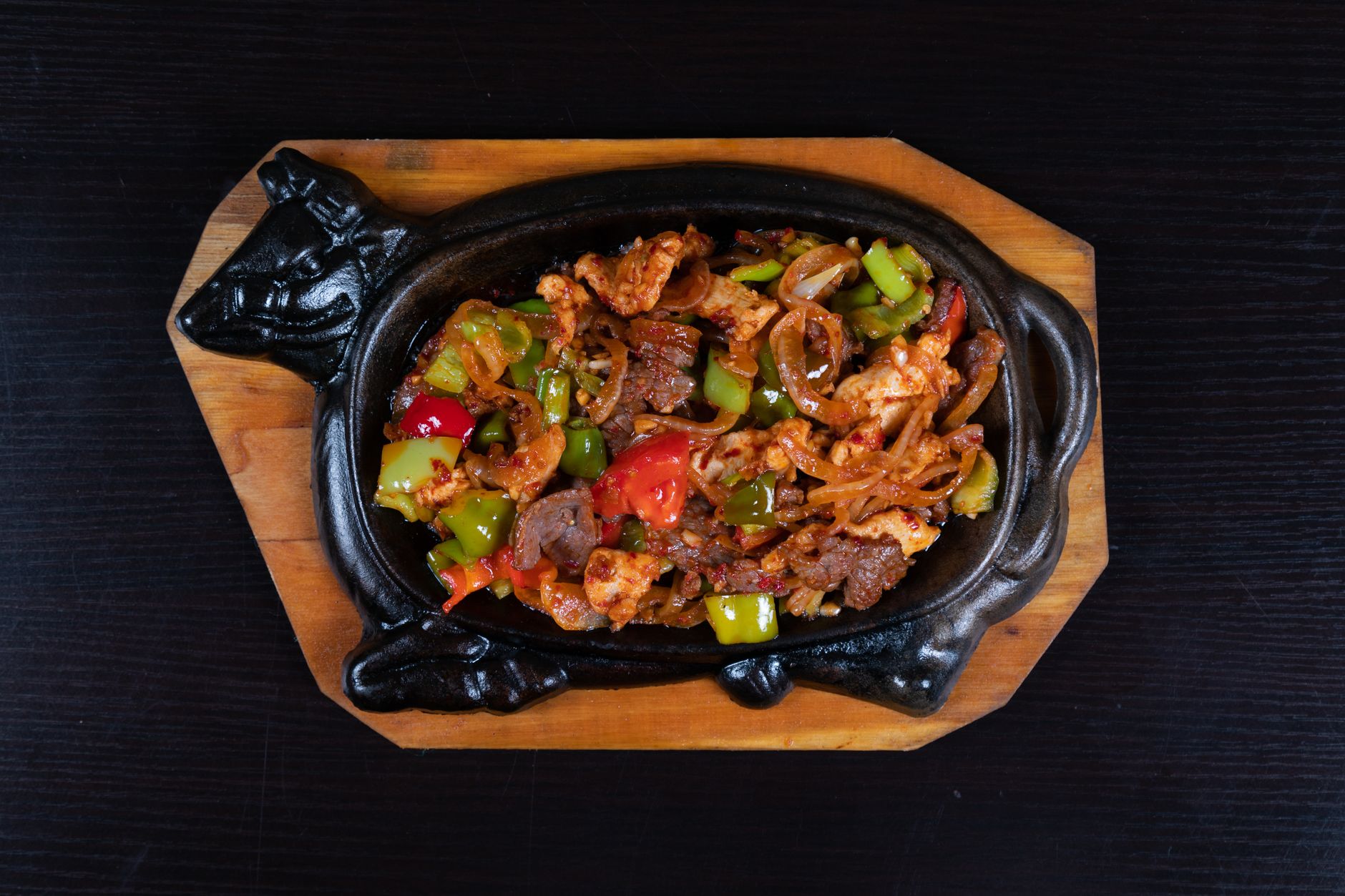
Hunan Beef is a popular dish that hails from the Hunan province of China, known for its bold flavors and spicy profile. Characterized by its tangy, spicy sauce, tender beef, and vibrant vegetables, it’s a fantastic option for those who enjoy a bit of heat in their meals. The dish often strikes a balance between sweetness, spiciness, and umami, making it both delicious and intriguing.
This article will delve into the components of Hunan Beef, its preparation methods, essential ingredients, variations, and tips for successfully recreating this Chinese classic at home.
What Is Hunan Beef?
Hunan Beef refers to stir-fried beef dishes flavored with various vibrant ingredients, typically featuring hot chili peppers and garlic. It originates from the Hunan province, recognized for its love of spicy food and bold seasoning. The dish can be made with different cuts of beef, often paired with an assortment of colorful vegetables, highlighting the cuisine’s emphasis on freshness and flavor.
Characteristics of Hunan Beef
Hunan Beef is generally recognized for its heat, complexity of flavor, and appealing presentation. Here are some key characteristics:
- Spiciness: A defining feature of Hunan cuisine, with dishes often using fresh and dried chili peppers.
- Aromatics: Ingredients like garlic, scallions, and ginger add depth to the flavor profile.
- High-temperature cooking: Stir-frying at high heat retains the beef’s tenderness and the vegetables’ crunch.
- Visual appeal: Served with colorful vegetables like bell peppers and snow peas, the dish is visually inviting.
Ingredients for Hunan Beef
To prepare Hunan Beef, you will need a mix of essential ingredients, both for the beef preparation and the sauce. Here’s a complete list:
- Beef: 1 pound of flank steak or sirloin, thinly sliced against the grain.
- Vegetables:
- 1 cup bell peppers, sliced (red or green)
- 1 cup snow peas or snap peas
- 1 medium onion, sliced
- 2-3 cloves garlic, minced
- 1 tablespoon fresh ginger, minced
- For the marinade:
- 2 tablespoons soy sauce
- 1 tablespoon cornstarch
- 1 tablespoon rice wine or sherry
- For the sauce:
- 3 tablespoons soy sauce
- 2 tablespoons chili paste (adjust based on spice preference)
- 1 tablespoon sugar
- 1 tablespoon vinegar (rice or red)
- 1-2 tablespoons sesame oil
- Cooking oil: vegetable or peanut oil for stir-frying.
Essential Equipment
For cooking Hunan Beef, having the right equipment makes the process smoother. Here’s what you will need:
- Wok or large sauté pan: Ideal for high-heat cooking.
- Chef’s knife: For slicing the beef and vegetables.
- Cutting board: A stable surface for prepping ingredients.
- Mixing bowls: For marinating the beef and combining the sauce ingredients.
- Spatula or wooden spoon: For stirring and flipping the beef and vegetables.
Preparation Steps for Hunan Beef
Creating Hunan Beef involves several straightforward steps, from marinating the beef to stir-frying the ingredients. Here’s how to do it:
- Begin by marinating the beef. In a bowl, combine the sliced flank steak with soy sauce, cornstarch, and rice wine. Mix well and let it marinate for about 30 minutes to an hour to enhance the flavors.
- While the beef marinates, prepare the vegetables. Wash and slice the bell peppers, snow peas, and onion. Mince the garlic and ginger, setting them aside for the stir-fry.
- Next, prepare the sauce by mixing soy sauce, chili paste, sugar, vinegar, and sesame oil in a separate bowl. Stir until well combined and set aside.
- Heat a wok or large skillet over high heat. Add enough cooking oil to coat the bottom of the pan. Once hot, add the marinated beef in a single layer. Let it cook without stirring for about 1-2 minutes until it starts to brown. Flip the beef to cook the other side for another 1-2 minutes.
- Add the minced garlic and ginger to the beef, cooking for an additional minute until fragrant.
- Then, add the sliced onion and bell peppers to the pan. Stir-fry for about 2-3 minutes, or until the vegetables are vibrant but slightly tender.
- Finally, pour in the prepared sauce, tossing all the ingredients together. Stir constantly for 1-2 minutes until everything is well-coated and the sauce thickens slightly.
- Remove from heat and serve hot, accompanied by steamed rice or noodles.
Practical Substitutions and Variations
Hunan Beef is versatile, and you can experiment with different ingredients based on your preferences or dietary needs:
- Beef substitutions: If you prefer, chicken, pork, or tofu can be used in place of beef. Adjust cooking times accordingly; chicken should be cooked until its juices run clear, while tofu may need less time.
- Vegetable variations: Feel free to incorporate other vegetables like broccoli, carrots, or zucchini for a varied texture and color.
- Spice control: Adjust the amount of chili paste or incorporate less spicy ingredients like bell pepper if needed.
- Gluten-free option: Use tamari or coconut aminos instead of soy sauce for a gluten-free version of the dish.
Common Mistakes and Troubleshooting
To ensure a fantastic Hunan Beef experience, here are some common mistakes to avoid:
- Overcooking the beef: Cook beef just until browned. This keeps the meat tender and juicy.
- Too much sauce: Use the right amount of sauce for balanced flavor; too much can overpower the dish.
- Under-prepped vegetables: Ensure vegetables are cut uniformly for even cooking, as varying sizes can lead to overcooked or undercooked pieces.
Serving Suggestions for Hunan Beef
Hunan Beef is best enjoyed fresh from the pan. Here are some serving suggestions to elevate your meal:
- With steamed rice: The freshness of rice complements the spice, soaking up the delicious sauce.
- As part of a larger spread: Serve alongside other Chinese dishes like egg rolls or fried rice for a full meal.
- Garnished: Top with sliced scallions, sesame seeds, or fresh cilantro for an added flavor punch and aesthetic appeal.
Make-Ahead Tips
While Hunan Beef is best enjoyed fresh, you can prepare some components ahead of time:
- Marinate the beef: You can marinate the beef in advance and keep it in the refrigerator for up to 24 hours for enhanced flavor.
- Prep vegetables: Wash and cut vegetables a day before and store them in airtight containers in the refrigerator.
Storage and Reheating Guidance
If you have leftovers, here’s how to store and reheat them safely:
- Storage: Store leftover Hunan Beef in an airtight container in the refrigerator for up to 3 days.
- Freezing: You can freeze cooked Hunan Beef for up to 2 months. However, note that the texture may slightly change upon thawing.
- Reheating: To reheat, use a skillet over medium heat, adding a splash of water or oil to maintain moisture, stirring until heated through.
Conclusion
Hunan Beef is a flavorful and exciting dish that brings the essence of Chinese cuisine right into your kitchen. With its perfect blend of spice, flavor, and vibrant presentations, it’s a dish that can quickly become a favorite in any household. Preparing this dish involves some simple steps and ingredients, making it accessible for home cooks looking to spice up their meal rotation.
To explore more delicious recipes like this, check out our Beijing Beef Recipe and Mongolian Ground Beef Recipe. Happy cooking!