
The sizzle of beef hitting hot oil, the aroma of ginger and garlic filling your kitchen, the first bite of crispy, tangy-sweet meat: this is Beijing beef, and it’s nothing like the takeout version you’ve probably had.
This recipe is a game (yes, I said it) because it delivers restaurant-quality results in under 30 minutes, with a balance of textures and flavors that keeps people coming back for seconds. The beef gets wonderfully crispy on the outside while staying tender inside, and the sauce clings to every piece with a perfect sweet, tangy, and savory kick.
Whether you’re feeding a hungry family on a weeknight or impressing guests with your wok skills, Beijing beef proves that takeout nights can happen in your own kitchen. Let’s make it happen.
Why You’ll Love This Recipe
This dish brings together everything you want from a weeknight dinner: speed, flavor, and that satisfying crunch that makes you feel like you’re eating something special.
- Ready in less than 30 minutes from start to finish
- Crispy, tender beef with a sticky-sweet sauce that coats every piece
- Works perfectly over rice, noodles, or even on its own as a crowd-pleaser
- Uses pantry staples and requires minimal prep work
- Easily scaled up or down depending on how many you’re feeding
My Experience Making This Recipe
The first time I made Beijing beef at home, I was skeptical that I could replicate the crispy-on-the-outside, tender-on-the-inside texture without a commercial deep fryer. Turns out, my home stove handled it beautifully.
What surprised me most was how quickly everything comes together once you have your ingredients prepped and your pan hot enough. The beef crisps up in minutes, and the sauce reduces to that glossy, clingy consistency that makes you want to lick your plate (no judgment here).
My family devoured it straight from the wok, and I loved that it tasted nothing like the heavy, overly sweet version from my usual takeout spot. The ginger and garlic shine through, and the sauce feels balanced rather than cloying.
Recipe Overview
- Recipe Name: Beijing Beef
- Servings: 4
- Prep Time: 15 minutes
- Cook Time: 12 minutes
- Total Time: 27 minutes
- Course: Main Course
- Cuisine: Chinese
- Calories per Serving: 385
Equipment You Will Need
- Wok or large skillet
- Cutting board
- Sharp chef’s knife
- Measuring spoons and cups
- Small mixing bowl
- Wooden spoon or wok spatula
- Meat thermometer (optional but helpful)
- Paper towels
- Shallow dish for coating beef
Ingredients for Beijing Beef
For the Beef
- 1.5 pounds flank steak, thinly sliced against the grain
- 1/4 cup cornstarch
- 1/2 teaspoon salt
- 1/4 teaspoon black pepper
- Vegetable oil for frying (about 2 cups)
For the Sauce
- 1/3 cup soy sauce
- 3 tablespoons rice vinegar
- 3 tablespoons brown sugar
- 2 tablespoons hoisin sauce
- 3 cloves garlic, minced
- 1 tablespoon fresh ginger, minced
- 1 teaspoon sesame oil
- 1/2 teaspoon red pepper flakes
For Serving
- Cooked white or brown rice
- 2 green onions, sliced
- 1 tablespoon sesame seeds
Ingredient Notes and Substitutions
- Flank steak: This cut has great texture and flavor when sliced thin and cooked hot and fast, staying tender without becoming tough. You can swap in sirloin or skirt steak if flank isn’t available, though the texture will be slightly less tender.
- Cornstarch: It creates that golden, crispy exterior when the beef fries, and helps the sauce stick to the meat. If you need gluten-free, cornstarch works perfectly and is naturally gluten-free.
- Rice vinegar: The mild acidity balances the sweetness of the sauce without overpowering it. White vinegar or apple cider vinegar will work, but use slightly less as they’re more assertive.
- Hoisin sauce: This adds umami depth and a hint of sweetness that rounds out the flavor profile. You can skip it if you don’t have it, but the sauce will lose some complexity and richness.
- Sesame oil: It brings a toasty, nutty finish and should be added at the end so heat doesn’t destroy its delicate flavor. Never substitute vegetable oil for sesame oil here, as the taste is completely different.
How to Make Beijing Beef
Step 1: Prepare Your Ingredients
Slice your flank steak thinly against the grain, cutting at a 45-degree angle for maximum tenderness. Pat the beef dry with paper towels to remove excess moisture, which helps it crisp up better when it hits the hot oil.
Step 2: Make the Coating Mixture
Combine cornstarch, salt, and black pepper in a shallow dish and mix until even. This simple coating is all you need to create that signature crispy exterior without any heavy batter.
Step 3: Coat the Beef
Toss the beef pieces in the cornstarch mixture until every piece is evenly coated. Work in batches if needed to avoid overcrowding, and shake off any excess coating so it doesn’t burn in the oil.
Step 4: Heat Your Wok or Skillet
Pour oil into your wok and heat it to 350 to 375 degrees Fahrenheit (or until a small piece of beef sizzles immediately when dropped in). This temperature is hot enough to crisp the exterior without burning it, and creates the coveted golden-brown color.
Step 5: Fry the Beef in Batches
Working in batches to avoid overcrowding, fry the beef for 2 to 3 minutes until golden and crispy on all sides. Don’t stir constantly; let it sit for 30 seconds between stirs so it develops that beautiful crust.
Step 6: Drain the Beef
Transfer the fried beef to a paper towel-lined plate to drain excess oil and keep it crispy. Set it aside while you finish cooking the remaining batches.
Step 7: Prepare the Sauce
In a small bowl, whisk together soy sauce, rice vinegar, brown sugar, hoisin sauce, and red pepper flakes. This goes into the hot wok immediately after the beef is cooked, so have it ready to go.
Step 8: Make the Final Sauce and Combine
Pour off most of the oil from the wok, leaving about 1 tablespoon, and place it back over medium-high heat. Add minced garlic and ginger, stirring constantly for about 30 seconds until fragrant, then pour in your prepared sauce.
Step 9: Finish with the Beef and Oil
Let the sauce bubble and thicken for 1 to 2 minutes, then add all the fried beef back into the wok and toss constantly to coat every piece. Drizzle in the sesame oil at the very end, stirring gently to combine without breaking apart the crispy beef.
Pro Tip: The key to restaurant-quality Beijing beef is getting your oil hot enough and not crowding the pan when frying; rushing these steps or overcrowding means soggy, pale beef instead of crispy, golden perfection.
Tips for the Best Beijing Beef
- Slice your beef against the grain and keep the pieces thin so they cook through quickly and stay tender rather than becoming chewy.
- Pat the beef completely dry before coating; moisture creates steam in the oil, which prevents crisping.
- Let the oil reach the proper temperature before frying; too cool and the beef absorbs oil and becomes greasy, too hot and it burns before cooking through.
- Have all your ingredients prepped and your sauce mixed before you start frying, since everything happens fast once you begin cooking.
- Don’t skip the sesame oil at the end; it adds a depth of flavor that makes the dish taste authentic and restaurant-quality.
- If you want extra crunch, scatter fried onions or crispy garlic chips on top right before serving.
Common Mistakes to Avoid
- Overcrowding the wok when frying beef causes the temperature to drop and the beef steams instead of crisping; fry in smaller batches and wait between additions.
- Adding the sauce while the beef is still very hot can make it soggy rather than crispy; let the beef cool on paper towels first so it stays crunchy.
- Using low-quality soy sauce or skipping the sesame oil makes the dish taste flat and one-dimensional; these ingredients carry most of the flavor.
- Overcooking the beef by using thick slices or cooking too long turns it tough and chewy; thin slices and quick cooking keep it tender.
- Forgetting to taste and adjust the seasoning means you miss the chance to balance sweet, salty, and tangy to your preference; always taste before serving.
Serving Suggestions
Beijing beef shines when served over something that soaks up the sauce, but it’s also fantastic on its own. Here are some of my favorite ways to serve it.
- Over fluffy white rice or jasmine rice to catch all the delicious sauce
- Atop crispy chow mein noodles for textural contrast and extra satisfaction
- Alongside steamed bok choy or broccoli for a more veggie-forward meal
- Over cauliflower rice for a lower-carb version without sacrificing flavor
- Tucked into crispy lettuce cups for a fun, interactive appetizer-style presentation
Variations to Try
- Spicy Version: Increase the red pepper flakes to 1 teaspoon and add a tablespoon of sriracha to the sauce for serious heat that builds as you eat.
- Orange Beijing Beef: Add 2 tablespoons of fresh orange juice and 1 teaspoon of orange zest to the sauce for a citrusy twist that brightens the savory elements.
- Honey Glazed: Replace some of the brown sugar with honey for a smoother sweetness and glossier sauce that coats the beef beautifully.
- Garlic Lover’s Version: Double the garlic and add a tablespoon of black garlic paste if you can find it for an even deeper, more complex flavor.
- Mushroom and Beef: Quickly fry sliced shiitake or cremini mushrooms with the beef to add earthiness and chewiness that complements the crispy meat.
Dietary Adaptations
- Gluten-Free: Use tamari instead of regular soy sauce, which is naturally gluten-free and tastes nearly identical; the cornstarch coating is already gluten-free.
- Dairy-Free: This recipe is naturally dairy-free, so no changes needed unless you’re serving it with dairy-containing sides.
- Vegan/Vegetarian: Substitute the beef with extra-firm tofu or seitan cut into bite-sized pieces and fry the same way; the sauce works perfectly with plant-based proteins.
- Low-Carb/Keto: Use half the cornstarch and compensate by increasing frying time slightly, or skip it entirely and pan-fry the beef instead; reduce the brown sugar to 1 tablespoon or use a sugar substitute.
Storage and Reheating
Refrigerator
Store the cooked beef and sauce in a separate airtight container from rice to prevent the rice from getting soggy. It keeps for up to 3 days.
- Let it cool completely before sealing the container
- Store any leftover rice separately in its own container
Freezer
The beef and sauce freeze well for up to 2 months when stored in a freezer-safe container. The texture of the beef remains tender when thawed properly.
- Let cool completely, then portion into meal-sized containers
- Label with the date so you remember when you made it
Reheating
Reheat gently to preserve the crispy texture as much as possible. A wok or skillet over medium heat works better than a microwave for maintaining texture.
- Thaw frozen beef in the refrigerator overnight before reheating
- Reheat in a wok or skillet over medium heat for 3 to 4 minutes, stirring occasionally
- If it seems dry, add a splash of water or a drizzle of sesame oil to revive the sauce
Nutrition Information
| Nutrient | Amount |
|---|---|
| Calories | 385 |
| Total Fat | 18 g |
| Saturated Fat | 5 g |
| Carbohydrates | 22 g |
| Fiber | 1 g |
| Sugar | 12 g |
| Protein | 32 g |
| Sodium | 890 mg |
| Cholesterol | 68 mg |
These values are based on the beef and sauce only and do not include rice or other sides. Nutritional content varies based on specific ingredients used and portion sizes.
Frequently Asked Questions
Can I Use a Different Cut of Beef?
Absolutely, sirloin tip or skirt steak work well, though they may be slightly less tender than flank steak. The key is slicing thin and cooking quickly over high heat to keep the meat from toughening.
Can I Make This Ahead of Time?
You can prepare the sauce and prep your ingredients hours before cooking, but fry the beef just before serving to keep it crispy. If you must make it ahead, store the beef and sauce separately and reheat gently in a wok.
What Oil Should I Use for Frying?
Use an oil with a high smoke point like vegetable oil, canola oil, or peanut oil. Avoid olive oil, which smokes at lower temperatures and will impart unwanted flavor.
Why Is My Beef Turning Out Soggy Instead of Crispy?
This happens when the oil isn’t hot enough, you’ve overcrowded the wok, or you’re adding the sauce too quickly while the beef is still hot. Make sure your oil reaches proper temperature and fry in batches for crispy results.
Can I Make This Without a Wok?
Yes, a deep skillet or Dutch oven works perfectly fine for frying the beef. Just make sure it’s large enough that you’re not overcrowding the pan and can maintain oil temperature throughout cooking.
How Spicy Is This Recipe As Written?
The half teaspoon of red pepper flakes gives a subtle background heat that most people find mild to moderate. Increase the amount if you like more spice, or omit it entirely if you prefer no heat at all.
Can I Use Bottled Minced Garlic and Ginger?
Fresh is always better for optimal flavor, but in a pinch, bottled versions work; just use slightly less since they’re more concentrated. Store-bought versions sometimes have a sharper, slightly metallic taste compared to freshly minced.
Final Thoughts
Making Beijing beef at home transforms what feels like takeout magic into something you control completely. You decide how crispy the beef gets, how balanced the sauce tastes, and whether you want extra heat or extra sweetness.
The next time you’re craving that restaurant experience without the wait or delivery fees, fire up your wok and give this recipe a try. Your family will be asking for it again within the week, I promise.
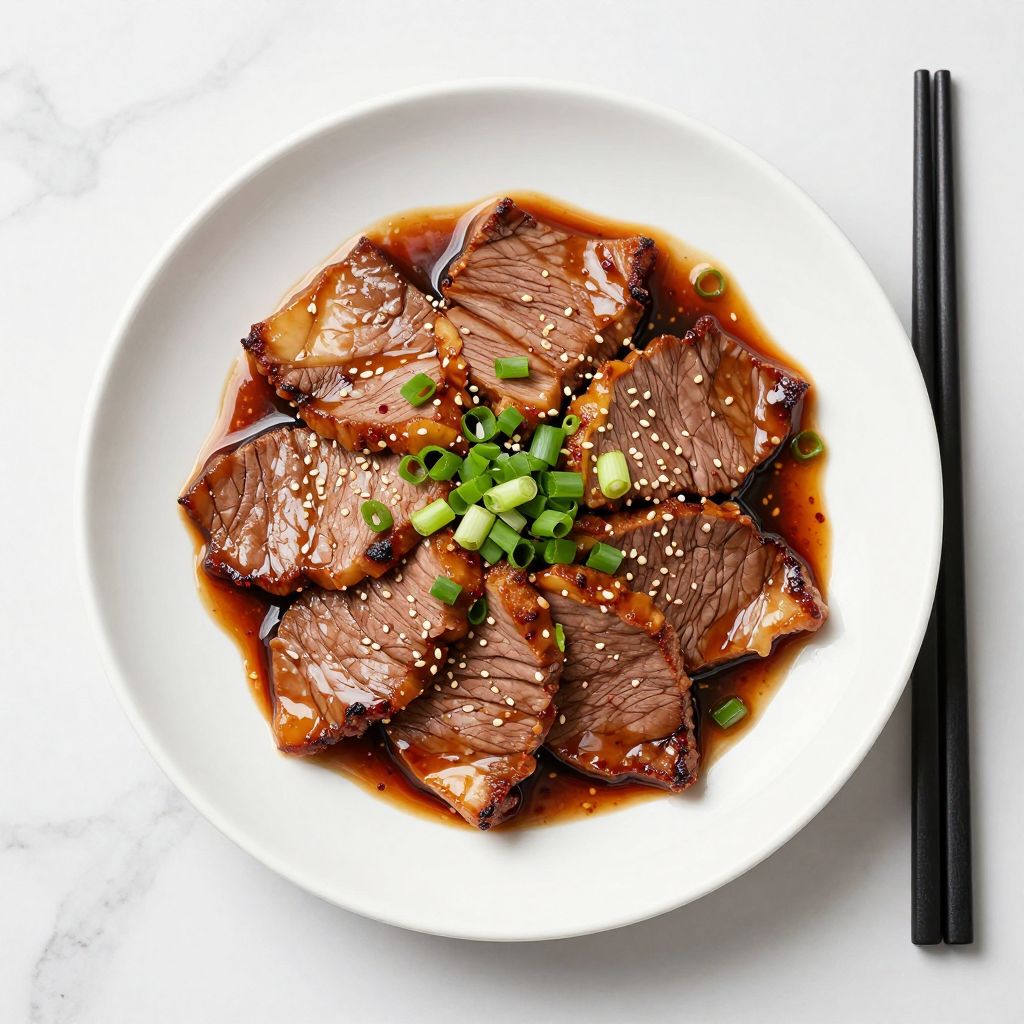
Beijing Beef
Ingredients
Equipment
Method
- Slice your flank steak thinly against the grain, cutting at a 45-degree angle for maximum tenderness. Pat the beef dry with paper towels to remove excess moisture.
- Combine cornstarch, salt, and black pepper in a shallow dish and mix until even.
- Toss the beef pieces in the cornstarch mixture until every piece is evenly coated. Shake off any excess coating.
- Pour oil into your wok and heat it to 350 to 375 degrees Fahrenheit (or until a small piece of beef sizzles immediately when dropped in).
- Working in batches to avoid overcrowding, fry the beef for 2 to 3 minutes until golden and crispy on all sides. Let it sit for 30 seconds between stirs so it develops a crust.
- Transfer the fried beef to a paper towel-lined plate to drain excess oil. Set aside while cooking remaining batches.
- In a small bowl, whisk together soy sauce, rice vinegar, brown sugar, hoisin sauce, and red pepper flakes.
- Pour off most of the oil from the wok, leaving about 1 tablespoon, and place it back over medium-high heat. Add minced garlic and ginger, stirring constantly for about 30 seconds until fragrant.
- Pour in your prepared sauce and let it bubble and thicken for 1 to 2 minutes.
- Add all the fried beef back into the wok and toss constantly to coat every piece. Drizzle in the sesame oil at the very end, stirring gently to combine.
- Serve over cooked rice and garnish with sliced green onions and sesame seeds.