
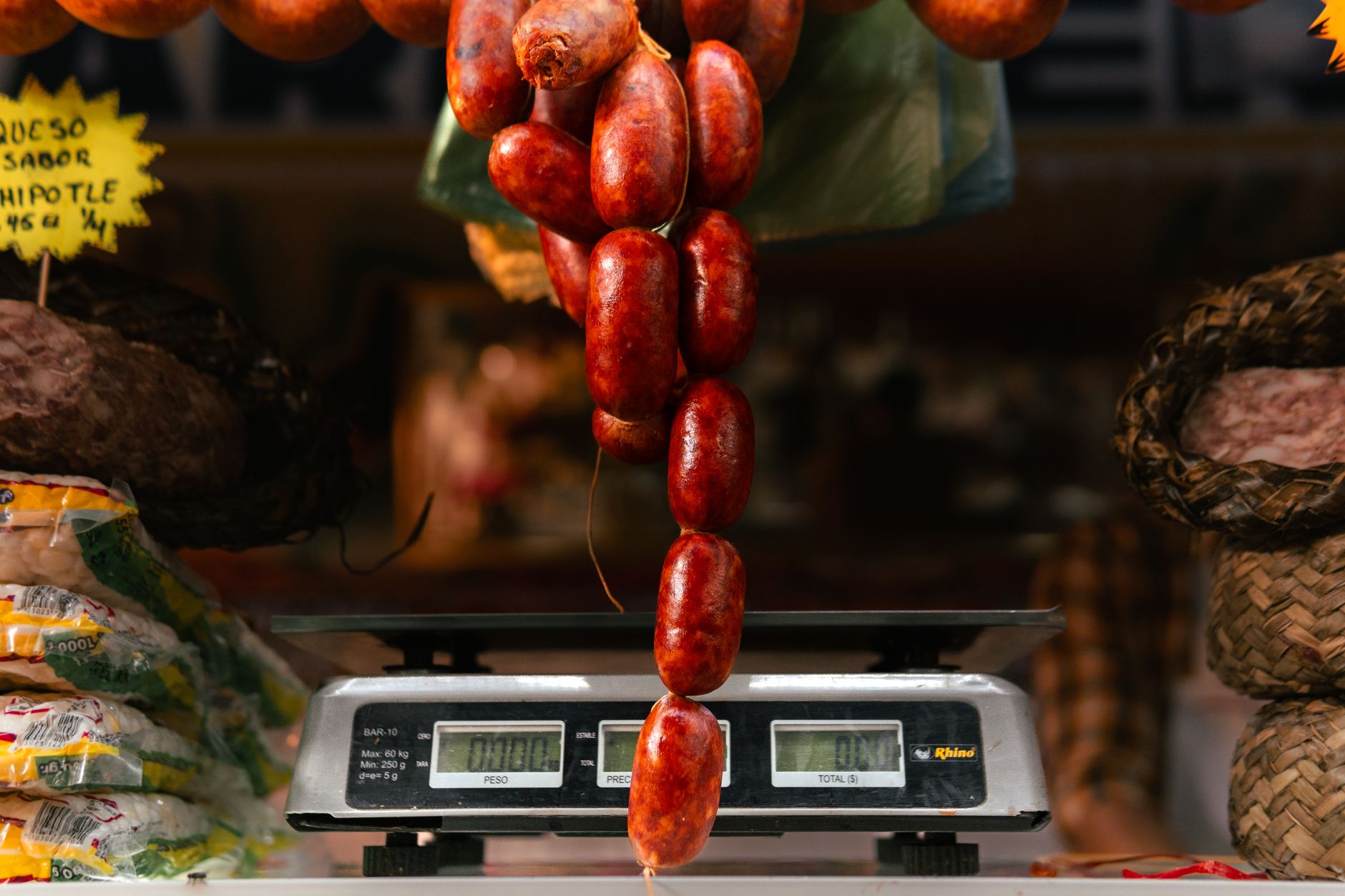
Hanging weight is an important concept in the world of meat production and butchery, often referred to in discussions about buying and cooking meat. It can impact not only the cost of meat but also the flavor and quality of the final product. Understanding hanging weight helps consumers make more informed choices when purchasing meat and can influence meal planning and preparation.
This article will explore what hanging weight is, how it relates to butchering, and its significance in culinary practices. From its definition to implications for home cooks and chefs alike, we aim to provide a comprehensive understanding of hanging weight.
What Is Hanging Weight?
Hanging weight refers to the weight of a carcass after it has been slaughtered and before it has been processed into cuts of meat. This measurement typically includes the weight of the animal with the skin, head, internal organs, and subcutaneous fat. Hanging weight is a crucial factor in determining the yield of meat a buyer can expect since it directly correlates to the amount of boneless, trimmed meat that will ultimately be delivered.
The Importance of Hanging Weight
Understanding hanging weight is beneficial for several reasons, especially for consumers purchasing meat wholesale, for a restaurant, or for home cooking. Here are some key points:
- Cost Assessment: Meat is often sold based on hanging weight, allowing buyers to understand the total cost they will incur for a particular animal.
- Yield Calculation: Knowing the hanging weight helps predict the total yield of sellable meat, which is vital for both budgeting and inventory management.
- Quality Consideration: Animals with a higher hanging weight typically indicate better muscle-to-fat ratios, which can affect flavor and tenderness in the final cuts of meat.
How Hanging Weight Is Calculated
The hanging weight is primarily calculated before the butchering process begins. After an animal is slaughtered, the carcass is hung in a temperature-controlled environment to allow for proper aging. During this process, moisture loss occurs, which can impact the weight of the meat once it is processed into retail cuts.
Factors Affecting Hanging Weight
- Species: Different species (cattle, sheep, pigs) have diverse hanging weights due to their size and body composition.
- Animal Health: Well-nourished and healthy animals tend to have a higher hanging weight, as they have more muscle mass and fat.
- Breeding: Breed characteristics play a significant role; some breeds are known for producing heavier carcasses with better yields.
- Age and Condition: Older animals may have more developed musculature and fat compared to younger ones, affecting hanging weight.
Understanding Yield: From Hanging Weight to Retail Cuts
After obtaining the hanging weight, it is essential to understand how much of that weight translates into usable cuts of meat. This is often expressed as a yield percentage. For instance, if a hanging weight is 600 pounds and the resulting boneless cuts of meat yield 375 pounds, the yield percentage is calculated as follows:
Yield Percentage = (Yielded Cuts Weight / Hanging Weight) x 100
In this case:
Yield Percentage = (375 / 600) x 100 = 62.5%
This yield percentage helps cooks and buyers appreciate the cost-effectiveness of their purchases and manage their expectations regarding the amount of actual meat.
Culinary Uses of Meat: Choosing Cuts Based on Hanging Weight
The way meat is processed from its hanging weight significantly influences its culinary applications. Different cuts offer various flavors, textures, and cooking methods. Below is a guide to some popular cuts categorized by animal and linked to hanging weight considerations:
Cattle
- Brisket: This cut, which comes from the front chest, is known for rich flavor and tenderness, especially when cooked low and slow.
- Ribeye: A tender and flavorful cut that benefits from higher fat content. Preferred for grilling and pan-searing.
- Sirloin: A leaner cut that is versatile for grilling, stir-frying, or roasting.
Pigs
- Shoulder: Known for its rich flavors and ideal for slow cooking or braising.
- Belly: Famous for its high-fat content, making it perfect for dishes like bacon and pork belly confit.
- Loin: A lean cut that is great for roasting and can be used in stir-fries.
Sheep
- Lamb Shank: Flavorful and perfect for braising, lamb shanks become tender when cooked slowly.
- Loin Chops: Quick-cooking and tender cuts suitable for grilling.
- Leg: Ideal for roasting, the leg of lamb is often featured in celebratory meals.
Flavor and Texture Considerations
The quality of meat derived from hanging weight can heavily influence the overall dining experience. Here’s a quick look into how hanging weight and subsequent aging affect flavor and texture:
- Flavor Development: Aging the carcass allows natural enzymes to break down muscle fibers, resulting in a richer flavor profile.
- Tenderness: Higher hanging weight often correlates with more marbling, which contributes to tenderness during cooking.
The Aging Process
After the hanging weight is established, meat is typically aged for a specific duration. Aging can be categorized into two types:
- Dry Aging: This involves hanging the meat in a controlled environment, allowing it to lose moisture and concentrate its flavors. This process typically lasts from 14 to 60 days, significantly enhancing the meat’s flavor and tenderness.
- Wet Aging: This method involves vacuum-sealing the meat and allowing it to age in its juices. It usually lasts fewer days compared to dry aging but is a more common practice in the industry.
Buying Meat: Considerations Related to Hanging Weight
When purchasing meat, whether from a butcher or supermarket, it is essential to consider the hanging weight. Here are practical tips for buyers:
- Inquire About Source: Understand where the meat comes from, as local farms often prioritize quality over mass production.
- Ask About Aging: Determine if the meat has been dry-aged or wet-aged, as this can influence your cooking approach.
- Check for Marbling: Look for intramuscular fat within the meat, as this enhances flavor and tenderness.
Common Mistakes and Troubleshooting When Handling Meat
Handling meat improperly can lead to less desirable results, both in flavor and safety. Here are some common mistakes:
- Ignoring Storage Guidelines: Always store meat at the proper temperatures to prevent spoilage. Refrigerate or freeze promptly.
- Overcooking: Different cuts require varying cooking methods and times. Be aware of the cut type and adjust accordingly.
- Improper Seasoning: Meats often benefit from adequate seasoning. Consider rubs and marinades to enhance flavor.
Storage and Reheating Guidance
To maintain the quality of hanging weight-derived meat, proper storage is crucial. Here are some tips:
- Freezing: If not consumed within a few days, consider freezing meat for long-term storage. Wrap it tightly to prevent freezer burn.
- Reheating: Thaw meat properly in the refrigerator overnight and reheat it slowly using methods such as oven baking or stovetop cooking to retain moisture.
Summary
Understanding hanging weight is vital for anyone involved in the meat purchasing process, from home cooks to professional chefs. Acknowledging how hanging weight affects yield and quality can lead to better cooking experiences and improve meal planning. As you shop for meat, consider factors like age, breed, and stocking practices that contribute to optimal flavor and texture.
Next time you plan a meal, remember the influence of hanging weight on the cuts you choose. Explore how different parts of the animal can enrich your culinary repertoire and elevate your cooking adventures.
For further reading, check out our articles on what is a good substitute for rosemary and what is a flat iron steak to expand your knowledge on specific ingredients and cuts!