
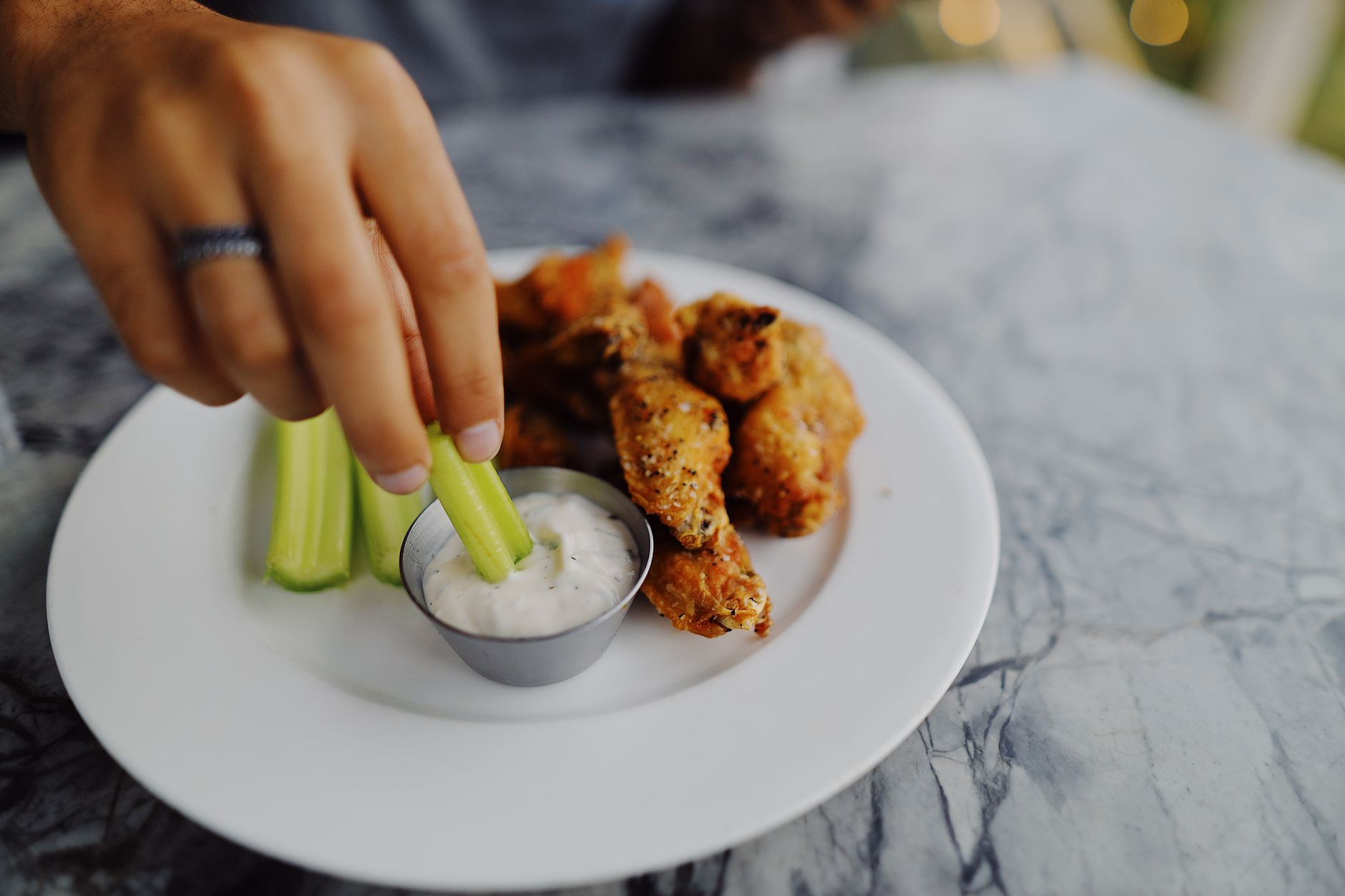
Chicken wings are a popular snack and meal option enjoyed by many, particularly during gatherings, sports events, or simply as a comforting meal. They are known for their distinctive flavor, crispy skin, and juicy meat, making them a favorite choice for those who love finger foods.
As with any meat, understanding their nutritional content, including protein levels, helps consumers make informed dietary choices. In this article, we will dive into how much protein is found in one chicken wing, along with additional insights into their nutritional benefits, preparation methods, and meal-planning ideas.
How Much Protein in 1 Chicken Wing?
A typical chicken wing contains approximately 6 to 8 grams of protein, depending on its size and whether it has skin. Protein levels may vary slightly based on preparation methods as well.
Nutritional Breakdown of Chicken Wings
Beyond just protein content, chicken wings provide a range of nutrients that contribute to a balanced diet. Here’s a closer look at the nutritional profile of a standard chicken wing (without sauce or additional toppings):
- Calories: 43-50 calories per wing (varies by cooking method and size)
- Protein: 6-8 grams
- Fat: 3-4 grams (of which saturated fat is around 1 gram)
- Carbohydrates: 0 grams
- Sodium: 70-90 milligrams
- Cholesterol: 30-40 milligrams
It is important to note that the nutritional content will change depending on cooking methods. For instance, fried wings have higher fat and calorie content compared to baked or grilled variants.
Factors Affecting Protein Content
1. Size of the Wing
The protein content in chicken wings can fluctuate based on their size. Larger wings naturally have more meat, thereby containing more protein. On average, a standard wing weighs about 30 grams, yielding approximately 6 to 8 grams of protein.
2. Skin vs. Skinless
Chicken wings are commonly served with their skin on, which adds fat and calories. If you opt for skinless wings, the protein content remains similar, but you’ll reduce the total fat and calorie intake. Skinless wings often provide a leaner option for those monitoring their fat consumption.
3. Cooking Method
Different cooking methods impact not only the calorie count but also the fat content:
- Frying: Increases fat content significantly due to oil absorption.
- Baking: Recommended for a healthier option: retains protein while reducing fat.
- Grilling: Also a healthy choice that can enhance flavor without excessive calories.
- Slow-cooking: Keeps wings moist but generally does not change protein content.
Health Benefits of Chicken Wings
Incorporating chicken wings into your diet can provide several health benefits, particularly when prepared in healthy ways:
- Protein Source: Helps build and repair tissues, making it an integral part of muscle health.
- Nutrients: Chicken wings contain B vitamins (like niacin and B12) that are essential for energy production and brain health.
- Omega-6 Fatty Acids: Naturally found in chicken skin, these can improve heart health in moderation.
Meal Planning with Chicken Wings
Understanding the protein content of chicken wings allows for effective meal planning, especially for those focused on protein intake. Here is how to incorporate them into balanced meals:
1. Portion Control
When planning meals, consider the number of wings per serving. A general guideline is about 4-6 wings per person, which provides an adequate protein dose while still allowing space for sides and other proteins throughout the day.
2. Balanced Meal Ideas
Pair chicken wings with nutritious sides to complete your meal:
- Vegetable Sides: Carrot and celery sticks with a yogurt-based dip to provide fiber and vitamins.
- Whole Grains: Serve with brown rice or quinoa to add healthy carbs.
- Salads: A fresh garden salad can complement the wings beautifully while adding vital nutrients.
3. Snack Versus Main Course
Chicken wings can be served as an appetizer during parties or as a main course. Utilize the protein content to help fuel up during pre-workout meals or as a recovery option post-exercise.
Popular Cooking Techniques for Chicken Wings
1. Baking Chicken Wings
Baking is one of the healthier cooking methods that yield flavorful and crispy wings without excessive oil. Here is a simple guide to baking chicken wings:
- Preheat Oven: 400°F (200°C).
- Preparation: Pat wings dry with paper towels and season with salt, pepper, and any preferred spices.
- Baking: Spread wings in a single layer on a baking sheet lined with parchment paper.
- Cooking Time: Bake for about 40-45 minutes, flipping halfway through until they are golden and crispy.
2. Air Frying Chicken Wings
For those who enjoy a quicker option with similar results to frying, air frying is a game changer. Here’s how you can proceed:
- Preparation: Season wings and place them in the air fryer basket without overcrowding.
- Cooking Temperature: Set air fryer to 370°F (190°C).
- Cooking Time: Cook for 25-30 minutes, shaking the basket halfway through for even crispiness.
3. Grilling Chicken Wings
Grilling adds a smoky flavor that is hard to beat. Here’s a quick overview:
- Preparation: Marinade wings or simply season with salt, pepper, and herbs.
- Grilling: Preheat the grill to medium-high and place wings on the grill grate.
- Cooking Time: Grill for about 20-25 minutes, flipping often until the internal temperature reaches 165°F (75°C).
Common Mistakes When Cooking Chicken Wings
Even with simple methods, it’s easy to make mistakes. Here are some common pitfalls to avoid:
- Overcrowding the Pan: This can lead to uneven cooking and soggy skin. Make sure there’s enough space.
- Not Drying Wings: Patting wings dry helps achieve that crispy texture. Excess moisture can lead to steaming instead of roasting or frying.
- Skipping the Thermometer: Ensure wings are safe to eat by checking that they have reached the appropriate internal temperature of 165°F (75°C).
- Using Excessive Sauces: While sauces can enhance flavor, using too much can add unnecessary calories and sugars. Dip or lightly coat instead.
Storing and Reheating Chicken Wings
1. Storage
Proper storage extends the life of your chicken wings significantly:
- Refrigeration: Store cooked wings in an airtight container and consume them within 3-4 days.
- Freezing: If storing long-term, freeze cooked wings in resealable freezer bags. They can last up to 4 months in the freezer.
2. Reheating
To maintain the crispy texture when reheating, consider the following methods:
- Oven: Preheat to 350°F (175°C) and reheat wings for about 10-15 minutes.
- Air Fryer: Reheat at 350°F for about 5-8 minutes.
- Microwave: While convenient, it may render skin soggy; cover with a paper towel to minimize moisture exposure.
Final Thoughts
Understanding how much protein is in chicken wings can help you become more mindful in your meal planning and preparation. Whether enjoyed on game day with friends or as a simple weeknight meal, chicken wings can be a nutritious protein source when prepared thoughtfully.
Now that you’re informed about chicken wings and their nutritional value, consider exploring our other articles for recipes and cooking tips. You can also check out how to cook oven-baked wings at home or learn air frying techniques with our detailed guides.
Explore more about air frying chicken wings and try making baked chicken wings for a healthier option. Happy cooking!