
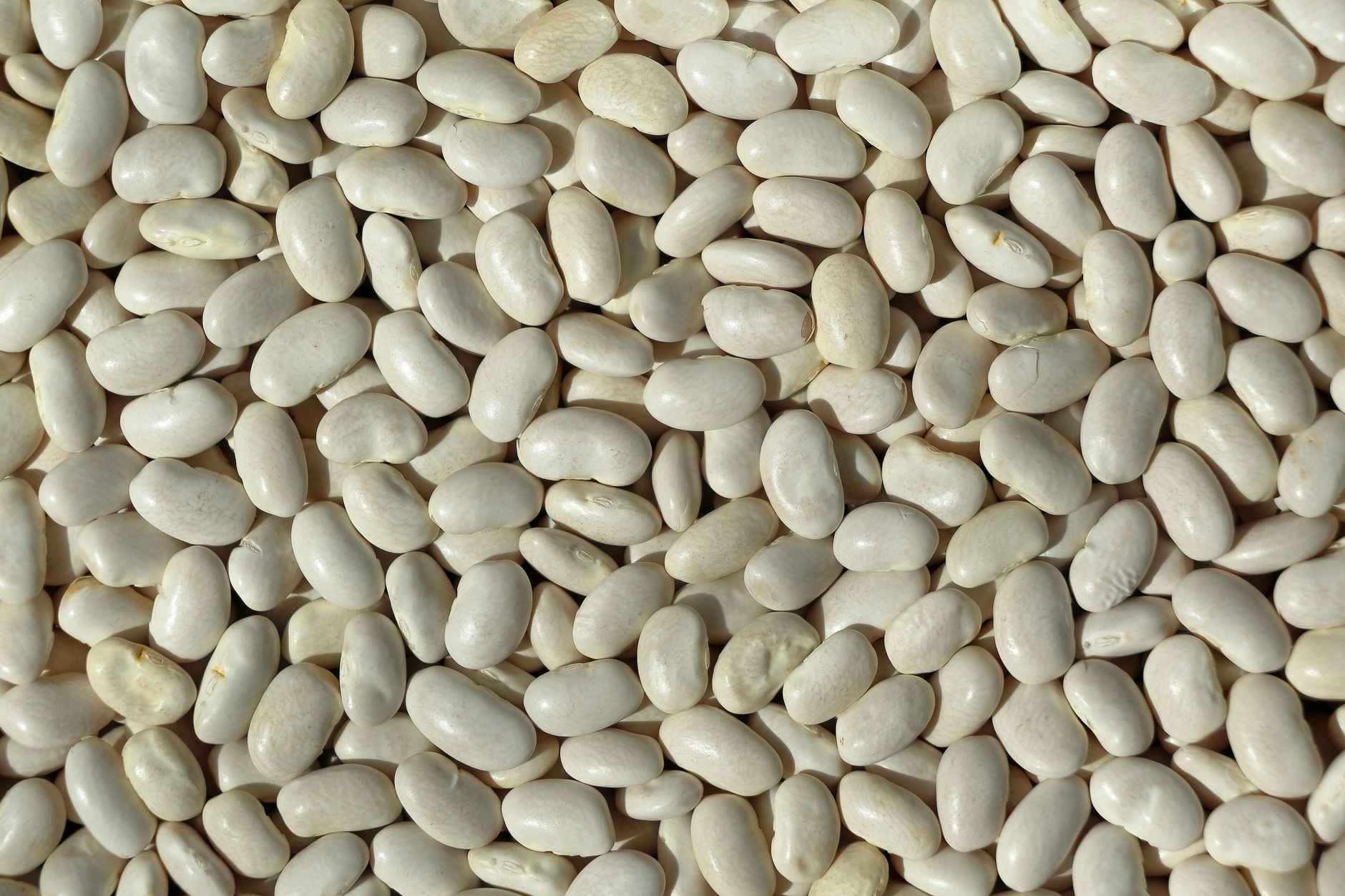
Navy beans are small, oval-shaped legumes that are known for their mild flavor and creamy texture. They are commonly used in various dishes, particularly in soups and baked recipes. In many culinary contexts, navy beans are also referred to as “haricot beans” or “white beans.” Understanding their versatility and how to incorporate them into your cooking can elevate your meals.
In this article, we will explore the different names for navy beans, their culinary uses, nutritional benefits, and practical tips for cooking, storing, and meal-planning with this nutritious ingredient.
What Is Another Name for Navy Beans?
Another name for navy beans is “haricot beans.” They belong to the Phaseolus vulgaris species, which includes other varieties like pinto and black beans. While they may have different names depending on the region, navy beans are primarily recognized for their small size, soft texture, and mild taste, which make them a popular option for various dishes.
Understanding Navy Beans: Characteristics and Nutritional Benefits
Navy beans are distinguished by their small, oval shapes and white color. They are often used in dishes where their delicate flavor and creamy consistency can shine. Here are some key characteristics:
- Taste: Mild, slightly sweet flavor that absorbs spices and seasonings well.
- Texture: Soft and creamy when cooked, making them ideal for soups and stews.
- Nutritional Value: High in protein, fiber, folate, and minerals such as iron and magnesium. They are also low in fat, making them a healthy addition to various diets.
Culinary Uses of Navy Beans
Navy beans are incredibly versatile and can be used in a variety of dishes. Here are some common culinary uses:
1. Soups and Stews
Navy beans add heartiness to soups and stews. They are commonly found in dishes like New England baked beans and bean chili. Their creamy texture provides a thick base when mashed or left whole.
2. Salads
Adding cooked navy beans to salads enhances both nutrition and texture. They pair well with fresh vegetables, grains, and dressings. A classic three-bean salad with navy beans, kidney beans, and green beans is a popular summer dish.
3. Baked Dishes
Baked navy beans are a traditional dish, especially in American cuisine. They are often prepared with molasses, brown sugar, and often a touch of mustard for a flavorful profile. These beans can be served as a side dish or a main course.
4. Dips and Spreads
Pureeing navy beans can create a creamy, nutritious dip. They can be blended with garlic, olive oil, and herbs for a simple white bean dip that pairs well with crackers and vegetables.
5. Casseroles
Navy beans add substance to casseroles and baked dishes. Their ability to absorb flavors makes them ideal for layering with other ingredients like meats and vegetables.
Cooking with Navy Beans
Understanding how to prepare navy beans is essential for maximizing their flavor and texture. Here’s a step-by-step guide on how to cook navy beans:
Preparation Method
There are two main methods for cooking dried navy beans: soaking and boiling or cooking them straight in water. Here is how to do each:
1. Soaking Method
- Rinse the Beans: Rinse one cup of dried navy beans under cold water to remove any debris or impurities.
- Soak: Place the beans in a large bowl and cover them with water. Let them soak for at least 6-8 hours or overnight. This step softens the beans and reduces cooking time.
- Drain and Rinse: After soaking, drain the beans and rinse them again under cold water.
- Cook: Place the soaked beans in a large pot and cover with fresh water. Bring to a boil, then reduce the heat to simmer. Cook for about 60-90 minutes until they are tender.
2. No-Soak Method
- Rinse the Beans: Rinse one cup of dried navy beans under cold water.
- Cook: Place the rinsed beans in a pot and cover with fresh water. Bring to a boil, then lower the heat to a gentle simmer. Cook for about 90-120 minutes, checking for tenderness periodically.
- Drain and Use: Once the beans are tender, drain the water and use them as desired.
Flavoring Navy Beans
While navy beans have a gentle flavor on their own, they can be elevated with the right seasonings. Consider using:
- Garlic and onion for aromatics.
- Herbs like rosemary or thyme for depth.
- Spices such as cumin, paprika, or chili powder to add warmth.
- A splash of vinegar or lemon juice to brighten the flavor.
Tips for Cooking Navy Beans
Here are some helpful tips to ensure the best results when cooking navy beans:
- Don’t Add Salt Too Early: Adding salt during the cooking process can make the beans tough. Wait until they are fully cooked before seasoning.
- Check for Doneness: The cooking time can vary based on the age and size of the beans. Taste a few to ensure they are tender.
- Add Flavoring Later: To keep the flavor strong, consider adding herbs and spices during the last 20-30 minutes of cooking.
Storage and Freezing of Navy Beans
Proper storage of cooked and dried navy beans enhances their longevity and flavor. Here’s how:
Storing Dried Navy Beans
- Keep dried navy beans in an airtight container in a cool, dry place. They can last for up to a year.
- Check beans for signs of moisture or pests before cooking.
Storing Cooked Navy Beans
- Store cooked navy beans in an airtight container in the refrigerator for up to five days.
- For long-term storage, cooked navy beans can be frozen. Place them in freezer bags or containers, ensuring they are sealed properly to avoid freezer burn. They can last for up to six months in the freezer.
Meal Planning with Navy Beans
Navy beans can be an excellent staple for meal planning due to their versatile nature. Here are some practical tips:
Batch Cooking
Cook a large batch of navy beans at the beginning of the week. They can be used in various meals, reducing food prep time. Consider incorporating them into:
- Soups and stews
- Salads
- Wraps and sandwiches
Ingredient Overlap
Utilizing overlapping ingredients can simplify your shopping list and meal prep.
- Chop a batch of onions and garlic for several dishes.
- Prepare a large batch of grain, like quinoa or brown rice, to serve alongside your navy bean creations.
Building Meals Around Navy Beans
Here are some meal ideas that center around navy beans:
- Breakfast: Navy bean and vegetable hash topped with a poached egg.
- Lunch: Navy bean salad with mixed greens, cherry tomatoes, and a vinaigrette.
- Dinner: Baked navy bean casserole paired with roasted vegetables.
Common Mistakes and Troubleshooting
Even experienced cooks can encounter issues when working with navy beans. Here are some common mistakes and tips for troubleshooting:
1. Beans Not Cooking Properly
If your beans are still hard after cooking, they may have been too old. Always check the packaging date and discard any that seem overly dried out.
2. Bean Skins Separating
Overcooking can cause the skins to become loose. To avoid this, regularly check for tenderness as the beans simmer.
3. Undersalted Flavor
If you find your beans lack flavor, try adding salt and spices after cooking. A splash of vinegar can also enhance flavor remarkably.
Pairing Navy Beans with Other Ingredients
Navy beans pair beautifully with various food items, enhancing their appeal. Consider these combinations:
1. Vegetables
Onions, garlic, carrots, and celery are classic companions. They add flavor and nutrition.
2. Proteins
Complement navy beans with proteins such as chicken, sausage, or plant-based proteins for a hearty meal.
3. Grains
Serving navy beans with grains like brown rice or quinoa creates a balanced dish.
Final Thoughts on Cooking with Navy Beans
Navy beans are a nutritious and versatile addition to any kitchen. Whether you are making soups, salads, or casseroles, they provide a creamy texture and subtle flavor that can enhance any dish. Understanding their culinary uses and cooking methods will allow you to incorporate navy beans effectively into your diet.
Explore related recipes, cooking tips, or food guides to enhance your cooking repertoire. Check out delicious ways to use Great Northern beans in a recipe or try out a Southern Pinto Beans recipe for some variety.