
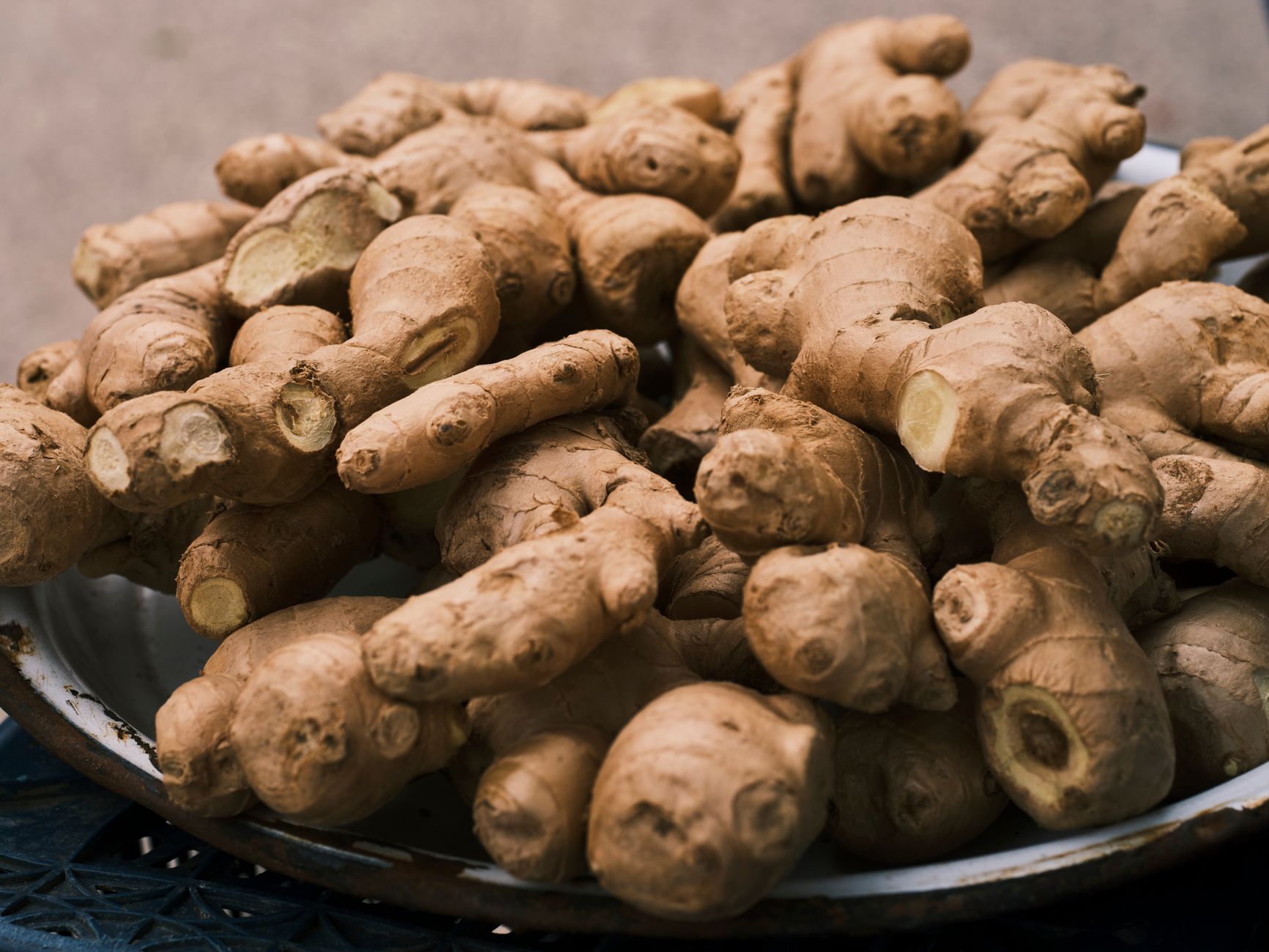
Ginger is a versatile spice celebrated for its distinctive flavor and numerous health benefits. From enhancing culinary dishes to serving as a natural remedy, ginger has a special place in both kitchens and medicine cabinets. Many people wonder, what is ginger good for? This article explores its nutritional profile, various uses, and how you can incorporate it into your daily routine.
Originating from Southeast Asia, ginger has been an integral part of culinary traditions and traditional medicine for centuries. Whether you’re looking to add a zesty flavor to your meals or seeking potential health benefits, understanding what ginger can do is essential for every home cook.
What Is Ginger Good for?
Ginger is praised for its ability to alleviate nausea, reduce inflammation, and support digestion, among other benefits. Its unique compounds, such as gingerol, contribute to its wide array of uses—from culinary applications to natural health remedies. Let’s delve deeper into what makes this spice so valuable.
Nutritional Profile of Ginger
Ginger is low in calories yet rich in essential nutrients and bioactive compounds. A typical 100-gram serving of raw ginger offers:
- Calories: 80
- Protein: 1.8 g
- Fat: 0.8 g
- Carbohydrates: 17.8 g
- Fiber: 2 g
- Vitamin C: 5 mg (approximately 7% of the daily value)
- Magnesium: 43 mg (approximately 11% of the daily value)
- Potassium: 415 mg (approximately 12% of the daily value)
These nutrients, along with several antioxidants, contribute to ginger’s status as a superfood. The main bioactive compound, gingerol, is responsible for many of its medicinal properties.
Health Benefits of Ginger
Ginger boasts an impressive list of health benefits. Here’s how it can positively impact your health:
1. Digestive Aid
Ginger is renowned for its ability to alleviate digestive issues such as bloating, gas, and indigestion. It can stimulate the production of digestive enzymes, thus promoting efficient digestion. Consuming ginger tea or ginger-infused dishes may relieve discomfort after meals.
2. Anti-Nausea Effects
One of ginger’s most well-known uses is its effectiveness in reducing nausea. It’s particularly beneficial for morning sickness during pregnancy, motion sickness, and chemotherapy-induced nausea. Ginger tea or candies can help settle the stomach.
3. Anti-Inflammatory Properties
Ginger contains potent anti-inflammatory compounds that may help reduce inflammation and pain in chronic conditions such as arthritis. Regular consumption of ginger may significantly alleviate symptoms associated with these conditions.
4. Immune System Support
As a rich source of antioxidants, ginger can enhance immune response and may help combat colds and infections. Its warming properties make it an excellent addition to winter beverages, especially when paired with lemon and honey.
5. Blood Sugar Control
Emerging evidence suggests that ginger may help improve insulin sensitivity and lower blood sugar levels. This may be particularly useful for individuals with type 2 diabetes. However, more research is needed to establish these effects conclusively.
6. Heart Health
Some studies suggest that ginger may lower cholesterol levels and improve cardiovascular health. Its ability to enhance blood circulation and reduce blood pressure could contribute to overall heart health. Regularly incorporating ginger into your diet may support cardiovascular wellness.
Cooking with Ginger
Ginger’s unique flavor profile makes it a fabulous addition to a variety of dishes. Below are some ways to incorporate ginger into your cooking:
1. Fresh Ginger
Fresh ginger root is commonly used in stir-fries, marinades, and dressings. To prepare fresh ginger:
- Peel the skin off using a knife or vegetable peeler.
- Grate or slice it thinly, depending on your dish.
2. Ginger Powder
Dried ground ginger is ideal for baking, especially in recipes for cookies, cakes, and spice blends. Use ginger powder in moderation, as it has a more concentrated flavor compared to fresh ginger.
3. Ginger Juice
Ginger juice can be made by blending fresh ginger with a small amount of water and straining it. This versatile juice can be added to smoothies, marinades, or salad dressings.
4. Pickled Ginger
Commonly served with sushi, pickled ginger offers a spicy-sour contrast to various dishes. It can easily be made at home with fresh ginger, sugar, and vinegar.
5. Ginger Tea
Ginger tea is a comforting beverage that can be enjoyed throughout the day. To make ginger tea:
- Peel and thinly slice a piece of fresh ginger (about 1-2 inches).
- Boil 4 cups of water in a pot.
- Add the ginger slices to the boiling water.
- Simmer for 10-15 minutes, then strain the liquid into a cup.
- Add honey or lemon to taste, if desired.
Ingredient Substitutions for Ginger
If you find yourself out of ginger, there are suitable substitutes you can use:
- Ground Ginger: Use 1/4 teaspoon of ground ginger for every 1 teaspoon of fresh ginger.
- Galangal: This South Asian root has a similar flavor profile and can be used interchangeably with ginger in many recipes.
- Fresh Galangal: Use the same amount as fresh ginger for a slightly different taste.
- Cardamom: While the flavor differs, cardamom can be a decent substitute, especially in baking.
Common Mistakes When Using Ginger
Here are some pitfalls to avoid when cooking with ginger:
- Overcooking: Fresh ginger can lose its flavor and zing when cooked at high temperatures for too long. Add it towards the end of the cooking process.
- Using Old Ginger: Ensure to use fresh root ginger; older ginger may lack flavor and potency. Look for firm roots with smooth skin.
- Not Relying on the Aroma: Fresh ginger should have a strong aromatic scent. A lack of aroma can indicate that the ginger is no longer fresh.
Storing Ginger
Proper storage of ginger is crucial for maintaining its freshness and flavor. Here’s how to store ginger effectively:
1. Fresh Ginger
Store fresh ginger in the refrigerator, unpeeled, wrapped in a paper towel and placed in a plastic bag. It can last for several weeks.
2. Dried Ginger
Dried ginger should be kept in an airtight container in a cool, dark place. Properly stored, it can last for up to a year.
3. Ginger Juice and Paste
Ginger juice or ginger paste can be stored in the refrigerator for up to a week. For longer storage, consider freezing it in ice cube trays for easy use.
Conclusion
Ginger is a remarkably versatile ingredient that can elevate your cooking while offering a range of health benefits. Its unique flavor adds depth to dishes, and its potential healing properties make it an excellent choice for those looking to enhance their overall wellness.
Incorporating ginger into your diet is easy. Whether you enjoy it in a warm tea, as part of a stir-fry, or in a sweet dessert, the possibilities are endless. Try experimenting with this fragrant root today and discover what ginger can do for you!
For more information about the uses and benefits of ginger, or to find a delightful ginger syrup recipe, explore the following links: What is Ginger? and Ginger Syrup Recipe.