
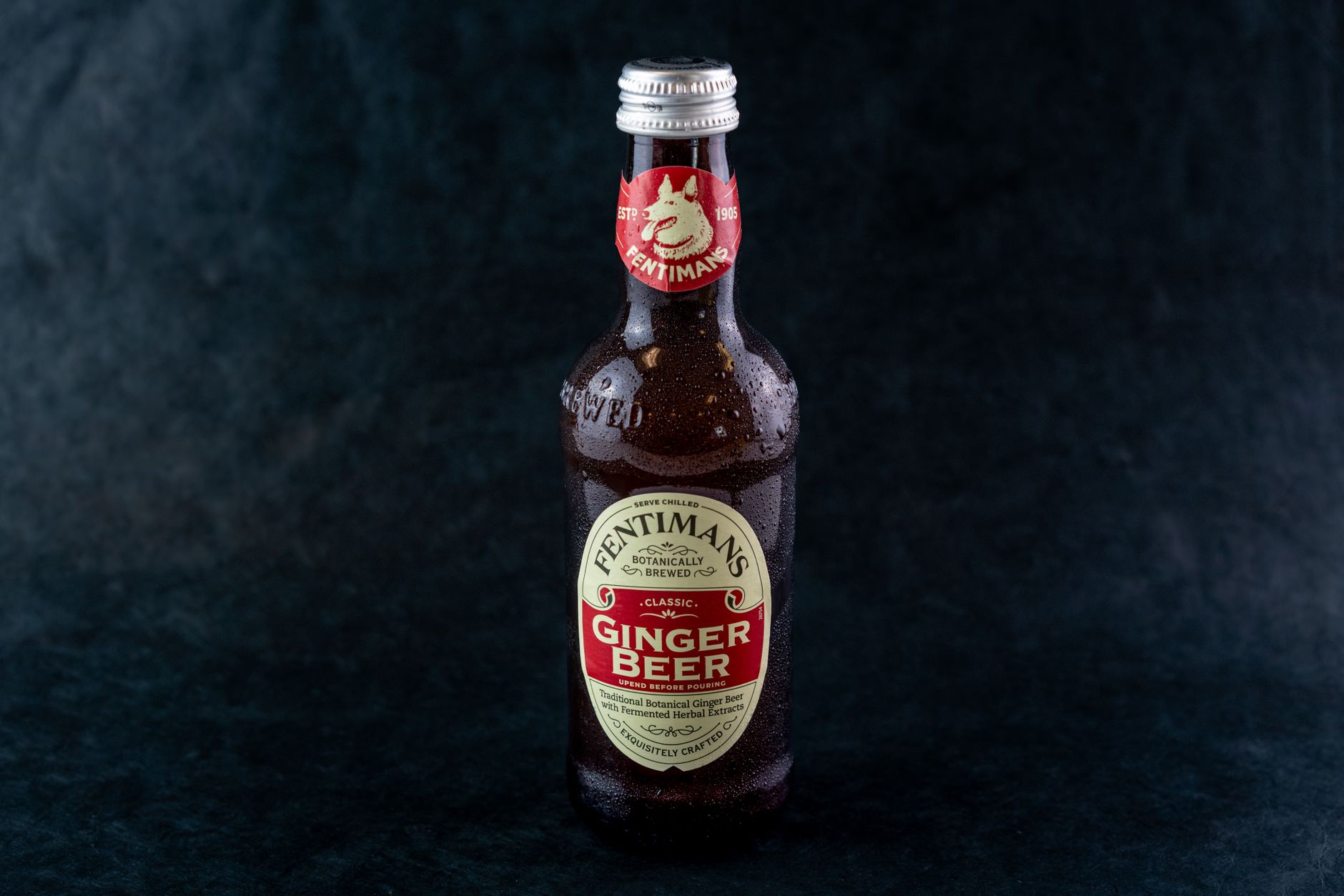
Ginger ale is a popular carbonated beverage known for its distinctive spicy-sweet flavor and refreshing qualities. Often enjoyed on its own or as a mixer in cocktails, its appealing taste and versatility have made it a staple in many households around the world.
This article explores the essential components of ginger ale, its unique flavor profile, and how to serve this beloved drink to enhance your dining experience.
What Is Ginger Ale?
Ginger ale is a non-alcoholic sparkling beverage made primarily from carbonated water, ginger, sweeteners, and flavorings. It has a zesty taste primarily derived from ginger root, coupled with sweetness, making it a refreshing option for many occasions.
There are numerous variations of ginger ale, which can range from the traditional recipes that use real ginger to modern commercial brands that may include artificial flavors and sweeteners. The drink is often classified into two categories: “dry” ginger ale and “golden” ginger ale, each offering a different tasting experience.
Ingredients in Ginger Ale
The basic ingredients in ginger ale typically include:
- Carbonated Water: The primary component that gives ginger ale its fizz.
- Ginger: The key flavoring ingredient derived from the ginger root, offering its signature spice.
- Sweeteners: Sugar, high fructose corn syrup, or natural sweeteners like honey or agave syrup, depending on the brand and recipe.
- Citric Acid: Often added for tanginess and preservation.
- Flavorings: Additional spices or botanical extracts that can enhance the overall taste, including lemon or lime extracts.
- Preservatives: Some commercial varieties may contain preservatives to extend shelf life and maintain carbonation.
Flavor Profile of Ginger Ale
The flavor of ginger ale is primarily influenced by the ginger used in its production. Ginger lends a spicy, slightly pungent taste that can be refreshing or intense, depending on the amount used. Additionally, the sweetness balances the ginger’s heat, resulting in a pleasantly effervescent drink.
Generally, the two styles of ginger ale yield differing flavor profiles:
- Dry Ginger Ale: This version is characterized by a lighter taste with less sweetness and a more pronounced ginger flavor. It’s often preferred as a mixer in cocktails.
- Golden Ginger Ale: This type features a richer, sweeter flavor with a deeper color, often providing a fuller ginger experience while also being more syrupy in texture.
How to Serve Ginger Ale
Serving ginger ale can enhance your enjoyment of various meals and occasions. Here are some practical tips on how to serve ginger ale effectively:
Chilled and Straight
The simplest way to enjoy ginger ale is chilled and straight from the can or bottle. Serve it over ice in a tall glass, allowing the carbonation to maximize its refreshing qualities.
Cocktail Mixer
Ginger ale is a versatile mixer in various cocktails. Its slight spiciness pairs well with different spirits. Here are some cocktails using ginger ale:
- Whiskey Ginger: A blend of whiskey and ginger ale, served over ice.
- Moscow Mule: Although traditionally made with ginger beer, ginger ale can also be used, combined with vodka and lime juice in a copper mug.
- Pimm’s Cup: A refreshing summer drink made with Pimm’s No. 1 and ginger ale, garnished with cucumber and berries.
With Meals
Ginger ale can complement various dishes, especially those with bold flavors. It’s particularly effective when paired with:
- Spicy Asian dishes: Ginger ale can help alleviate the heat.
- Fried foods: Its crispness balances the richness of fried foods.
- Barbecued meats: The spicy and sweet flavors pair well with smoky dishes.
Ginger Ale Cocktails and Mocktails
For those preferring a non-alcoholic option, there are many delicious mocktail recipes featuring ginger ale. Consider the following:
- Ginger Ale Spritz: Mix ginger ale with fresh citrus juices, soda water, and fresh herbs like mint.
- Mango Ginger Refresher: Blend fresh mango puree with ginger ale and a squeeze of lime juice for a tropical drink.
Making Your Own Ginger Ale
Crafting your own ginger ale at home can yield a fresh and personalized version of this delightful beverage. Here’s a simple recipe to get started:
Homemade Ginger Ale Recipe
This easy recipe can be made in about 10 minutes, with a few hours of fermentation time. It serves approximately four people.
Ingredients:
- 2 cups water
- 1/4 cup fresh ginger, grated
- 1 cup sugar (or other sweeteners as desired)
- 1/4 cup fresh lemon juice
- 1/4 teaspoon active dry yeast
- 4 cups sparkling water
Essential Equipment:
- Medium saucepan
- Large mixing bowl
- Whisk
- Measuring cups
- Clean glass bottles with airtight lids
Method:
- In a saucepan, combine water and grated ginger. Bring to a boil, then remove from heat.
- Add sugar, stirring until fully dissolved. Allow to cool to room temperature.
- Once cooled, whisk in the lemon juice and yeast, mixing well.
- Cover the bowl with a clean cloth and let it sit at room temperature for 1-2 hours, allowing it to ferment. You should see bubbles forming.
- Once fermentation occurs, pour the mixture into glass bottles, filling them about 3/4 full, and add in the sparkling water. Leave some space at the top to avoid overflow.
- Seal the bottles tightly and refrigerate. Allow to chill for at least four hours or overnight for a stronger ginger flavor.
- Open carefully and enjoy your homemade ginger ale!
Storage and Tips
Unopened homemade ginger ale can be stored in the fridge for up to a week. Opened bottles should be consumed within a few days for the best flavor and fizz.
Be cautious when opening fermented beverages, as pressure may build up and cause fizzing or overflowing. Open slowly to avoid mess.
Common Mistakes with Ginger Ale
While trying to make or serve ginger ale, some common missteps can detract from the experience:
- Using too much sugar can overpower the ginger flavor. Start with less and adjust as per taste.
- Forgetting to let the mixture cool before adding yeast can kill the yeast and prevent fermentation.
- Not tasting the ginger ale before serving may not allow for adjustments in flavor.
Variations and Substitutions
If you’re looking to experiment with flavors or adapt your ginger ale for dietary preferences, here are some variations and substitutions to consider:
- Sweetener Alternatives: Honey, agave syrup, or stevia can be used instead of sugar for a different sweetness level.
- Add-Ins: Fresh herbs like mint or basil can provide a refreshing twist. Citrus peels or other fruit purees can also enhance the flavor.
- Spiciness Level: For a stronger ginger kick, increase the grated ginger amount in the recipe.
Historical Context and Popularity
Ginger ale has a rich history dating back to the 19th century. Initially popularized as a medicinal tonic for digestive ailments, it has evolved into a beloved beverage consumed across the globe. Its connection to celebrations, from holiday gatherings to summer barbecues, solidifies its place in American and international culinary culture.
Today, ginger ale remains a household favorite, with numerous brands and homemade recipes available to cater to diverse tastes and preferences.
Final Thoughts on Ginger Ale
Ginger ale is more than just a beverage; it’s an experience that offers both flavor and versatility. Be it mixed in cocktails, enjoyed straight, or crafted at home, ginger ale can elevate any occasion.
By understanding its ingredients, flavor profile, and serving suggestions, you can appreciate the nuances of ginger ale and incorporate it into your daily recipes. Whether mixing up a classic cocktail or enjoying a refreshing glass with your favorite dish, this fizzy drink has something for everyone.
For more insights on ingredients, explore what ginger has to offer in this guide, or try making your own ginger-based syrup with this recipe. Enjoy discovering the culinary joys associated with ginger and ginger ale!