
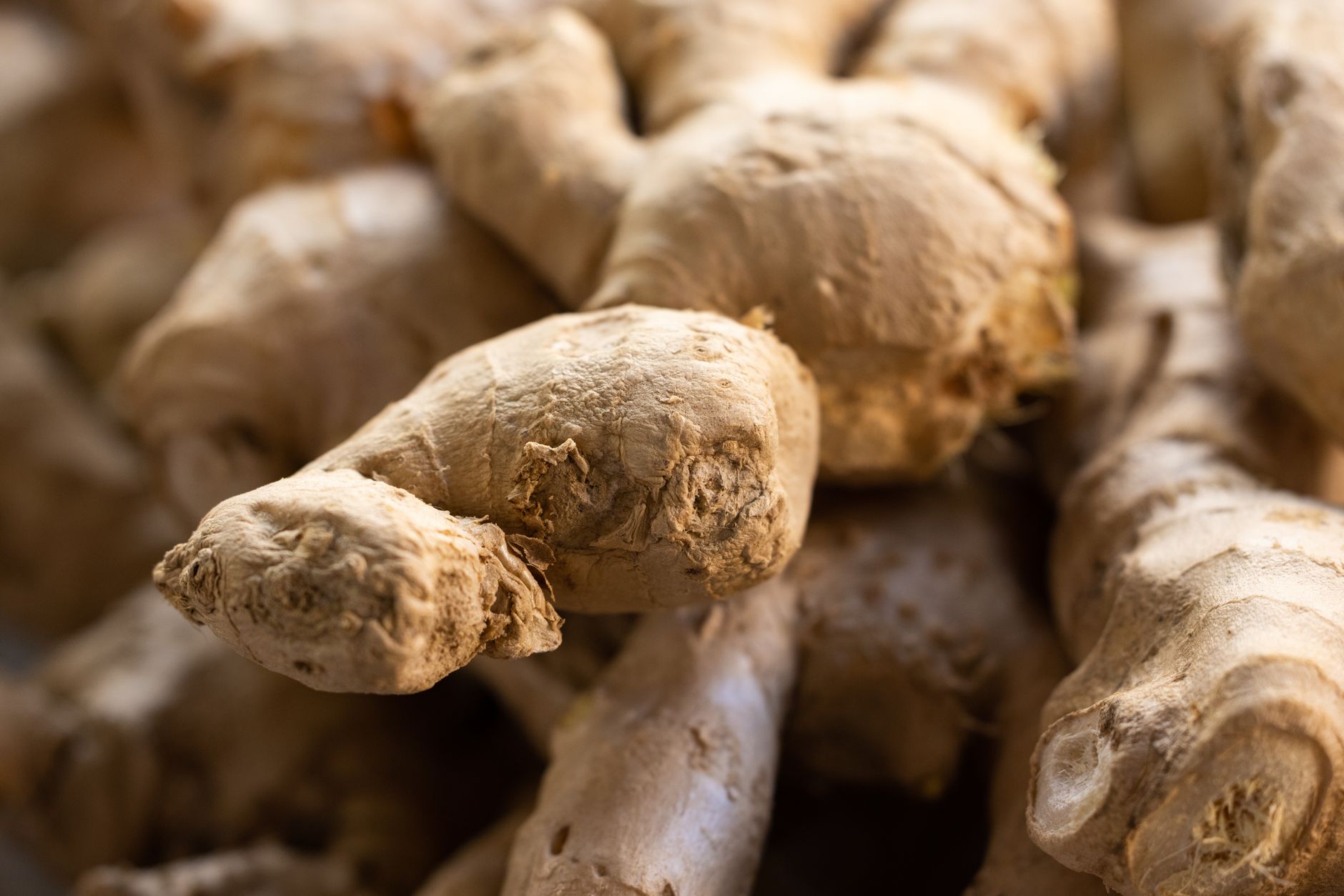
Ginger, with its spicy and fragrant characteristics, is a versatile ingredient that has been used in various cuisines and traditions worldwide. Fresh ginger root boasts an array of culinary benefits and potential health perks, making it a staple in many kitchens. Understanding what fresh ginger is good for can enhance your cooking, improve your diet, and even boost your overall well-being.
From flavoring dishes to serving as a remedy for common ailments, fresh ginger has much to offer. This article explores its nutritional values, culinary uses, health benefits, and how to incorporate it into your meals effectively.
What Is Fresh Ginger Good For?
Fresh ginger is good for flavoring cooking and beverages, enhancing digestive health, providing anti-inflammatory properties, and potentially aiding in the prevention of certain ailments. Its versatility ensures it can be used in a wide variety of dishes, drinks, and health practices.
Nutritional Profile of Fresh Ginger
Fresh ginger is a low-calorie root packed with vital nutrients and bioactive compounds that contribute to many of its health benefits.
Key Nutritional Components
- Calories: Approximately 80 calories per 100 grams
- Carbohydrates: About 18 g, primarily from starch and sugars
- Fiber: Consists of roughly 2 g
- Protein: Contains around 1.8 g
- Fat: Less than 1 g
- Vitamins: Rich in vitamin C, vitamin B6, and small amounts of other vitamins
- Minerals: Good source of magnesium, potassium, and copper
Bioactive Compounds
The fresh ginger root contains several bioactive compounds that contribute to its health-promoting properties:
- Gingerol: The primary bioactive compound responsible for its spice and many health benefits.
- Shogaol: Formed when ginger is dried or cooked, contributing to its anti-inflammatory effects.
- Zingerone: Another compound formed during cooking, offering antioxidant properties.
Health Benefits of Fresh Ginger
Fresh ginger offers a multitude of potential health benefits, making it a valuable addition to any diet.
Digestive Health
Ginger is well-known for its ability to alleviate digestive issues. It has been traditionally used to:
- Relieve nausea, particularly in pregnancy or motion sickness.
- Promote gastric emptying, which can help with indigestion.
- Reduce bloating and gas.
Anti-Inflammatory and Antioxidant Effects
The gingerol compound in fresh ginger has potent anti-inflammatory properties. Research suggests that it may help with:
- Reducing muscle soreness and pain, particularly after strenuous exercise.
- Lowering chronic inflammation related to conditions like arthritis.
- Combating oxidative stress, potentially lowering the risk of chronic diseases.
Immune System Support
Consuming fresh ginger may help support the immune system due to its antioxidant properties. It might assist in:
- Combating infections due to its antimicrobial properties.
- Managing cold symptoms and reducing their duration.
Blood Sugar Regulation
Some studies suggest that ginger may have a role in improving blood sugar levels and insulin sensitivity. This can be beneficial for those managing diabetes or at risk for the condition.
Potential Anti-Cancer Properties
Preliminary research has indicated that ginger may possess anti-cancer properties. These potential effects need more investigation, but they spotlight the root’s importance in a cancer-preventive diet.
Culinary Uses of Fresh Ginger
Fresh ginger’s distinct flavor profile amplifies the taste of various dishes and drinks. Here are some common ways to use fresh ginger in cooking:
Flavoring Dishes
Fresh ginger can be used in both sweet and savory dishes:
- Stir-fries: Adding chopped ginger to vegetable or meat stir-fries brings warmth and spice.
- Soups: It enhances the flavor of broths and soups, particularly in Asian cuisine like ramen or pho.
- Marinades: Used in marinades for meats and tofu, it tenderizes and infuses flavor.
- Baking: Fresh ginger can be added to baked goods such as gingerbread or muffins for a zesty kick.
Infusing Beverages
Fresh ginger is also popular in beverages:
- Tea: Ginger tea is a soothing drink, especially beneficial when feeling under the weather.
- Smoothies: Grated ginger lends a refreshing touch to healthful smoothies.
- Cocktails: Think ginger beer or ginger syrup in mixed drinks for added spice.
Preserving Ginger
Ginger can be preserved for various uses:
- Pickled Ginger: Commonly served with sushi, it’s easy to make and offers a sharp flavor profile.
- Ginger Syrup: Used in cocktails or as a sweetener, it adds complexity to drinks and desserts.
Using Fresh Ginger: Tips and Techniques
When incorporating fresh ginger into your cooking, consider the following techniques:
Preparation
- Peeling: Use a spoon to gently peel the ginger skin. It preserves more of the root than peeling with a knife.
- Chopping: For stronger flavor, finely chop; for less intensity, slice it thickly.
- Grating: Grated ginger releases more juice and flavor, great for dressings or marinades.
Portion Control
Start with one teaspoon of minced ginger in recipes and adjust according to your taste preferences. A little goes a long way!
Cooking Techniques
Incorporate ginger early in the cooking process for deeper flavor integration, especially in sautéing and simmering.
Storage and Preservation of Fresh Ginger
Proper storage of fresh ginger is essential to maintain its flavor and freshness. Here are some tips:
Storing Fresh Ginger
- Wrap the root in a paper towel and place it in a resealable plastic bag in the refrigerator for up to three weeks.
- For longer preservation, store it in the freezer. Peel and chop or grate ginger, then place it in an airtight container.
Canned or Jarred Ginger
If you have leftover ginger, consider using it in canned form. Pickling or preserving it can add unique flavors to your dishes.
Cooking with Fresh Ginger: Common Mistakes and Troubleshooting
Being aware of common mistakes helps in effectively using ginger in cooking.
Common Mistakes
- Using dried ginger instead of fresh, which is often less potent in flavor and health benefits.
- Failing to peel ginger, which can lead to a bitter taste.
- Overcooking fresh ginger, which can cause it to lose its unique flavor profile.
Troubleshooting Tips
If your dish has an overly strong ginger flavor, consider balancing it with:
- Sweetness: Add sugar or honey.
- Creaminess: Include coconut milk or yogurt.
- Acidity: Squeeze fresh lemon or lime juice to round out the flavors.
Substituting Fresh Ginger
While fresh ginger is often preferred, you can substitute it in various ways:
Common Substitutes
- Dried Ginger: Use 1/4 teaspoon of dried ginger for every 1 teaspoon of fresh ginger.
- Ground Ginger: Similar to dried, ground ginger can be a suitable substitute in baked goods.
- Galangal: Similar in flavor, galangal works well in Asian dishes as a direct substitute.
Considerations When Substituting
When substituting, remember that dried forms are more concentrated than fresh. Adjust the amounts accordingly to avoid overpowering your dish.
Incorporating Fresh Ginger in Meal Plans
Integrating fresh ginger into your meals can enhance flavors and nutritional value. Here’s how to plan meals effectively with ginger:
Daily Meal Ideas
- Breakfast: Start your day with ginger-infused oatmeal or ginger smoothies.
- Lunch: Add ginger to stir-fried vegetables with protein like chicken or tofu.
- Dinner: Prepare ginger garlic salmon or a hearty ginger lentil soup.
- Dessert: Try ginger-spiced cookies or cake for a zesty finish to your meals.
Batch Cooking with Ginger
Cooking large quantities of ginger-infused dishes allows you to have flavorful and nutritious meals ready throughout the week. Make a ginger-infused broth or a ginger-coconut curry and freeze leftovers for quick meals.
Conclusion
Fresh ginger is not only a delightful addition to your culinary endeavors but also a powerful ally for your health. By understanding its nutritional benefits, culinary uses, and storage tips, you can maximize the enjoyment and health benefits of this versatile root. Consider integrating fresh ginger into your daily cooking for a flavorful and healthy boost.
Explore related recipes and tips on using ginger through these helpful guides on what ginger is good for and learn how to make a delicious ginger syrup!