
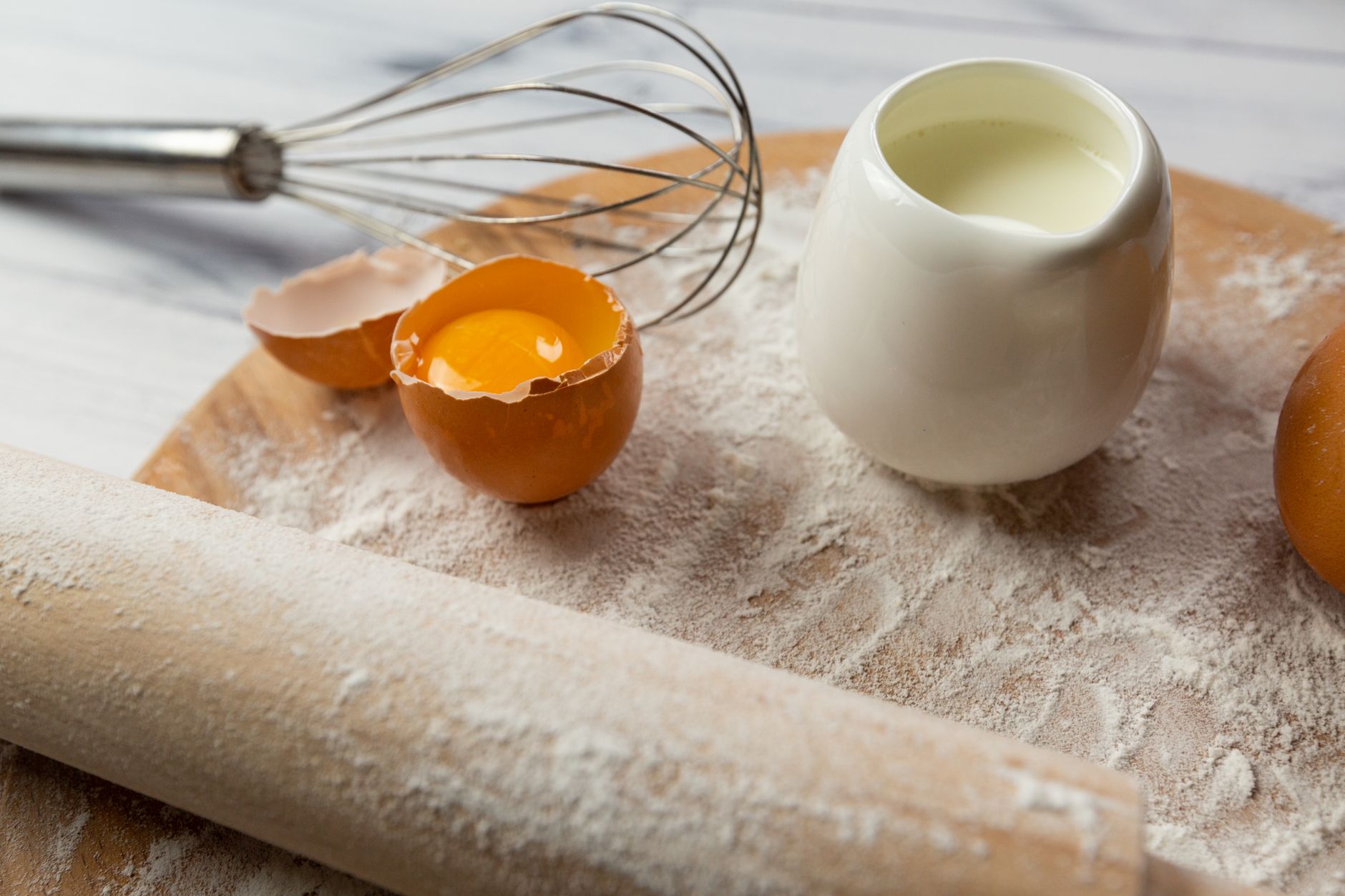
Evaporated milk is a shelf-stable diary product that has undergone a process of removing about 60% of its water content. This results in a thicker and creamier texture compared to regular milk. It’s versatile and can be used in a variety of culinary applications, from cooking to baking and making beverages.
Often confused with condensed milk, evaporated milk is unsweetened, making it a flexible ingredient for both savory and sweet dishes. Understanding evaporated milk’s characteristics, culinary uses, and potential substitutions can enhance your cooking endeavors.
What Is Evaporated Milk?
Evaporated milk is made by heating milk to evaporate some of the water. This process not only reduces volume but also concentrates the flavor. The result is a creamy, rich product that can be used in various recipes. Unlike condensed milk, evaporated milk is not sweetened, allowing for versatility in cooking.
Evaporated milk has a smooth texture and a slightly caramelized flavor due to the heating process. Notably, it is often sold in cans, making it a convenient pantry staple with a long shelf life. In this article, we will delve into its taste, texture, and different kitchen uses.
Taste and Texture of Evaporated Milk
The taste of evaporated milk is creamy and slightly sweet, with a mild, cooked flavor that can be likened to the taste of caramel. Its texture is thicker and creamier than that of regular milk, which lends itself well to various recipes. The concentration of milk solids enhances its richness, making it a desirable ingredient in both savory and sweet dishes.
When using evaporated milk in recipes, it can add a subtle depth of flavor and a velvety mouthfeel. It’s particularly popular for making creamy sauces, soups, and desserts. The consistency of evaporated milk is similar to that of half-and-half, making it a great substitute in many recipes.
Common Uses for Evaporated Milk in the Kitchen
Evaporated milk is a versatile ingredient that can be used in numerous ways. Here are some common applications:
- Baking: It can be used in cake batters, muffins, and other baked goods to provide moisture and richness.
- Cooking: Incorporate it into savory dishes like casseroles, mac and cheese, or creamy sauces for an extra layer of flavor.
- Desserts: It’s ideal for puddings, custards, and pies, providing a creamy texture without the added sweetness of condensed milk.
- Soups and Sauces: Use evaporated milk as a base for creamy soups or sauces, adding depth and richness.
- Drinks: It can be added to coffee, tea, or smoothies for creaminess without the sweetness of regular cream or milk.
How to Use Evaporated Milk
Incorporating evaporated milk into your recipes is quite simple. Here’s how to do it effectively:
- Substitution: Evaporated milk can often substitute for fresh milk in a recipe. Use the same amount of evaporated milk as you would fresh milk, but if the recipe calls for whole milk, you might want to dilute it with an equal part of water.
- In Baking: Mix evaporated milk with dry ingredients, or simply add it to wet ingredients in batters for cakes or muffins. Its richness will enhance the final texture.
- In Cooking: Pour evaporated milk directly into sauces and soups during the cooking process. Do so towards the end of cooking to prevent curdling.
- In Desserts: For creamy desserts, combine evaporated milk with sugar, eggs, or other ingredients as required by the recipe.
Practical Substitutions for Evaporated Milk
While evaporated milk is a unique ingredient, there are several alternatives you can use in case it’s not available or you prefer a different option:
- Regular Milk: Substitute evaporated milk with whole milk in equal amounts, but consider using slightly less to account for the lower richness and thickness.
- Condensed Milk: Use at a 1:1 ratio, but reduce sweeteners in the recipe as condensed milk is sweetened.
- Coconut Milk: This is a great non-dairy alternative; use it in equal amounts for a unique flavor twist.
- Heavy Cream: Mix with an equal part of water for a thick, creamy consistency similar to evaporated milk.
Common Mistakes When Using Evaporated Milk
To get the best results when using evaporated milk, be aware of these common mistakes:
- Not Diluting: When substituting evaporated milk for whole milk, not diluting it can lead to overly thick and rich dishes.
- High Heat Cooking: Cooking evaporated milk at too high of a temperature can cause curdling; always use moderate heat.
- Ignoring Shelf Life: Evaporated milk can spoil after opening; always refrigerate and use it within 3-5 days after opening.
Storage Tips for Evaporated Milk
Proper storage can ensure that your evaporated milk stays fresh and usable.
- Unopened Cans: Store in a cool, dry place away from direct sunlight. It can last for years when sealed.
- Opened Cans: After opening, transfer any unused evaporated milk to an airtight container and refrigerate. Consume within 3-5 days.
- Freezing: Evaporated milk can be frozen for up to 6 months. Pour it into a freezer-safe container and leave space for expansion.
Recipes Using Evaporated Milk
Here are a couple of delicious recipes to try out with evaporated milk:
Creamy Macaroni and Cheese
This creamy macaroni and cheese recipe uses evaporated milk to provide a rich, velvety sauce.
Yield: 6 servings
Preparation Time: 10 minutes
Cooking Time: 20 minutes
Total Time: 30 minutes
Ingredients
- 2 cups elbow macaroni
- 2 tablespoons butter
- 2 tablespoons all-purpose flour
- 2 cups evaporated milk
- 2 cups shredded cheddar cheese
- Salt and pepper to taste
Equipment
- Large pot
- Whisk
- Casserole dish
Method
- Cook macaroni according to package instructions; drain and set aside.
- In a large pot, melt butter over medium heat. Stir in flour and cook for 1 minute.
- Gradually whisk in evaporated milk, stirring constantly until the sauce thickens.
- Add cheese and stir until melted and well combined.
- Mix in the cooked macaroni and season with salt and pepper. Transfer to a greased casserole dish.
- Bake at 350°F (175°C) for 15 minutes until bubbly. Serve hot.
Rice Pudding with Evaporated Milk
This creamy rice pudding recipe uses evaporated milk, resulting in a rich dessert that’s perfect for any occasion.
Yield: 4 servings
Preparation Time: 5 minutes
Cooking Time: 30 minutes
Total Time: 35 minutes
Ingredients
- 1 cup Arborio rice
- 2 cups water
- 1 cup evaporated milk
- 1/2 cup sugar
- 1 teaspoon vanilla extract
- 1/2 teaspoon ground cinnamon
- Pinch of salt
Equipment
- Medium saucepan
- Spoon for stirring
Method
- In a medium saucepan, combine rice and water. Bring to a boil, then reduce to a simmer and cover for 20 minutes.
- Once the water is absorbed, add evaporated milk, sugar, vanilla extract, cinnamon, and salt. Stir well.
- Simmer uncovered for an additional 10 minutes, stirring frequently until creamy.
- Serve warm or chilled, garnished with a sprinkle of cinnamon if desired.
Conclusion
Evaporated milk is a versatile pantry staple that can elevate a wide range of dishes. Whether you are baking, cooking, or making desserts, it enriches flavors and textures remarkably well. Understanding its uses and how to incorporate it into your cooking will undoubtedly enhance your culinary creations.
For further inspiration, explore our cinnamon roll recipe with heavy cream and a delightful recipe for rice pudding that can both benefit from this creamy ingredient.