
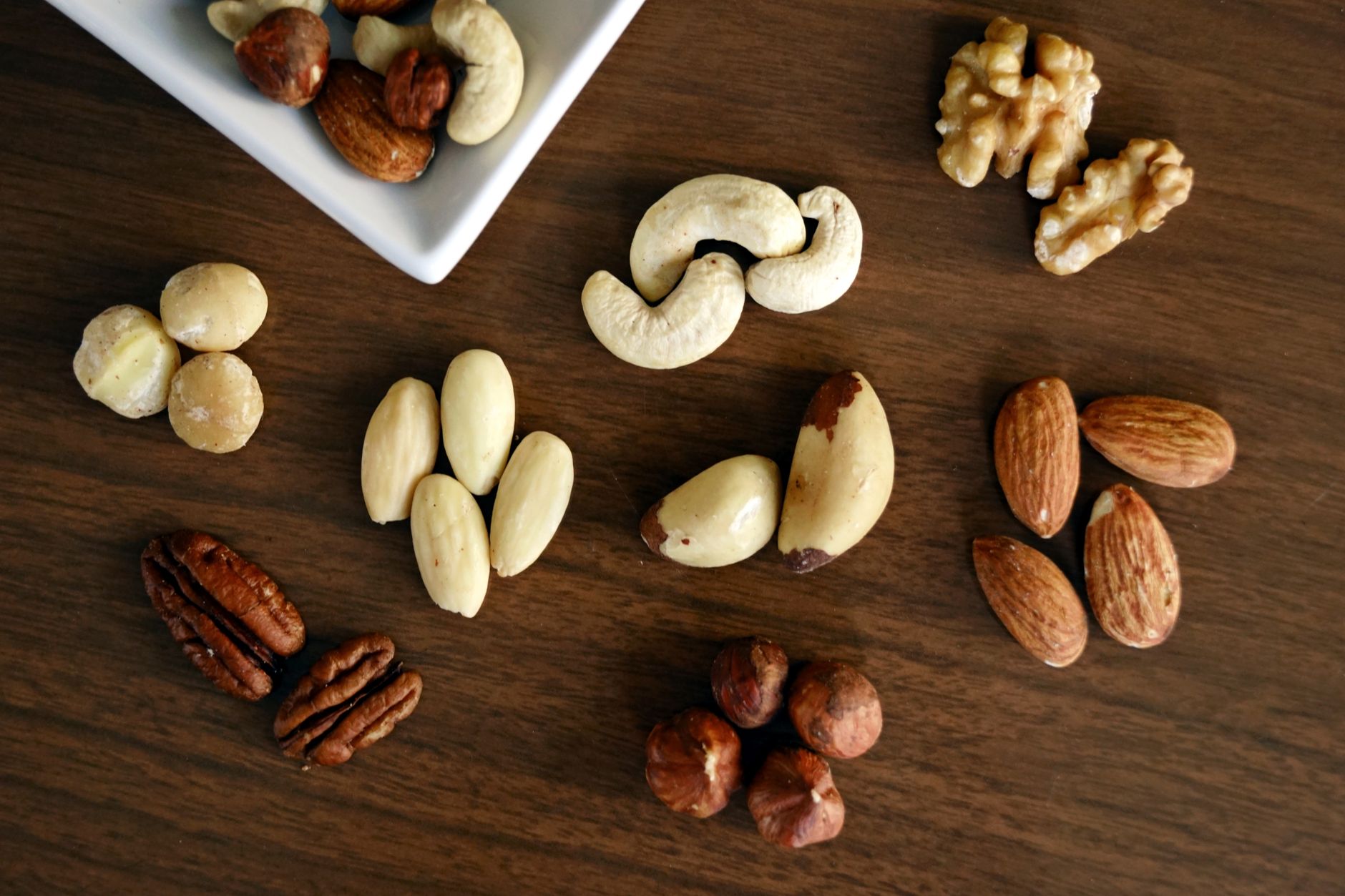
Nuts are a nutritious snack option for people with diabetes, offering a variety of health benefits without causing drastic spikes in blood sugar levels. With their rich source of healthy fats, proteins, and dietary fiber, certain nuts can support overall health in those managing diabetes.
This article will explore which nuts are best suited for diabetics, outlining their nutritional content, the benefits they provide, and practical tips for incorporating them into your diet.
What Kind of Nuts Are Good for Diabetics?
Several nuts can be beneficial for individuals with diabetes, including almonds, walnuts, pistachios, and cashews. These nuts are low in carbohydrates and high in healthy fats, making them ideal for stabilizing blood sugar levels while providing essential nutrients.
1. Almonds
Almonds are one of the best choices for diabetics. They are packed with nutrients, including vitamin E, magnesium, and fiber. Eating almonds has been linked to improved blood sugar control and may help reduce the risk of heart disease.
Nutritional Facts
- Calories: 7 calories per almond
- Carbohydrates: 2.5 grams
- Fiber: 1.5 grams
- Protein: 0.3 grams
- Fat: 0.6 grams (healthy monounsaturated fats)
- Vitamin E: 7.3 mg (37% of the daily value)
- Magnesium: 76 mg (19% of the daily value)
Benefits
The magnesium and fiber content in almonds contribute to better blood sugar management. Additionally, their healthy fats can help lower cholesterol levels and support heart health, which is crucial for diabetics.
How to Incorporate Almonds
- Snack on a handful of raw or roasted almonds.
- Top your yogurt or oatmeal with sliced almonds.
- Add them to salads for a crunchy texture.
- Use almond butter as a spread on whole-grain toast or fruit.
2. Walnuts
Walnuts are another excellent nut option for diabetics. They are rich in omega-3 fatty acids, which are known for their anti-inflammatory properties. This nut can also support heart health and improve blood vessels function.
Nutritional Facts
- Calories: 26 calories per walnut half
- Carbohydrates: 0.5 grams
- Fiber: 0.3 grams
- Protein: 0.6 grams
- Fat: 2.6 grams (primarily polyunsaturated fats)
- Omega-3 Fatty Acids: 2,570 mg per ounce
Benefits
The polyunsaturated fats found in walnuts can help regulate cholesterol levels and reduce inflammation throughout the body. These nuts can also encourage satiety and help with weight management, which is important for diabetic individuals.
How to Incorporate Walnuts
- Mix walnuts into your breakfast oatmeal or smoothie.
- Add chopped walnuts to baked goods like muffins or breads.
- Top a mixed greens salad with walnuts for added texture.
- Snack on walnuts for a quick energy boost.
3. Pistachios
Pistachios are a tasty and nutritious nut choice for those living with diabetes. They are lower in calories than many other nuts and offer a good balance of protein and fiber.
Nutritional Facts
- Calories: 28 calories per pistachio
- Carbohydrates: 1.3 grams
- Fiber: 0.5 grams
- Protein: 1 gram
- Fat: 2.3 grams (mostly healthy fats)
Benefits
Research suggests that pistachios can help lower blood sugar levels and improve lipid profiles in diabetics. Their nutrient density promotes heart health and provides a satisfying snack without excessive calories.
How to Incorporate Pistachios
- Enjoy them as a crunchy snack by themselves or mixed with other nuts.
- Sprinkle pistachios over salads or grain bowls.
- Use them in homemade granola or energy bars.
- Blend pistachios into pesto for a flavorful sauce.
4. Cashews
Cashews are a softer nut that offers a creamy flavor and texture to many dishes. They are rich in essential minerals like copper, phosphorus, and magnesium, and provide good dietary fat.
Nutritional Facts
- Calories: 9 calories per cashew
- Carbohydrates: 1.6 grams
- Fiber: 0.5 grams
- Protein: 0.3 grams
- Fat: 0.8 grams (predominantly monounsaturated fats)
Benefits
Though cashews are slightly higher in carbohydrates than other nuts, their nutrient profile makes them worthwhile. They can aid in managing weight, which is crucial for diabetes care, and their magnesium content can help support insulin sensitivity.
How to Incorporate Cashews
- Add cashews to stir-fried dishes for added crunch.
- Blend cashews to make creamy sauces or soups.
- Utilize in homemade nut milk or vegan cheese recipes.
- Snack on roasted cashews for a satisfying treat.
5. Peanuts
Peanuts, while technically legumes, are often included in the nut category and provide various health benefits. They are high in protein and folate, making them a filling snack option.
Nutritional Facts
- Calories: 5.7 calories per peanut
- Carbohydrates: 1.8 grams
- Fiber: 0.5 grams
- Protein: 0.2 grams
- Fat: 0.5 grams
Benefits
Peanuts can help improve heart health and offer high levels of monounsaturated fats. They may support healthy weight management by promoting a feeling of fullness and satisfaction.
How to Incorporate Peanuts
- Snack on roasted or boiled peanuts for a protein boost.
- Use peanut butter in smoothies or as a toast spread.
- Add peanuts to salads for extra crunch and flavor.
- Incorporate peanuts into stir-fries or Asian-inspired dishes.
General Tips for Consuming Nuts as a Diabetic
While nuts can provide numerous health benefits, moderation is key. Here are some tips for incorporating them wisely into your diet:
- Portion Control: Nuts are energy-dense, so keeping portion sizes small is crucial. A serving size is typically one ounce (about 28 grams).
- Choose Unsalted: Opt for unsalted nuts to avoid excess sodium intake, which may affect blood pressure.
- Go for Variety: Include a range of nuts in your diet to benefit from their different nutrient profiles.
- Pay Attention to Additives: Read labels carefully to avoid nuts coated in sugar, chocolate, or unhealthy oils.
- Monitor Blood Sugar: Keep track of your blood sugar levels after consuming nuts to see how they affect your individual response.
Common Mistakes When Eating Nuts
When incorporating nuts into a diabetic diet, some common mistakes can undermine their health benefits:
- Overeating: Eating nuts mindlessly can lead to excessive calorie consumption; stick to recommended serving sizes.
- Not accounting for them in meals: Remember to factor nuts into your overall carbohydrate and calorie intake for the day.
- Skip Other Nutrients: Don’t rely on nuts alone; ensure you have a balanced diet with plenty of vegetables, fruits, and whole grains.
Final Thoughts
Nuts are a fantastic addition to a diabetic diet when consumed in moderation. They not only provide essential nutrients and healthy fats but also promote overall well-being. Almonds, walnuts, pistachios, cashews, and peanuts can all be beneficial choices.
Remember to incorporate these nuts wisely into your meals and snacks, paying attention to portion sizes and dietary balance. A diverse range of nuts not only aids in satisfying cravings but also supports blood sugar control and heart health.
For those looking to dive deeper into the benefits of specific nuts, consider reading about the health advantages of walnuts or trying a delicious candied walnuts recipe to enjoy as a snack or topping. A little creativity can make healthy eating not only nutritious but enjoyable!
Explore related recipes, cooking tips, or food guides such as what are walnuts good for or a candied walnuts recipe to enhance your culinary experience.